









Hanoi: The search for missing pets in Vietnam is increasingly taking owners to roadside markets and slaughterhouses, where stolen cats and dogs are reportedly sold for meat. Police have arrested scores of suspected pet thieves this year, accused of stealing thousands of animals across the country.
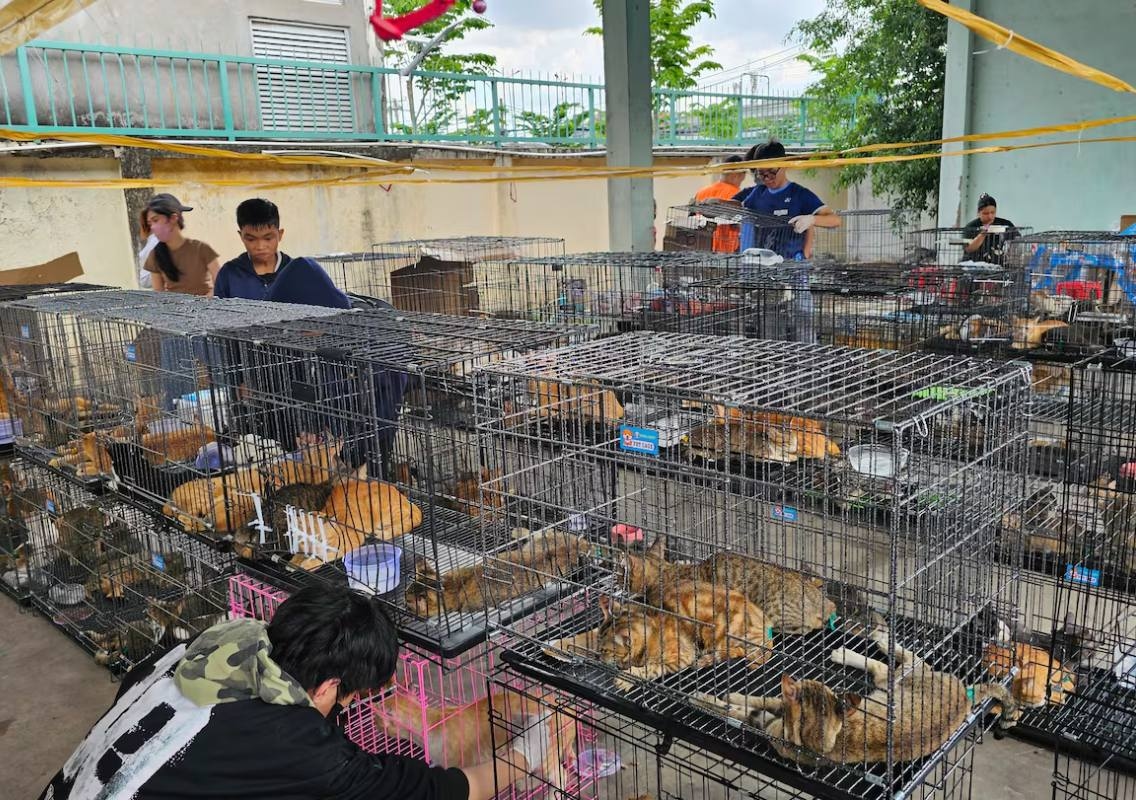
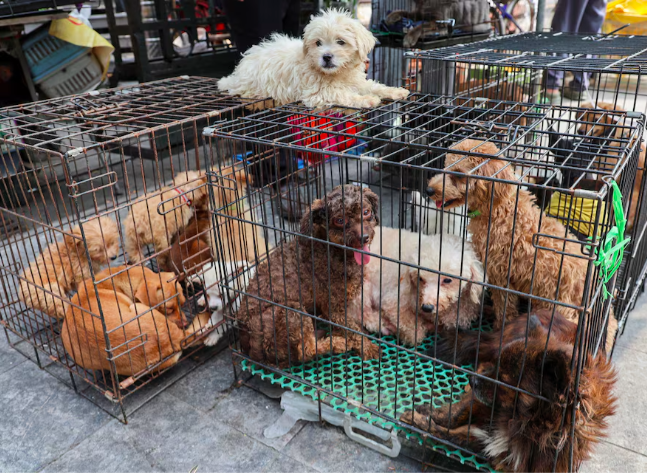
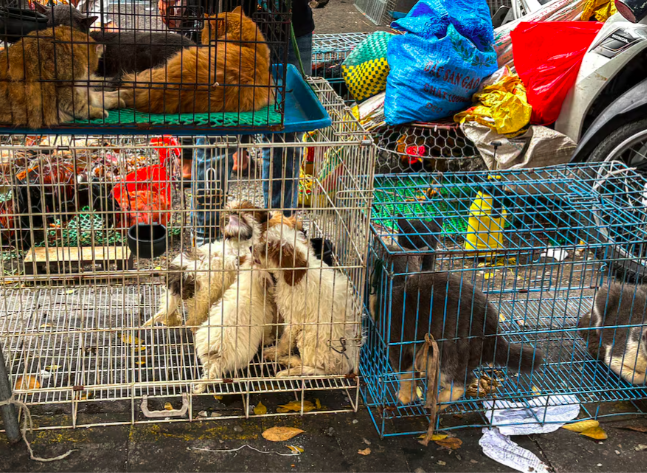
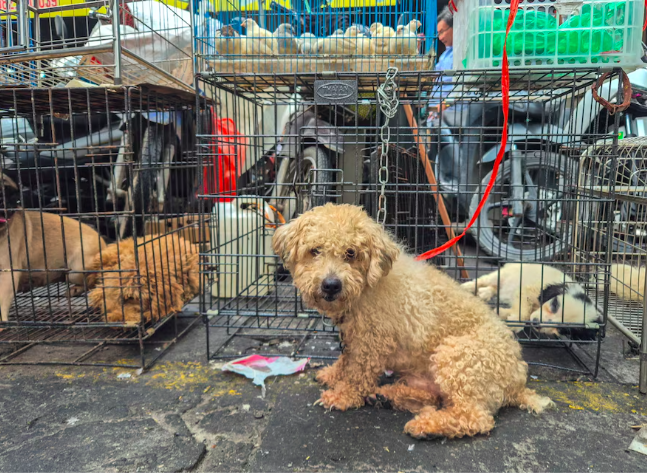
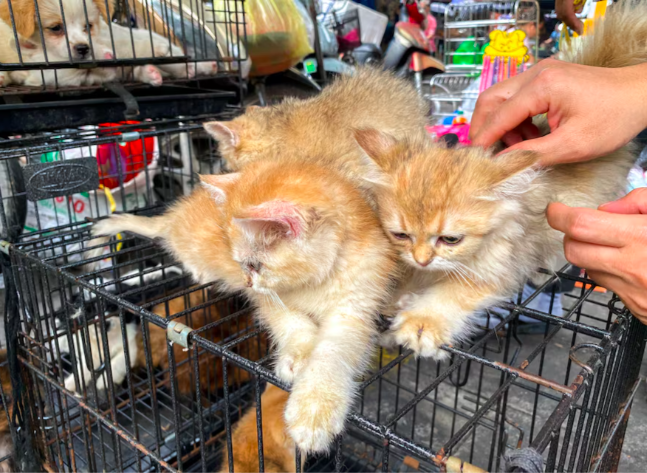
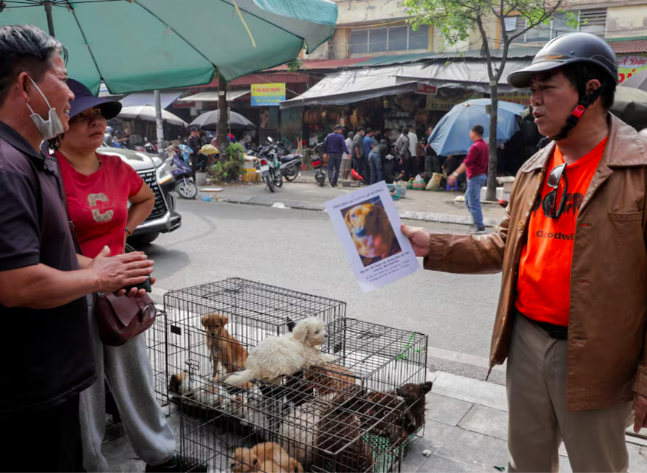
At a roadside market on the outskirts of Hanoi, Kieu Minh Phuong, a 40-year-old ceramics trader, continues searching for his missing nine-year-old calico cat, Dom. The market is filled with cages holding cats, dogs, rabbits and fighting roosters, with animals destined either for sale as pets or for slaughter.
Phuong said he began visiting such markets after seeing posts on Facebook groups about owners recovering missing pets from similar locations. He suspects Dom was stolen after she disappeared, noting that several neighbours also lost their pets on the same night.
The growing number of thefts highlights the intersection of Vietnam’s longstanding dog and cat meat trade with changing attitudes towards animals, particularly among younger generations who increasingly regard them as family companions.
Pet theft rings target cats and dogs
Vietnamese police have reported detaining scores of suspected pet thieves this year, with allegations involving the theft of thousands of cats and dogs intended for the meat trade.
Although stealing animals is a criminal offence, the trade, sale and consumption of dog and cat meat remain legal in Vietnam.
There is no nationwide database tracking pet thefts, but police-run publications have reported several major arrests in recent months. In October, Ho Chi Minh City police arrested 12 people accused of stealing 2,700 cats destined for slaughter. In April, Hanoi police arrested five suspects over the theft of more than 300 cats.
According to police reports, theft gangs often operate late at night, travelling on motorcycles and carrying sacks, duct tape and improvised weapons, including stun guns, to capture and subdue animals.
Hanoi police did not respond to requests for information on pet thefts or comment on the reported incidents.
Changing attitudes towards dog and cat meat
The thefts reflect a broader cultural shift in Vietnam, a country of around 100 million people, where attitudes towards dogs and cats are increasingly divided along generational lines.
Younger Vietnamese are more likely to keep dogs and cats as household pets, while some older residents continue to consume the meat as part of longstanding culinary traditions.
Despite growing opposition, dog and cat meat remains available at eateries and street stalls in several parts of the country. Roasted dogs can still be seen at some stalls in Hanoi.
The rising number of households keeping pets has also created more opportunities for thieves, who can sell stolen animals into an established meat trade.
Prices vary depending on the animal. According to police reports, live dogs fetch approximately $1.50 per kilogram, while cats can sell for nearly $5 per kilogram. Vietnam’s minimum wage ranges between $0.69 and $0.99 per hour.
Tran Thanh, a 50-year-old truck driver from Haiphong, said cat meat remains popular among some working-class consumers, particularly older people.
He said a group of around six people could share a cat-meat hot pot for approximately $23, adding that some consumers prefer it alongside rice wine.
The consumption of dog and cat meat has a long history in Vietnam, with some people believing it can improve vitality or help ward off bad luck.
Animal slaughter numbers and declining demand
Although official figures on the size of the dog and cat meat industry are unavailable, animal welfare organisation Four Paws International estimated in a 2020 report that more than five million dogs and one million cats were slaughtered annually in Vietnam.
However, changing public attitudes and declining demand have affected the industry over the years.
Tran Huu Thanh, a 70-year-old former dog meat restaurant owner, said he closed his business in 2019 after sales fell significantly.
He said younger people increasingly keep dogs indoors and treat them as members of their families, reflecting a shift in attitudes towards animal companionship.
Hanoi’s municipal government has also sought to discourage the consumption of dog and cat meat. In 2018, authorities urged residents to stop eating the animals, warning that the practice damaged the city’s image and could contribute to the spread of rabies.
Last year, the city launched a pilot initiative encouraging dog and cat meat traders to transition into other occupations through vocational training.
Vietnam Investment Review, a publication run by the country’s finance ministry, reported this week that 28 businesses had moved away from the trade after a year of the programme.
Wet markets remain a challenge for authorities
Despite legal requirements for vendors to provide proof of the animals’ origins, enforcement remains a concern.
At a wet market visited by Reuters in Hanoi, three of the five stall operators approached said they did not know where the animals they sold had come from. All declined to provide their names.
Neither Hanoi’s municipal government nor police respond for comment.
The situation has also placed pressure on animal rescue organisations attempting to recover stolen and abandoned pets.
Rescue centres struggle to save stolen animals
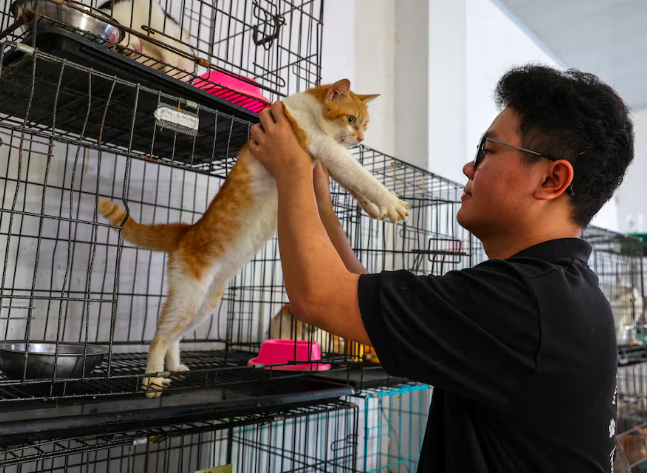
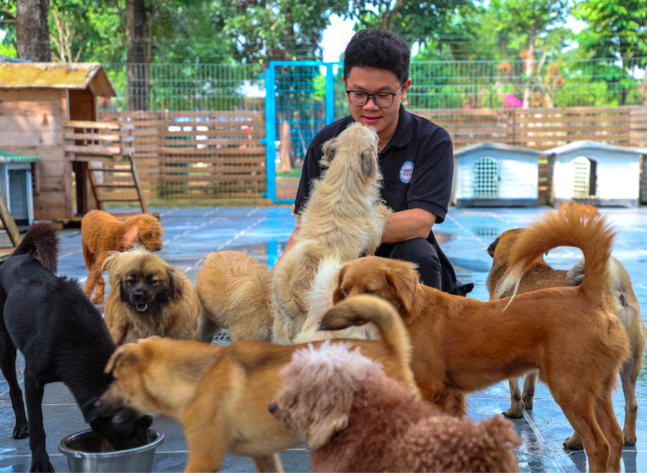
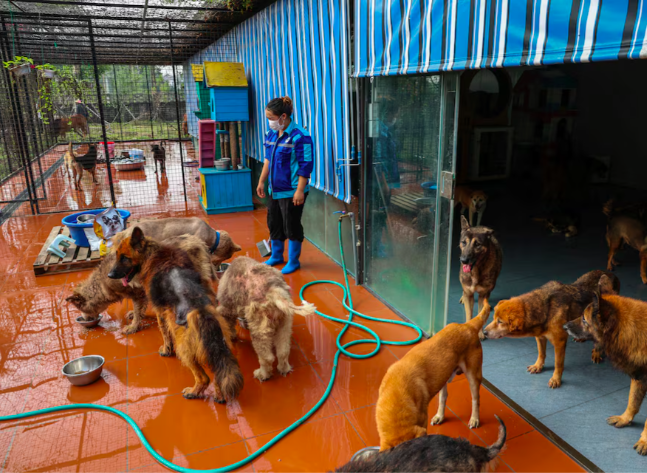
The SNNC Dog and Cat Rescue Center, described as Hanoi’s largest sanctuary for abandoned and stolen pets, occasionally receives calls from people reporting animals being transported to slaughterhouses.
Rescue workers sometimes intervene by purchasing animals for more than what traders could earn from selling them for meat, said Phan Trung Thanh, the centre’s communications manager and a volunteer.
However, the organisation has been forced to limit its rescue operations because of financial constraints. It currently houses around 1,400 animals and lacks the resources to accommodate many more.
Meanwhile, Phuong has still not recovered Dom, a month after the cat went missing.
He continues to monitor online groups and websites where people post pictures of missing animals and sometimes seek payment for their return.
For Phuong, the loss is more than the disappearance of a pet.
“Dom was my emotional support,” he said. “The house is empty without her.”