







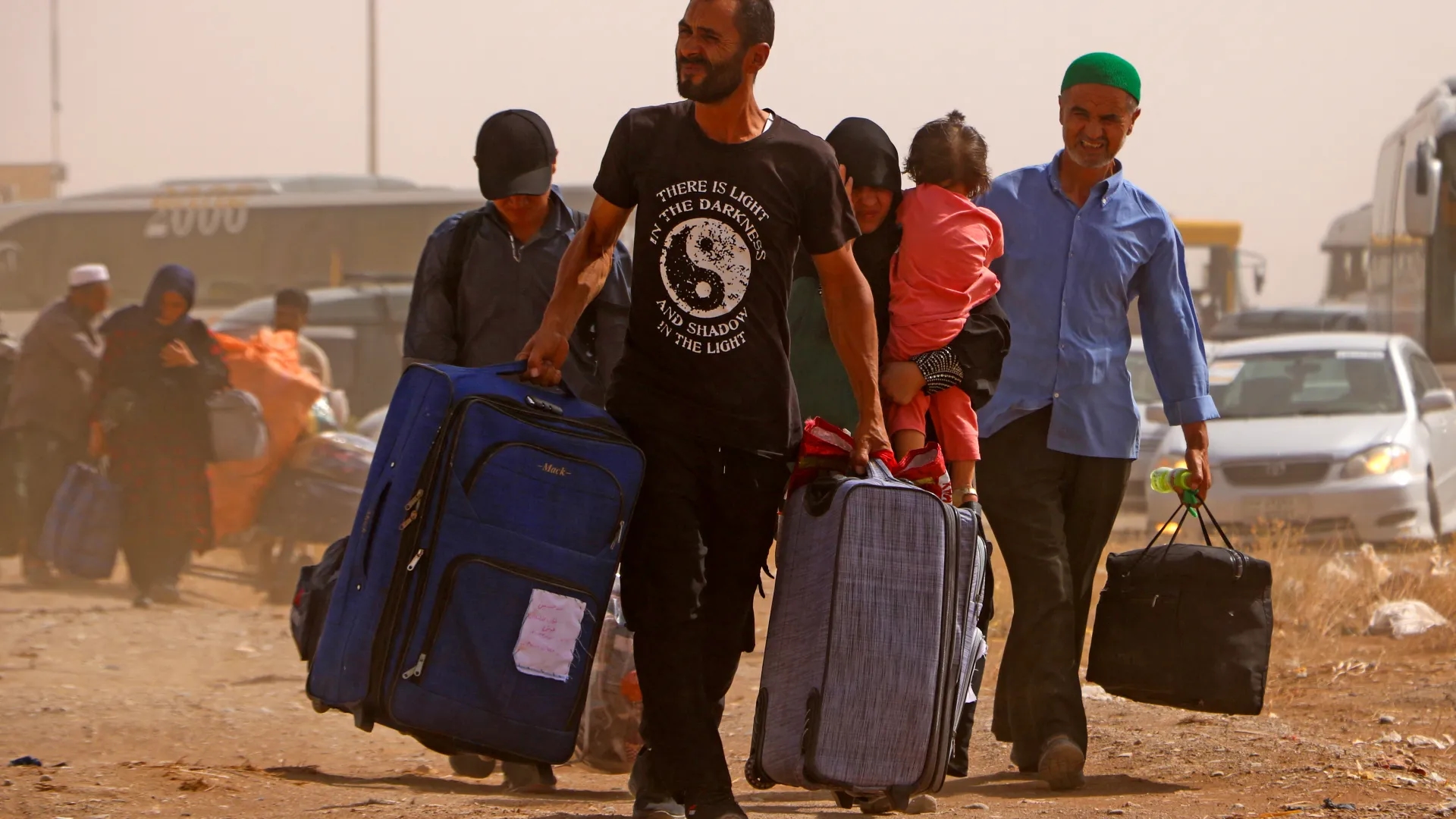


Under a single dim bulb in a makeshift tent on the outskirts of Kabul, 55-year-old Samiullah shares dry bread and tea with his wife, five children and a three-month-old grandchild — their only meal of the day. Recently deported from Iran, the family is among millions of Afghans pushed back into a country battling hunger, unemployment and dwindling aid.
“We have reached a point where we are content with death,” Samiullah said, describing how his family lost their home, savings and livelihood almost overnight after being detained and deported. “At least our children’s lives should be better.”
According to the World Food Programme, Iran and Pakistan have expelled more than 2.5 million Afghans over the past year. The sudden return of migrants has increased Afghanistan’s population by nearly a tenth, while international aid has sharply declined.
Hunger deepens as aid shrinks
The WFP estimates that 17 million people in Afghanistan are facing acute hunger, with 3 million more pushed into food insecurity following the loss of remittances sent by Afghans working abroad. “Those remittances were a lifeline,” said WFP Afghanistan director John Aylieff, warning that 2026 could see 200,000 more children suffer acute malnutrition.
Aid agencies say funding cuts — intensified after Donald Trump returned to the White House — have forced reductions in food and health programmes, leaving millions vulnerable.
Clinics overwhelmed, winters harsher
At clinics in Kabul and aid centres in Bamiyan, queues stretch long as supplies run thin. Doctors report a sharp rise in malnutrition cases, particularly among children from recently deported families. “Patients have doubled, but supplements are not enough,” said one physician.
Afghan authorities say assistance is being provided where possible, but acknowledge decades of conflict have hollowed out the economy. For families like Samiullah’s, winter brings fear. “My children say they are freezing,” he said. “What choice do we have?”