







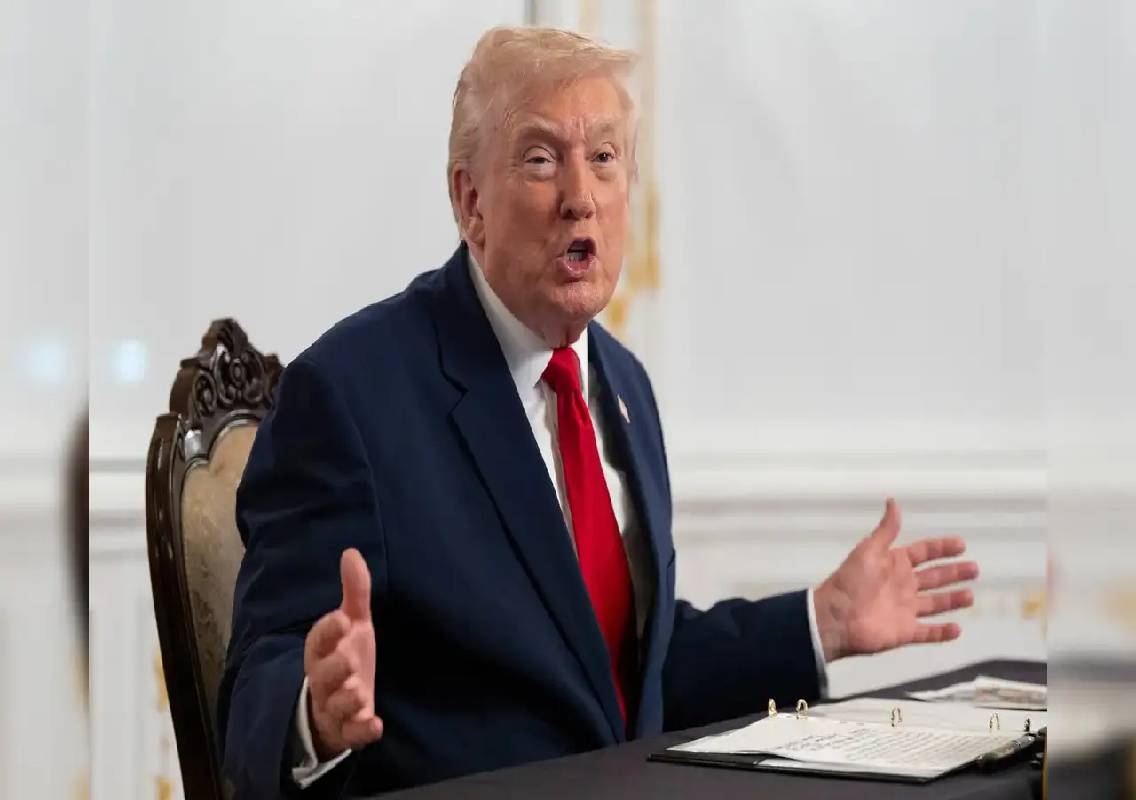


Washington: After 13 consecutive days of airstrikes against Iran, US President Donald Trump ordered a pause in military operations, marking a significant shift in Washington’s approach to the escalating conflict. While the White House has not described the move as a ceasefire, reports suggest the decision was influenced by a combination of military, diplomatic and political considerations, even as the United States continues to maintain pressure on Tehran through its naval blockade and regional deployments.
The temporary halt has fuelled speculation over whether the Trump administration is preparing for negotiations or merely recalibrating its military strategy. Here is a closer look at why the strikes were paused after nearly two weeks of sustained attacks.
Concerns over dwindling military resources
One of the key reasons cited in reports is the growing concern within the Pentagon over the depletion of critical precision-guided munitions and air defence interceptors.
According to reports, senior military officials warned the White House that maintaining nightly strikes at the existing pace could strain American stockpiles, particularly at a time when the US continues to support allies across multiple regions. Advisers reportedly recommended slowing the campaign while preserving military readiness for any future escalation.
Diplomatic efforts gain momentum
The pause also coincided with renewed diplomatic activity involving regional mediators.
An Omani delegation reportedly travelled to Tehran as efforts intensified to find a negotiated solution to the conflict, particularly over the Strait of Hormuz. The diplomatic push aims to reduce tensions, restore maritime security and reopen one of the world’s most critical energy corridors.
The Trump administration is said to have viewed the temporary suspension of strikes as an opportunity to test whether diplomacy could achieve progress without immediately expanding military operations.
Economic pressures remain a factor
The prolonged conflict has disrupted global energy markets and contributed to higher oil prices.
With shipping through the Strait of Hormuz remaining severely affected, concerns have grown over inflationary pressures and the broader impact on the global economy. Reports suggest economic advisers warned that continued escalation could further increase fuel prices and create additional pressure on American consumers and businesses.
Regional security challenges continue
Although US airstrikes have paused, tensions across the Middle East remain high.
Iran-backed Houthi forces have continued launching attacks on Saudi infrastructure, while fighting has intensified in parts of the Red Sea region. The United States has maintained its naval presence and blockade around Iranian ports, signalling that the pause in bombing does not represent a broader withdrawal of military pressure.
No indication the conflict is over
Officials have emphasised that the pause should not be interpreted as the end of military operations.
Reports indicate that President Trump retains the option of resuming strikes if diplomatic efforts fail or if Iran escalates attacks against US forces, commercial shipping or regional allies. Military planners reportedly continue to prepare strike options while monitoring developments on the ground.
Netanyahu meeting adds to speculation
The pause comes ahead of an expected meeting between President Trump and Israeli Prime Minister Benjamin Netanyahu.
The talks are likely to focus on the future course of the conflict, regional security and diplomatic efforts aimed at reopening the Strait of Hormuz. Observers believe the outcome of these discussions could influence whether the current military pause evolves into a longer-term strategy or gives way to renewed strikes.
Conclusion
President Donald Trump’s decision to pause US airstrikes against Iran after 13 consecutive days appears to reflect a combination of military caution, diplomatic opportunity and economic considerations rather than a definitive end to the conflict. While the temporary halt has created space for negotiations, officials have made it clear that the United States remains prepared to resume military action should the security situation deteriorate or diplomatic efforts fail.