







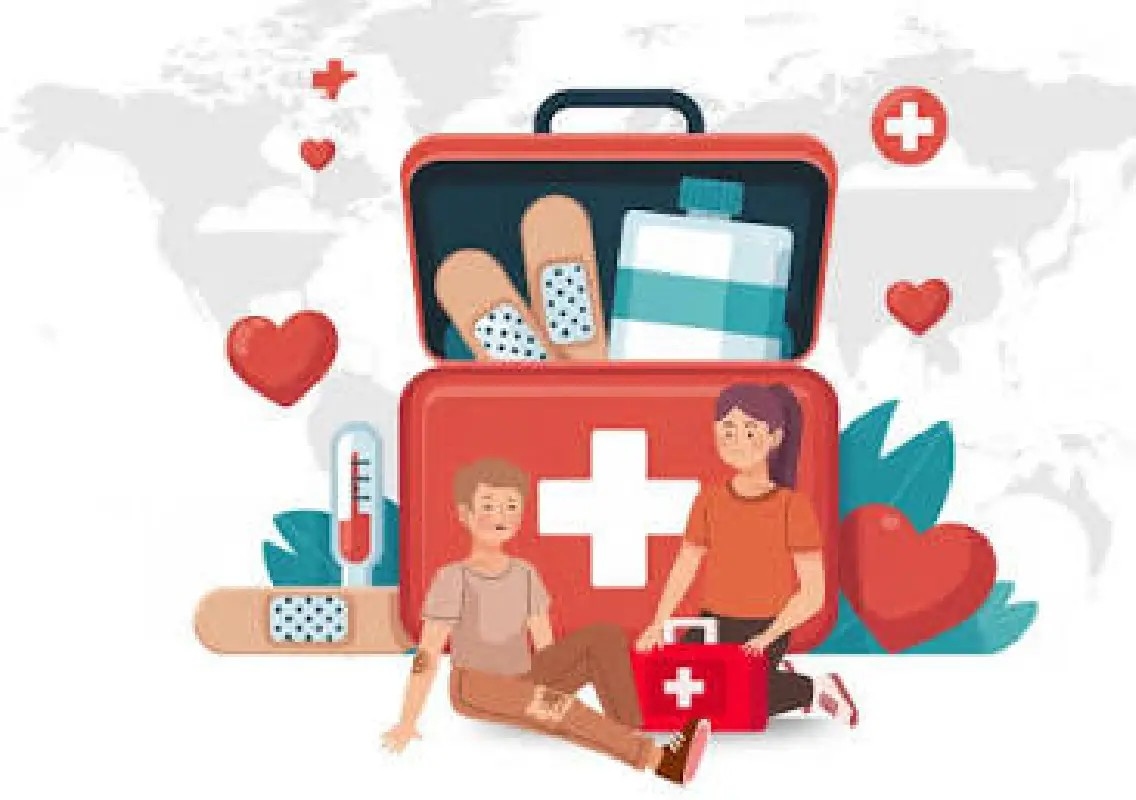


Kathmandu : World First Aid Day is being observed on Saturday with the theme ‘First Aid in the Context of Migration’, drawing attention to the particular difficulties faced by people who move within or across countries. The annual observance falls on the second Saturday of September and promotes life-saving knowledge that can help people respond during emergencies.
The Nepal Red Cross Society has highlighted the risks migrants can encounter during different stages of their journey, including limited access to healthcare, unfamiliar surroundings, language barriers, unsafe routes and inadequate first-aid knowledge.
Migrants face multiple risks
Migration can expose people to dehydration, hypothermia, malnutrition, exhaustion, traumatic injuries and drowning. Migrants may also experience unsafe working conditions, violence, psychological distress and other forms of physical and emotional hardship.
In such situations, basic first-aid skills can make an important difference by allowing immediate assistance to people who are injured or unwell while they await professional medical care.
The International Federation of Red Cross and Red Crescent Societies is also highlighting the theme through its 2026 World First Aid Day campaign, ‘On the move, but not alone’, reinforcing the importance of ensuring that people on the move can access timely humanitarian support.
A call for wider first-aid access
The Nepal Red Cross Society has called for broader first-aid training and services, including cooperation with government agencies, security forces, United Nations bodies, diplomatic missions and other organisations.
The organisation is also promoting the goal of having at least one trained first-aider in every household.
The message comes at a time when emergencies, disasters and displacement continue to demonstrate how crucial rapid humanitarian assistance can be. Recent flooding in Nepal has further underlined the importance of trained volunteers and emergency responders.
World First Aid Day ultimately serves as a reminder that first aid is not only a medical skill but also a humanitarian tool that can empower ordinary people to protect lives during the crucial minutes before professional help arrives.