







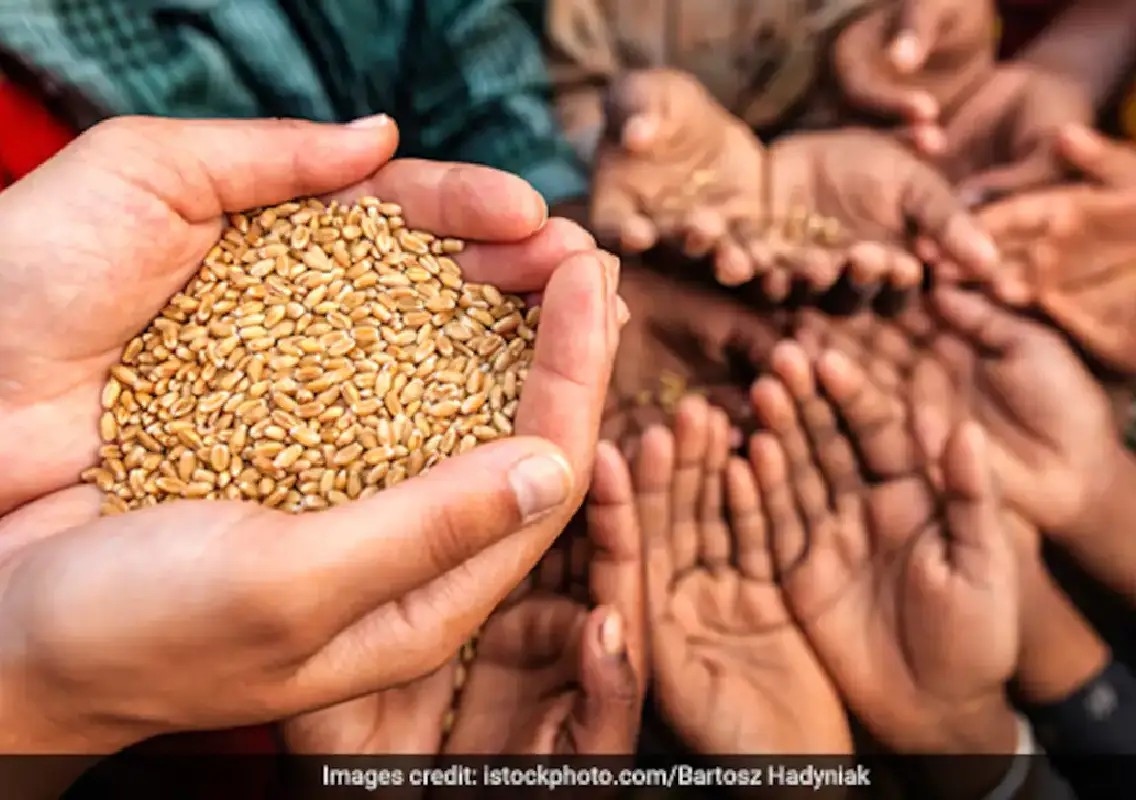


World Hunger Day is being observed across the globe on May 28 with renewed calls for collective action to eliminate hunger and food insecurity. The day highlights that hunger is not unavoidable but a challenge created by systems that can be changed through sustainable and community-driven solutions.
Founded in 2011 by The Hunger Project, World Hunger Day has grown into a major global awareness movement bringing together governments, organisations, farmers, students, activists and communities.
Hunger still affects millions worldwide
According to global food security reports, nearly 673 million people continue to face chronic hunger worldwide, while billions are unable to afford healthy diets. Rising food prices, climate change, conflicts and economic instability continue to impact food systems across several countries.
Experts say hunger is closely linked to poverty, inequality and environmental challenges. However, local communities and organisations across the world are already showing that change is possible through sustainable farming, women-led governance, youth innovation and stronger food systems.
Theme focuses on collective action
This year’s campaign encourages people to recognise that the fight against hunger is “in our hands”. The initiative highlights everyday contributions such as farming, cooking, teaching, volunteering and supporting local food systems.
People are being encouraged to participate in awareness activities through the #InOurHands campaign by sharing photos and videos of actions that support communities and sustainable living.
Community walls, food donation drives, zero-food-waste campaigns and local farming initiatives are also being organised in several places to mark the occasion.
A reminder of shared responsibility
World Hunger Day serves as a reminder that ending hunger requires cooperation between governments, communities, businesses and individuals. Organisers stress that investing in local leadership and sustainable development can help create long-term food security.
The observance also calls attention to the importance of reducing food waste, supporting farmers and ensuring access to nutritious food for vulnerable populations.