









India: TVS Motor Company has expanded its electric two-wheeler portfolio and manufacturing ecosystem as India’s PM E-DRIVE scheme has helped accelerate electric vehicle adoption. According to data presented by TVS at an industry dialogue hosted by the International Centre for Automotive Technology (ICAT), 26.39 lakh electric two-wheelers had been registered under the scheme as of September 17, 2026.
The figure represented about 91% of the 28.86 lakh Vahan-linked electric vehicles across the segments supported by PM E-DRIVE at the time, highlighting the significant contribution of electric two-wheelers to the scheme’s overall adoption.
PM E-DRIVE creates demand for electric vehicles
The PM E-DRIVE scheme was introduced to encourage electric mobility through consumer incentives as well as support for charging infrastructure, electric buses and testing facilities.
The scheme currently has an outlay of Rs 11,900 crore and has been extended until March 31, 2028. It includes Rs 4,391 crore for 14,028 electric buses and Rs 2,000 crore for public charging infrastructure.
For electric two-wheelers, incentives have helped reduce the upfront purchase cost for eligible consumers. The government has also used a buyer-linked e-voucher mechanism under the scheme, with manufacturers receiving reimbursement for eligible incentives.
The Ministry of Heavy Industries said in February 2026 that Rs 1,772 crore had been earmarked to incentivise 24,79,120 electric two-wheelers registered between April 1, 2024 and March 31, 2026.
The scheme also requires eligible manufacturers to comply with a Phased Manufacturing Programme, encouraging progressive localisation of specified EV components.
TVS expands its electric portfolio
TVS Motor has used the growing electric two-wheeler market to expand its product range.
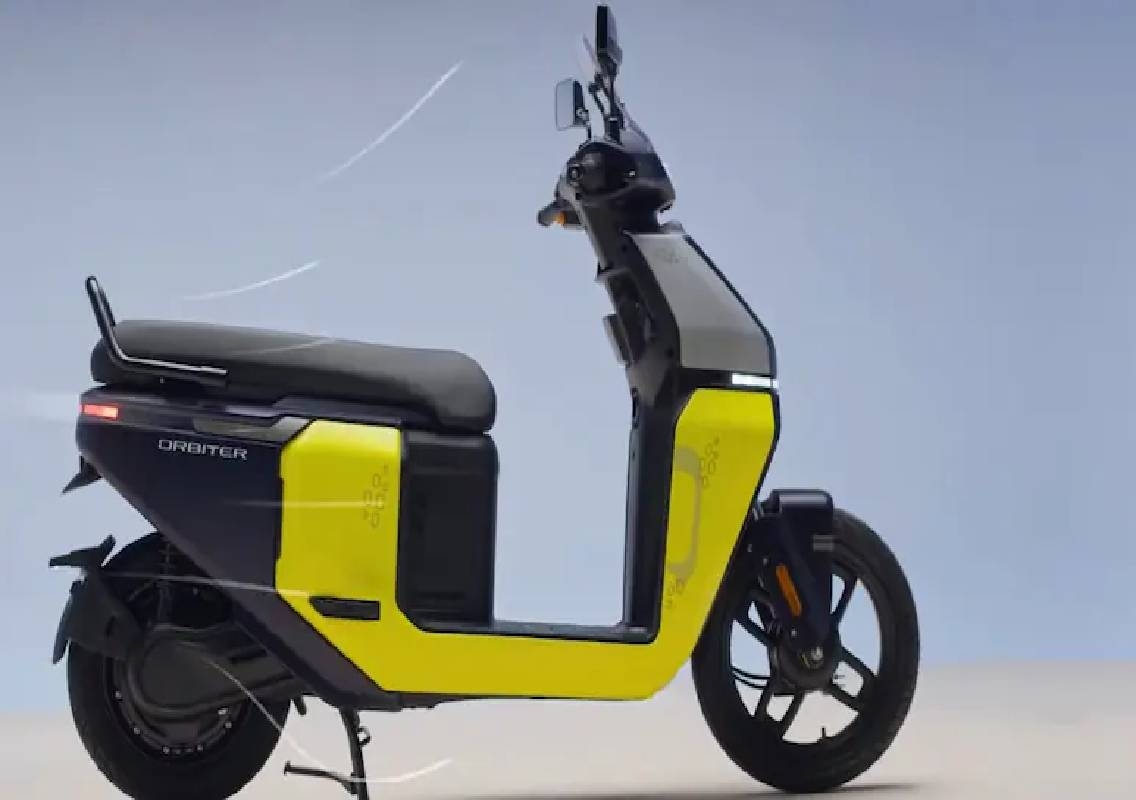
The company told the ICAT industry dialogue that it had launched 10 electric products across electric two- and three-wheeler categories. Its electric two-wheeler portfolio includes models from the iQube and Orbiter families, while its commercial EV range includes products such as the TVS King EV Max and King Kargo HD EV.
TVS said it delivered 3.71 lakh electric two-wheelers during FY2025-26. Its EV distribution network had grown to more than 1,000 EV dealers, supported by approximately 5,000 public charging points.
The company also reached a production milestone in June 2026 when its Hosur facility manufactured its one-millionth iQube.
EV sales continue to grow
TVS’s sales numbers show the expansion of its electric business.
In June 2026, the company reported electric two-wheeler sales of 48,537 units, compared with 14,400 units in June 2025. This represented substantial year-on-year growth during the month.
For the first quarter of FY2026-27, TVS reported 1.30 lakh electric two-wheeler sales, its highest quarterly EV sales at that time. Overall two-wheeler sales stood at 15.64 lakh during the quarter.
The company’s annual report had also noted that India’s electric two-wheeler retail market reached 11.4 lakh units in FY2024-25, with EV two-wheelers accounting for an average 6.8% penetration.
Focus shifts towards localisation
TVS has also been developing in-house EV technology rather than relying entirely on external suppliers.
The company has highlighted capabilities covering traction battery packs, traction motors, battery management systems, vehicle control units and motor control units.
Localisation is also an important part of the PM E-DRIVE framework. The government requires manufacturers seeking scheme benefits to comply with the Phased Manufacturing Programme, which aims to strengthen domestic production of EV components.
TVS reported Rs 1,024.95 crore in research and development investment during FY2024-25 and has identified technology localisation and supply-chain development as important areas for its electric mobility strategy.
Charging infrastructure remains important
While incentives can reduce the initial cost of an electric vehicle, the availability and reliability of charging infrastructure remain important to wider adoption.
The PM E-DRIVE scheme therefore combines consumer support with investment in public charging infrastructure. The government has allocated Rs 2,000 crore towards public EV charging infrastructure under the scheme.
TVS has suggested improving charging reliability and utilisation as one of the priorities for the next phase of electric mobility growth.
The company has also highlighted the need for greater domestic value addition in areas such as battery cells, motors, power electronics, battery management systems and recycling.
What happens as subsidies reduce?
The expansion of electric two-wheelers has so far been supported by government incentives, but the industry is increasingly looking at how EV demand can become sustainable beyond direct purchase incentives.
The government has progressively revised incentive structures under PM E-DRIVE. For example, electric two-wheelers registered until July 31, 2026 were eligible for incentives under the revised timeline announced earlier this year.
TVS’s presentation argued that the next phase should focus on factors including total cost of ownership, charging utilisation, localisation, lifecycle emissions and export competitiveness.
For manufacturers, the objective is therefore shifting from simply increasing EV sales to building a broader ecosystem covering products, manufacturing capacity, technology, distribution and charging infrastructure.
TVS continues to expand EV manufacturing
The company’s broader sales performance also reflects increasing scale. TVS reported 16.31 lakh total vehicle sales in the first quarter of FY2026-27, including 15.64 lakh two-wheelers and 1.30 lakh electric two-wheelers.
The company has continued to expand its EV portfolio alongside its conventional petrol-powered motorcycles and scooters.
This multi-powertrain strategy allows TVS to cater to different customer requirements while continuing to develop its electric mobility business.
Conclusion
PM E-DRIVE has played a role in expanding India’s electric two-wheeler market through purchase incentives, manufacturing requirements and infrastructure support. TVS has responded by expanding its EV portfolio, dealer network, charging ecosystem and in-house technology capabilities. With 26.39 lakh electric two-wheelers registered under the scheme by September 17, 2026, the next phase of India’s EV transition will increasingly focus on charging infrastructure, localisation, costs and demand beyond incentives.