




NEW DELHI: Hyundai Motor India’s upcoming Bayon SUV has started arriving at dealership stockyards ahead of its official launch on October 26, 2026. The first India-spec units have been spotted being unloaded from transporters, signalling that preparations are underway for the model’s market introduction.
The new SUV was unveiled in India on October 12 and is positioned between the Hyundai Venue and Creta in the company’s portfolio. With bookings already open, the Bayon is expected to attract buyers looking for a technology-focused SUV with a petrol engine and modern cabin features.
Hyundai has announced a booking amount of Rs 11,000 through its official website and authorised dealerships. Prices and the complete variant-wise feature list are expected to be announced at launch.
Hyundai Bayon: What the dealership sighting reveals
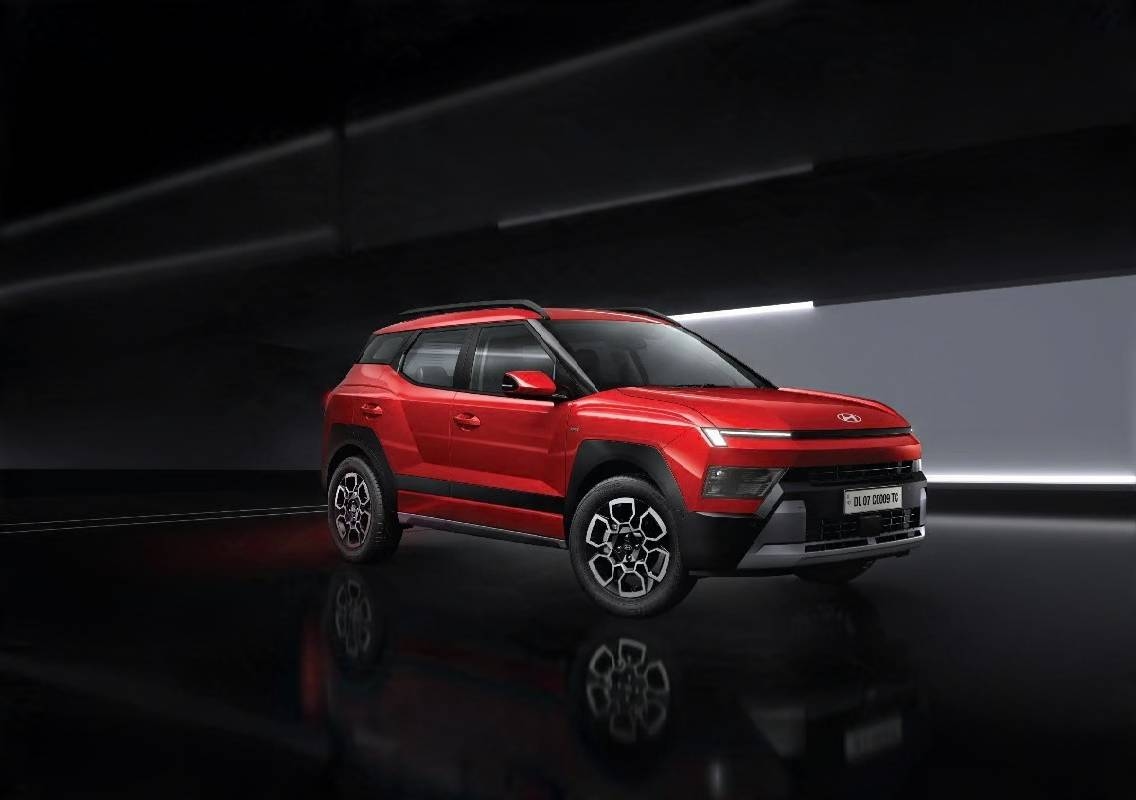
The Bayon has been spotted in a red exterior finish with a contrasting dark roof. The design features slim LED daytime-running lights, separately positioned headlamp units, prominent wheel-arch cladding and a rugged-looking lower bumper.
The side profile features roof rails, blacked-out pillars and alloy wheels, while the rear gets a roof spoiler, a high-mounted stop lamp and a bold tailgate design.
The SUV follows Hyundai’s latest styling direction, combining a relatively upright profile with geometric body cladding. At approximately 4.2 metres long, it is intended to occupy the space between the smaller Venue and the larger Creta.
The dealership footage offers a glimpse of the India-spec vehicle, although the exact variant shown has not been confirmed. The sighting also does not establish how many units have reached dealerships or whether all locations will receive stock at the same time.
Cabin gets dual 12.3-inch displays
One of the key highlights of the Hyundai Bayon is its technology-focused cabin. The SUV features two 12.3-inch displays, with one serving as the digital instrument cluster and the other handling infotainment functions.
The dashboard retains physical controls for selected functions, alongside the digital display arrangement. Hyundai has also highlighted connected-car technology and an artificial intelligence-powered voice assistant as major features of the new model.
The infotainment system uses Hyundai’s Connected Car Navigation Cockpit, supported by NVIDIA technology. The company has announced over-the-air updates for up to 19 vehicle controllers and more than 70 Bluelink connected-car features.
The generative AI voice assistant is designed to provide a more natural interaction between the driver and the vehicle. The final distribution of features across variants will become clearer when Hyundai announces prices and equipment details.
Hyundai Bayon engine and transmission
The India-spec Bayon is powered by a 1.5-litre, four-cylinder, naturally aspirated petrol engine producing 115bhp and 144Nm of torque.
Transmission options include a six-speed manual gearbox and Hyundai’s Intelligent Variable Transmission (IVT), an automatic transmission designed for smooth everyday driving.
The engine specification is similar to the naturally aspirated petrol setup used in the Hyundai Creta. Hyundai has not announced an official fuel-efficiency figure for the Bayon, so buyers will need to wait for the company’s final specifications and independent real-world tests before comparing mileage with rivals.
At present, the announced powertrain details focus on the petrol engine, with no confirmed diesel, CNG or turbo-petrol option for the India-spec model.
Bookings open for Rs 11,000
Customers can book the Hyundai Bayon for an initial amount of Rs 11,000 through the official Hyundai India website or at authorised dealerships.
The company is scheduled to announce prices on October 26, 2026, with deliveries expected to begin during the festive season. The final price range, variant names and equipment differences are yet to be confirmed.
The Bayon will compete in a crowded SUV market where pricing, safety equipment, cabin technology and ownership costs are important considerations for buyers. Its position between the Venue and Creta gives Hyundai another option for customers seeking a larger vehicle than a sub-four-metre SUV without moving to a bigger model.
What to expect at launch
The arrival of the first reported units at dealership stockyards indicates that Hyundai is preparing for the Bayon’s launch. However, the exact variant line-up, official prices, fuel-efficiency figures and city-wise delivery timelines remain key details to be confirmed.
For prospective buyers, the October 26 launch will provide a clearer picture of how the Bayon compares with established rivals, including the Maruti Suzuki Victoris. The final pricing and variant-wise features will play a major role in determining its position in the Indian SUV market.