







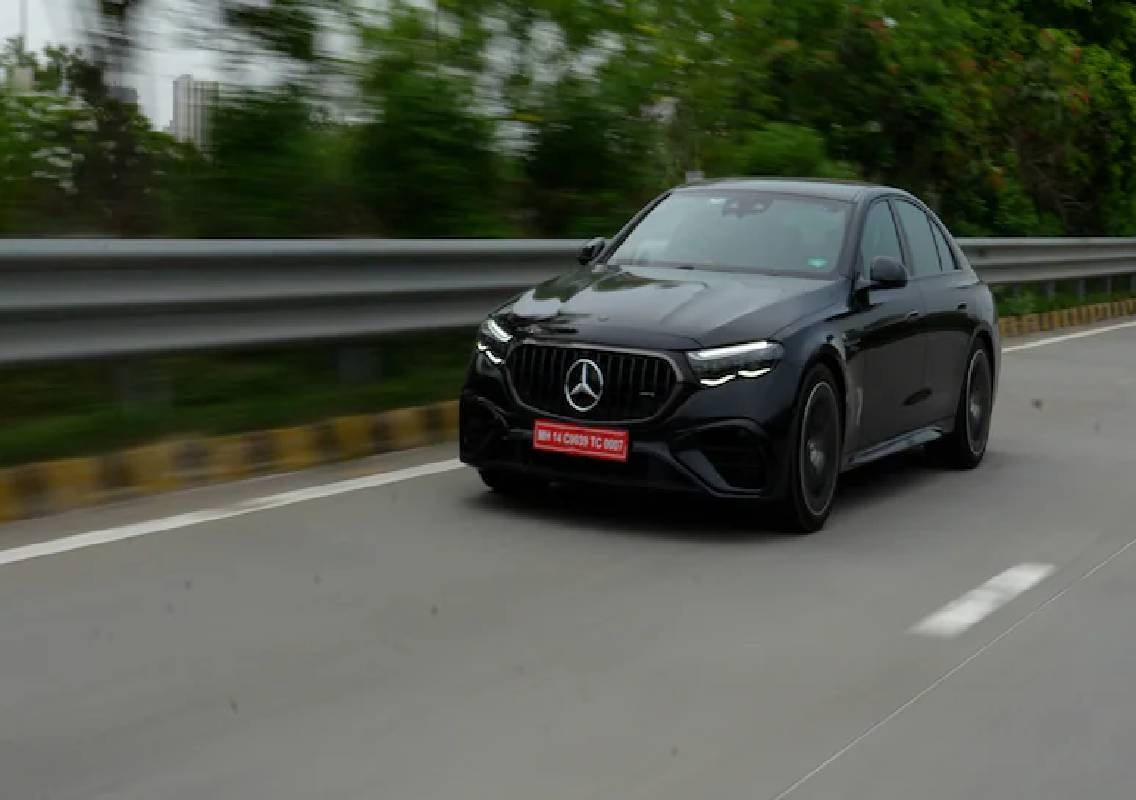


New Delhi: Mercedes-Benz India has announced that all its petrol-powered vehicles sold in the country are now E25-ready, making them compatible with petrol blended with up to 25 per cent ethanol. The move aligns with the government’s push towards higher ethanol blending as part of its strategy to reduce crude oil imports and lower vehicle emissions.
The luxury carmaker said the update reflects its commitment to supporting India’s evolving fuel ecosystem while continuing to offer customers multiple powertrain options, including internal combustion engine (ICE) vehicles, electric vehicles (EVs) and plug-in hybrids (PHEVs).
All petrol Mercedes models compatible with E25 fuel
Mercedes-Benz India confirmed that every petrol model in its current lineup has been engineered to run on E25 fuel, ensuring compatibility with the higher ethanol blend expected to become more common in the coming years.
The announcement follows the company’s earlier confirmation that its BS VI-compliant petrol vehicles were compatible with E20 fuel. By extending compatibility to E25, Mercedes-Benz is preparing its products for the next phase of India’s ethanol-blending programme.
Supporting India’s ethanol roadmap
India completed the nationwide rollout of E20 petrol in 2025, and the government is evaluating higher ethanol blends, including E25, as part of its long-term energy security and sustainability goals. Higher ethanol blending is intended to reduce dependence on imported crude oil, support domestic sugarcane farmers and lower carbon emissions from transport.
Mercedes-Benz said its latest announcement demonstrates readiness for future fuel standards while maintaining performance, reliability and customer safety.
Multiple powertrain strategy continues
Despite expanding its electric vehicle portfolio, Mercedes-Benz reiterated that it will continue offering a mix of petrol, diesel, plug-in hybrid and fully electric models in India.
The company believes customers should have the flexibility to choose the powertrain that best suits their driving needs as India’s mobility ecosystem continues to evolve.
This multi-powertrain approach reflects the luxury carmaker’s strategy of balancing electrification with continued support for efficient internal combustion engines during the transition to cleaner mobility.
Industry moves towards higher ethanol compatibility
Mercedes-Benz joins other premium automakers that have begun preparing their vehicles for higher ethanol blends as India advances its biofuel programme.
The development comes amid increasing collaboration between automobile manufacturers and policymakers to ensure future vehicles remain compatible with evolving fuel standards without compromising durability or performance.
What it means for customers
For Mercedes-Benz owners and prospective buyers, the announcement means greater confidence that current petrol models will remain compatible with future fuel specifications as ethanol blending levels increase.
The company has indicated that the transition requires no additional modifications for eligible petrol vehicles, reinforcing its commitment to delivering future-ready products for the Indian market.