







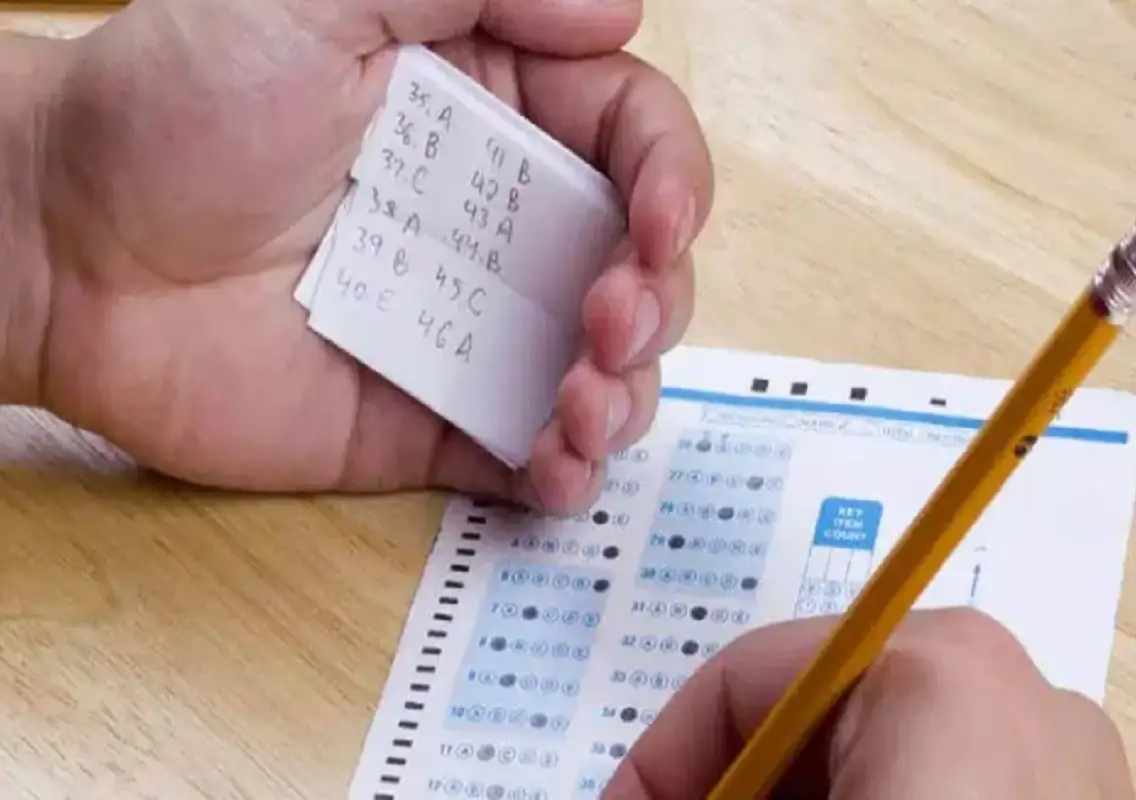


Bengaluru: Halasuru police in Bengaluru have arrested 18 candidates from Haryana for allegedly using sophisticated electronic devices to cheat during an Army recruitment examination conducted at the 515 Army Base Workshop. The arrests followed the detection of suspected malpractice during the written test held on February 8.
According to police officials, the accused candidates are suspected to have used concealed Bluetooth-enabled communication devices and mobile phones to transmit question paper content to outside associates and receive dictated answers in real time. All 18 accused have been taken into custody and remanded in judicial custody pending further investigation.
The case has raised serious concerns about organised cheating methods using advanced technology in recruitment examinations for defence-linked establishments.
Malpractice suspected during written test
Police said the alleged malpractice took place during the written examination for direct recruitment to Group ‘C’ Lower Division Clerk (LDC) posts under the Civil Defence Employment Recruitment process. The test was conducted between 10 am and 12 noon at the Army Base Workshop premises in Halasuru.
Invigilators on duty reportedly observed suspicious behaviour among a group of candidates seated in different parts of the examination hall. Their conduct during the test triggered alerts, prompting closer monitoring and immediate verification checks.
Following this, authorities conducted a targeted inspection of the candidates and their belongings.
Electronic devices seized
During the inspection, officials recovered three mobile phones and around a dozen Bluetooth communication devices believed to have been used to facilitate cheating.
According to investigators, some of the devices were found concealed on the candidates’ bodies in a manner designed to avoid detection during routine frisking. Additional electronic gadgets were also seized from bags kept outside the examination hall that belonged to at least two of the candidates who had appeared for the test.
Preliminary findings suggest that question paper content may have been photographed and transmitted to accomplices stationed outside the examination centre. These accomplices are suspected to have then relayed answers back to candidates through paired Bluetooth audio devices.
Police said the exact technical configuration of the devices and the communication chain is being analysed through forensic examination.
Complaint filed by Army official
The case was registered based on a formal complaint lodged by Colonel S.S. Jyotirlingam, Security Officer to the Commandant and Managing Director of the 515 Army Base Workshop.
Following the complaint, Halasuru police registered a case under relevant sections dealing with cheating, criminal conspiracy, and use of unfair means in public examinations. The investigation team questioned the suspects and verified their identities and backgrounds before making formal arrests.
Officials said they are also working to identify external collaborators who may have assisted the candidates from outside the exam centre.
Accused identified, probe widened
Police have identified the arrested candidates as Surender, Sandeep, Monty, Anuj, Ajay Kumar, Sumit, Rahul, Aman, Ankit, Vikas, Yogesh, Aman Redu, Rajat, Ankit, Vinay, Aman Kumar, Manish, and Prashant — all reportedly from Haryana.
Investigators are now examining call records, device pairing logs, and data stored in the seized phones and gadgets. Efforts are underway to determine whether the candidates were acting individually or as part of a larger organised network specialising in exam fraud.
Authorities are also checking whether similar methods were used by the same group in other recruitment or competitive examinations across different states.
Growing use of tech in exam fraud
Police sources noted that the use of miniaturised Bluetooth devices and hidden communication tools in competitive exams has increased in recent years. Such devices are often difficult to detect without specialised scanning equipment and thorough physical checks.
Security agencies are expected to review frisking and surveillance protocols at sensitive recruitment centres, especially those connected to defence and government services.
Conclusion
The Bengaluru Army recruitment exam cheating case highlights the evolving nature of examination fraud and the role of covert electronic devices in enabling unfair practices. With 18 candidates arrested and electronic evidence seized, Halasuru police have launched a wider probe to trace the full network behind the operation. Further arrests may follow based on forensic analysis and digital evidence.