









Bengaluru: The rapid growth of artificial intelligence data centres in Bengaluru is contributing to the city’s worsening “heat island” effect, environmental experts have warned, raising concerns over increasing temperatures, water consumption and pressure on urban infrastructure.
Experts say the expanding network of AI-driven data centres is not only adding to heat emissions but also contributing to noise pollution, air pollution, high electricity demand and water stress in the city.
According to the Department of Electronics, IT, BT and S&T, Karnataka, Bengaluru currently hosts 31 operational data centres, while two more are under construction. Outside Bengaluru, only one such centre currently exists in Mangaluru.
Experts warn of environmental pressure
Environmental experts have raised concerns that the large-scale cooling requirements of AI data centres are intensifying Bengaluru’s urban heat conditions.
The “heat island” effect refers to urban areas becoming significantly warmer than surrounding rural regions due to dense infrastructure, heat-trapping surfaces and human activity.
Experts have linked this growing heat imbalance to changing weather patterns in Bengaluru, including heavy thunderstorms and occasional hailstorms witnessed in recent years.
Akshay Heblikar, Director of Eco-Watch, said AI data centres require uninterrupted electricity and water supplies for cooling systems and continuous operations.
He warned that while a portion of electronic waste generated by these facilities can be recycled, the recycling process itself consumes additional natural resources.
Heblikar urged the Karnataka government to spread public awareness about the environmental impact of large-scale AI infrastructure and consider regulated use policies for sectors that critically require AI technologies.
Massive water and power consumption highlighted
Experts have particularly highlighted the enormous water usage associated with AI data centres.
According to global industry estimates cited by experts, AI data centres can consume around 2.5 crore litres of water annually per megawatt for cooling and associated operations.
Mithun Hanumesh, Head of the Centre of Excellence in Nature-Based Solutions at Alliance University, said Bengaluru’s growing data centre ecosystem is placing additional strain on an already water-stressed city.
He noted that depending on size and cooling technology, data centres in Bengaluru could collectively consume up to 2 crore litres of water daily.
Hanumesh added that globally, many modern data centres are increasingly being established in colder regions or coastal locations with easier access to renewable energy and more efficient cooling conditions.
AI infrastructure and e-waste concerns
An AI expert quoted in the report warned that environmental impacts of AI expansion are often overlooked despite the increasing demand for AI-powered tools such as image generation, voice enhancement, automated decision-making and rapid data processing.
The expert pointed out that servers, batteries, satellites and related infrastructure powering AI systems generate significant non-biodegradable waste that eventually requires disposal.
The increasing demand for AI services has also sharply increased computational requirements worldwide, leading to higher electricity consumption from large-scale server facilities.
Karnataka government considering sustainable policy
Earlier, Karnataka IT/BT Minister Priyank Kharge had acknowledged concerns over the environmental impact of data centres.
He stated that generating one megawatt of power requires investments of nearly ₹70 crore and noted that even small AI interactions consume water resources.
Kharge said the state government is considering a dedicated sustainable data centre policy aimed at balancing technological growth with environmental protection.
Manjula N, Secretary of the Department of Electronics, IT, BT and S&T, said upcoming policies would encourage efficient use of water and power while addressing heat emissions and environmental sustainability.
She added that vertical construction models are also being explored to optimise land usage for future data centres.
What is a data centre?
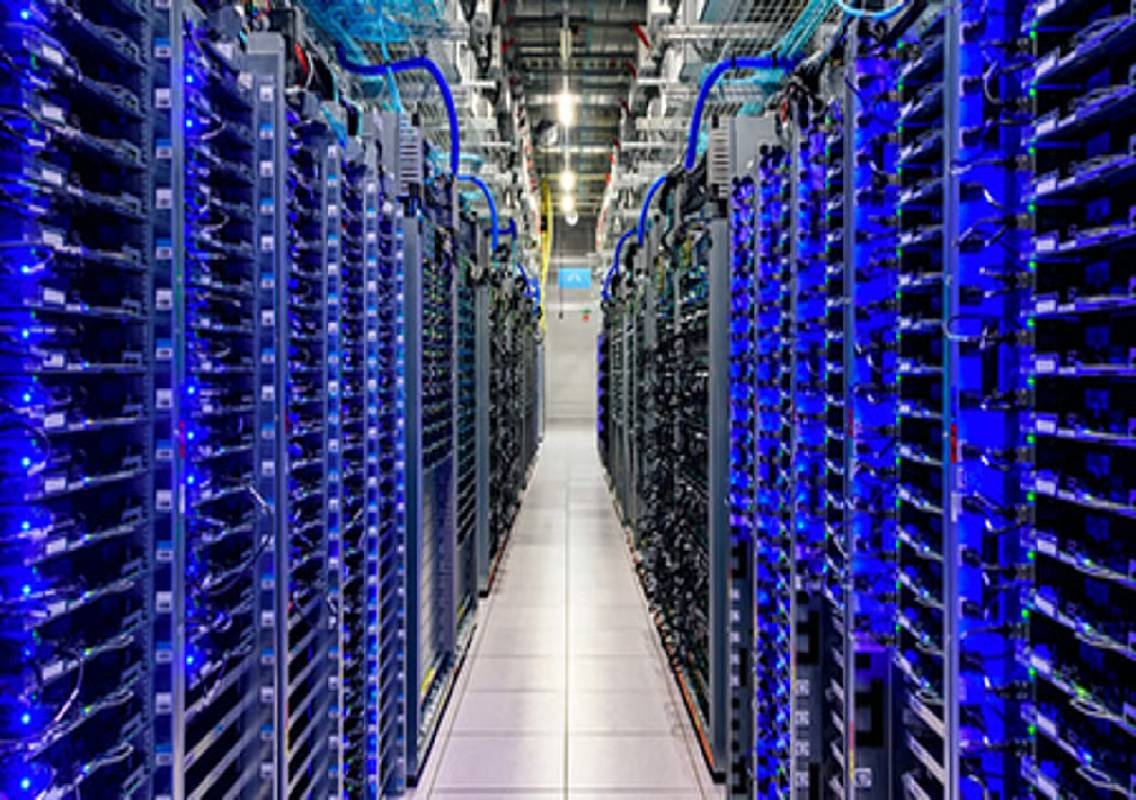
A data centre is a specialised facility that houses computing systems and digital infrastructure used for storing, processing and managing large volumes of data.
AI data centres are specifically designed to support artificial intelligence and machine learning operations, requiring powerful servers capable of rapid data processing and analysis.
High electricity demand raises concerns
Experts explained that a fully operational one-megawatt data centre consumes around 1,000 units of electricity every hour.
This translates to approximately 24,000 units of electricity consumption daily when operating continuously.
With Bengaluru emerging as a major technology and AI hub, the rising number of such facilities is expected to further increase energy demand and environmental pressure unless sustainable measures are implemented.
Conclusion
As Bengaluru strengthens its position as an AI and technology hub, concerns are growing over the environmental cost of expanding data centre infrastructure. Experts have called for stricter sustainability measures and regulated growth to prevent further pressure on the city’s climate, water resources and energy systems.