


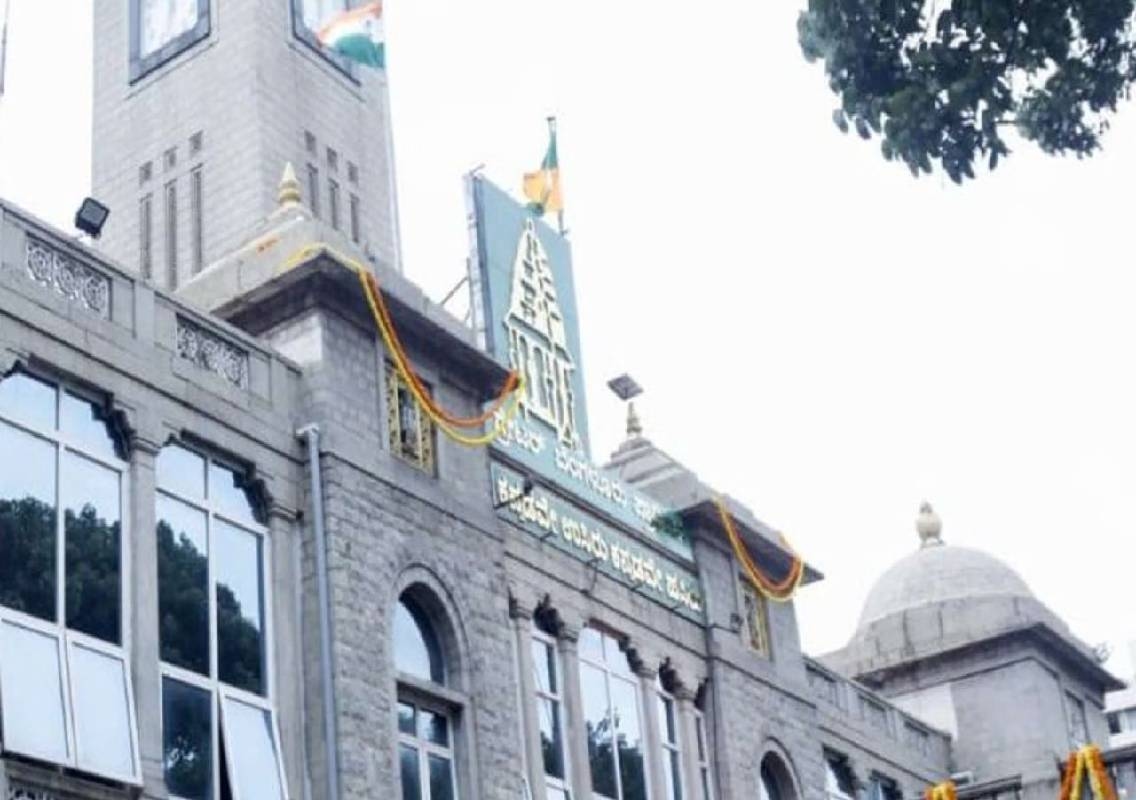


Bengaluru: The Greater Bengaluru Authority (GBA) has directed civic marshals to clear nearly 1,000 garbage hotspots identified through an artificial intelligence-based survey, setting a deadline of 10 days to resolve the issues. The initiative aims to improve sanitation, speed up civic action and strengthen accountability in waste management across the city.
GBA Commissioner M. Maheshwar Rao has instructed marshals to address the identified garbage-related problems and close the corresponding digital tickets within the stipulated period.
AI Cameras Detect Civic Issues Across Bengaluru
The survey was conducted using a vehicle equipped with AI-powered cameras in collaboration with Chitragupta Urban Technologies. The pilot covered 150 km of arterial and sub-arterial roads out of the 311 km identified within the GBA jurisdiction.
The technology was used to identify multiple civic problems, including garbage dumping, waste accumulation, potholes, footpath encroachments, construction debris, unauthorised optical fibre cables and non-functional streetlights.
The survey generated approximately 2,000 digital tickets for the issues detected. Nearly 1,000 tickets were related to garbage dumping and waste accumulation, prompting the authority to prioritise these cases for immediate action.
The findings are expected to help officials identify problem areas more systematically and direct civic teams towards locations requiring attention.
Anveshaka App to Track Cleanup Progress
To monitor the response, the GBA has developed a mobile application called Anveshaka. The platform allows marshals and junior health inspectors to access details of civic issues assigned to their respective areas through a dashboard.
Officials must visit the identified locations and resolve the reported problems. They are then required to upload a geo-tagged photograph taken within 50 metres of the location.
The digital ticket can be closed only after the photograph is submitted, creating a record of the action taken. This process is intended to help the authority verify whether the reported issue has been addressed rather than relying solely on verbal updates.
A special workshop was organised for marshals on Thursday to familiarise them with the application and explain the procedures for implementing the initiative.
GBA Seeks Faster Response to Civic Complaints
The commissioner said the objective was to identify civic problems proactively, rather than waiting for residents to submit complaints. Although sanitation teams carry out routine cleaning, consistent documentation is necessary to verify completed work and identify locations where problems persist.
The AI-powered survey is intended to support this process by combining automated detection with digital tracking. The system could help officials monitor pending issues, assign responsibility and assess how quickly civic problems are resolved.
The current pilot has focused on selected arterial and sub-arterial roads, meaning the findings do not represent a complete survey of every road in Bengaluru.
Ten-Day Deadline Puts Focus on Implementation
The 10-day deadline places the immediate focus on clearing the identified garbage hotspots and documenting the work through the Anveshaka application.
However, removing accumulated waste is only one part of maintaining cleaner public spaces. Preventing repeated dumping, ensuring regular collection and monitoring previously cleared locations will also be important to sustain improvements.
The initiative marks an effort by the GBA to use technology to strengthen routine civic administration. Its effectiveness will depend on whether the identified problems are resolved within the deadline and whether the digital monitoring system supports consistent action on the ground.