







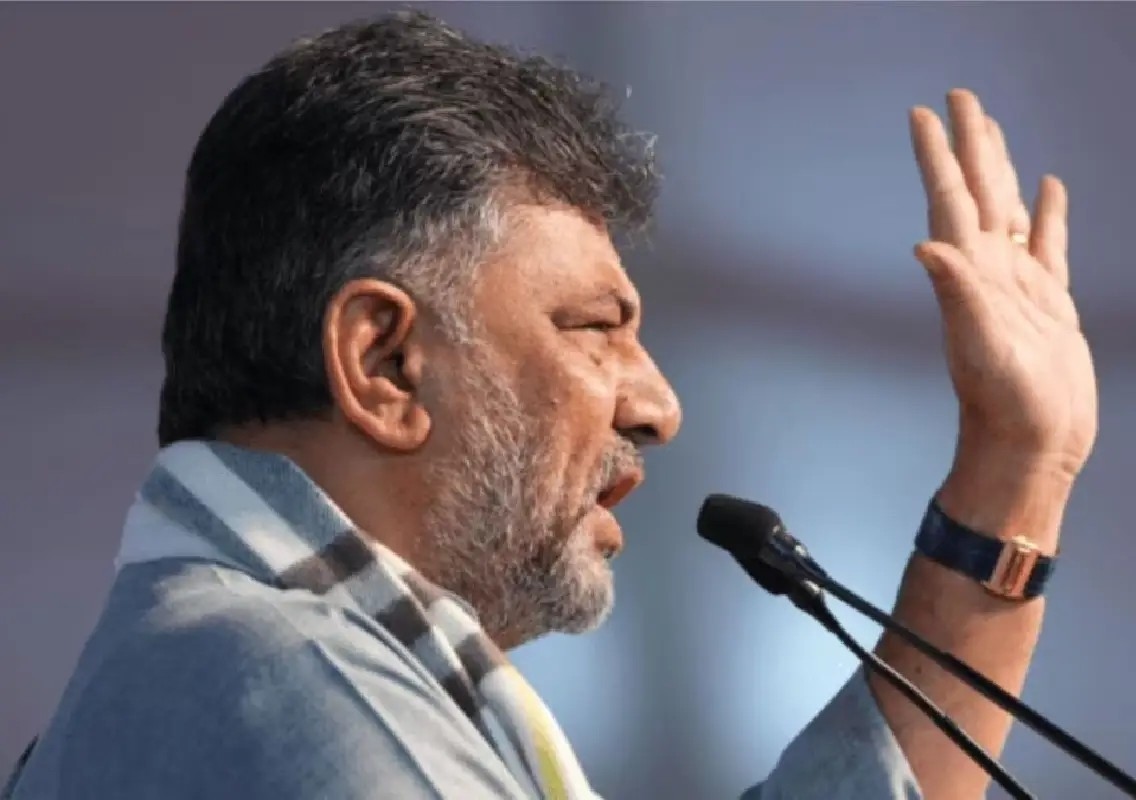


As D K Shivakumar prepares to assume office as Karnataka’s Chief Minister, attention is turning to the ambitious infrastructure and urban development projects he championed during his tenure as Bengaluru Development Minister.
Over the past three years, Shivakumar played a key role in shaping the city’s growth agenda, often backing large-scale projects despite financial and administrative challenges. His supporters credit him with reviving long-pending initiatives, while critics argue that many pressing civic issues remain unresolved.
Mega projects set for faster progress
Among the projects closely associated with Shivakumar are the proposed North-South and East-West tunnel roads, a 126-km elevated corridor network, the revival of the long-pending Peripheral Ring Road (PRR), the Greater Bengaluru Integrated Township project at Bidadi and a proposed second airport for South Bengaluru.
He also pushed policy reforms aimed at accelerating urban development, including changes to building deviation norms, premium Floor Area Ratio (FAR) regulations and Transferable Development Rights (TDR) provisions.
Another significant reform during his tenure was the restructuring of the Bruhat Bengaluru Mahanagara Palike (BBMP) into five separate corporations.
Civic challenges remain
Despite the focus on mega infrastructure projects, several day-to-day civic concerns continue to trouble residents. Flooding during heavy rains, sewage entering stormwater drains, poor pedestrian infrastructure and delays in Namma Metro expansion remain major concerns across the city.
Urban experts say Bengaluru now faces a crucial decision between investing heavily in road infrastructure and pursuing sustainable solutions to reduce congestion and improve mobility.
Experts seek greater accountability
Mobility expert Satya Arikutharam has suggested that all major transport and mobility proposals undergo professional scrutiny through the Bangalore Metropolitan Land Transport Authority (BMLTA), which the Chief Minister chairs.
Experts believe that with Shivakumar moving into the state’s top office, many of the projects he has backed are likely to move faster through the approval process.
However, observers note that judicial scrutiny, environmental concerns and public opposition may continue to influence the fate of some of the city’s most ambitious projects.
For Bengaluru residents, Shivakumar’s tenure as Chief Minister could prove decisive in determining whether the city prioritises large-scale infrastructure expansion, civic reforms or a balance between both.