









Bengaluru, long known for its pleasant climate, has been identified as one of India’s major cities facing increasing heat-related risks, according to a recent study assessing urban vulnerability to extreme temperatures.
Bengaluru joins list of high-risk cities
The study ranked Bengaluru alongside Mumbai, Hyderabad and Chennai among Indian cities experiencing significant heat risk due to rapid urbanisation, changing land use patterns and the effects of climate change.
The findings challenge Bengaluru’s traditional image as a city with moderate weather and suggest that rising temperatures could become a growing concern in the years ahead.
Urban growth contributing to heat stress
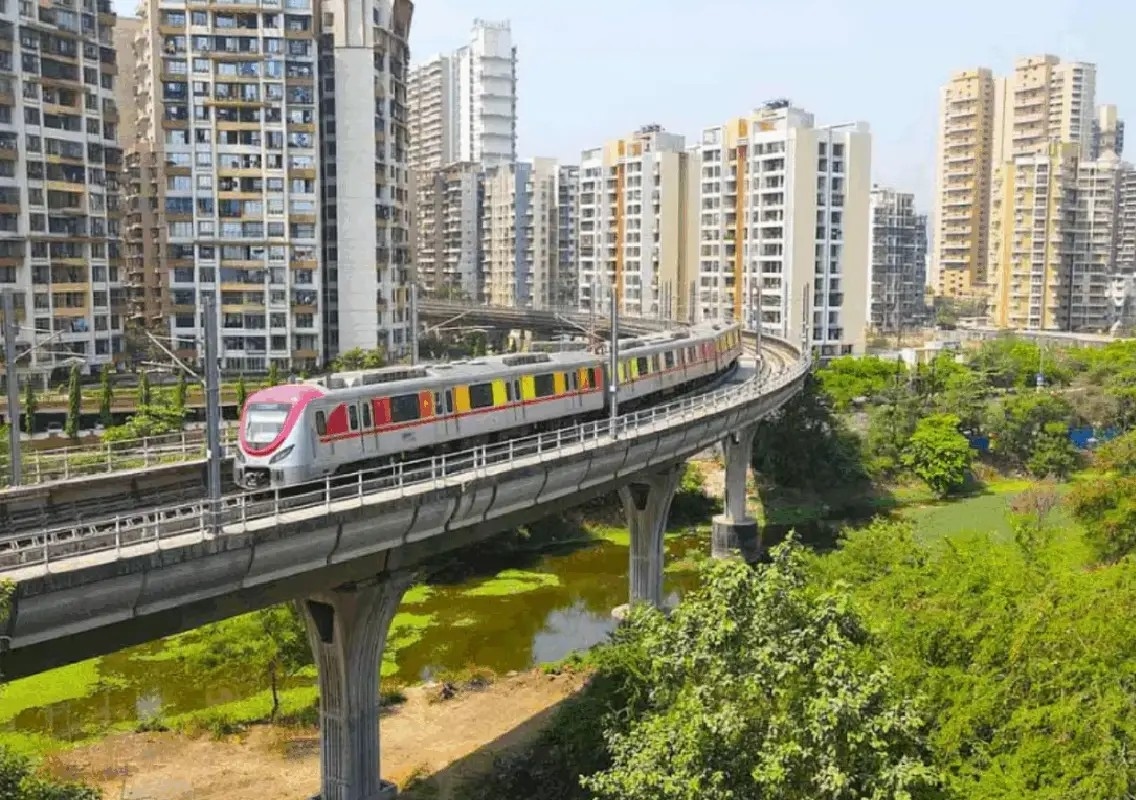
Experts point to expanding concrete infrastructure, shrinking green cover and increasing vehicular emissions as factors contributing to the urban heat island effect.
As cities grow, natural landscapes that help regulate temperatures are often replaced by buildings, roads and commercial developments, causing urban areas to retain more heat.
Bengaluru has witnessed rapid expansion over the past two decades, with several studies already highlighting declining tree cover and pressure on lakes and open spaces.
Health and infrastructure concerns
Extreme heat can impact public health, productivity and infrastructure. Vulnerable groups such as senior citizens, outdoor workers and those with pre-existing health conditions are often the most affected during prolonged heatwaves.
Rising temperatures can also increase energy demand, strain water resources and affect overall quality of life in urban areas.
Need for climate-resilient planning
Urban planners and environmental experts have increasingly called for measures such as expanding green spaces, protecting water bodies, improving urban design and promoting sustainable transport systems.
The report serves as a reminder that even cities traditionally associated with pleasant weather are not immune to the effects of climate change and must prepare for a warmer future.