







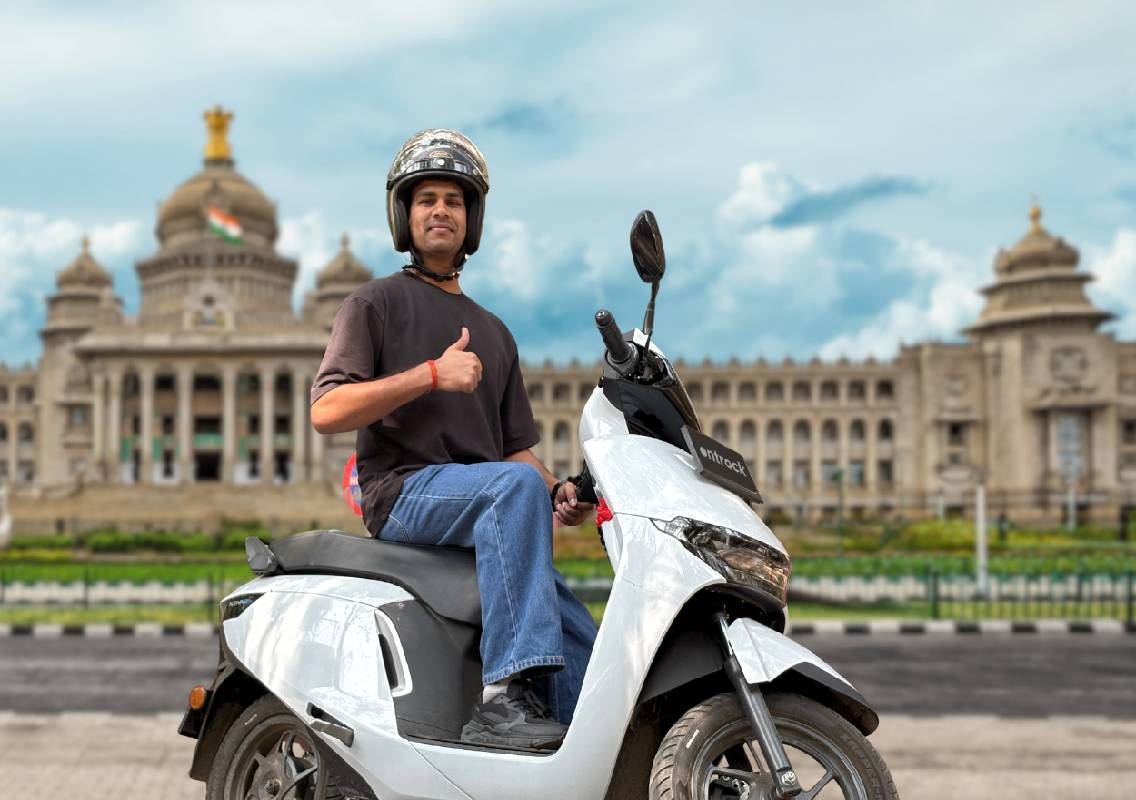


Bengaluru: Electric vehicle adoption is gaining pace in Karnataka, with Bengaluru accounting for more than half of the state’s new EV registrations in August 2026. Transport Department data shows that 13,389 electric vehicles were registered in the city during the month, making up 17.5% of all new vehicle registrations in Bengaluru.
The figures indicate that roughly one in every six new vehicles registered in Bengaluru during August was electric. Across Karnataka, 26,636 EVs were registered during the same month, putting Bengaluru’s contribution at 50.3% of the state total.
The growth comes as electric two-wheelers continue to account for the largest share of EV registrations, while electric cars and commercial vehicles are also gradually expanding their presence on Karnataka’s roads.
Bengaluru accounts for half of Karnataka’s new EVs
Nearly 2,500 new vehicles were registered in Bengaluru every day during August, according to the Transport Department data reported by the Times of India. Of the 76,508 new vehicles registered in the city during the month, 13,389 were electric.
Electric two-wheelers dominated the city’s EV registrations, with 9,453 units registered in August. Electric cars accounted for another 1,258 registrations.
On an average, around 300 electric two-wheelers and 40 electric cars were added to Bengaluru’s roads every day during the month. Other categories accounted for the remaining EV registrations.
Electric two-wheelers made up about 71% of Bengaluru’s EV registrations in August, while electric cars accounted for around 9%. The remaining registrations came from commercial vehicles, buses and other categories.
Bengaluru’s EV fleet crosses 4.9 lakh
The city’s growing monthly registrations have also pushed its overall electric vehicle fleet to a significant level.
As of August 30, Bengaluru had more than 4.9 lakh registered EVs, compared with nearly 8.9 lakh across Karnataka. This means Bengaluru accounted for about 56% of the state’s total registered EV fleet.
The city had around 3.8 lakh electric two-wheelers and 46,596 electric cars. Its electric commercial fleet included 9,922 motor cabs, 6,855 passenger three-wheelers and 9,876 goods three-wheelers.
Bengaluru also had 2,009 electric buses registered with its Regional Transport Offices.
Despite the growing numbers, electric vehicles remain a relatively small proportion of Bengaluru’s overall vehicle population. The city had around 1.3 crore registered vehicles as of August 30, including more than 88.5 lakh two-wheelers and nearly 25.5 lakh cars.
The 4.9 lakh EVs therefore account for approximately 3.8% of the city’s total registered vehicle fleet.
Karnataka’s EV adoption has accelerated
Karnataka’s electric vehicle registrations have increased substantially over the past few years.
The state recorded 7,155 EV registrations during 2019-20. This increased to 46,140 in 2021-22 and crossed the one lakh mark in 2022-23.
Annual registrations reached around 2.3 lakh in 2025-26, more than 32 times the figure recorded in 2019-20.
As of August 2026, Karnataka’s total registered EV fleet stood at nearly 8.9 lakh. This included around 7.3 lakh electric two-wheelers and 65,915 electric cars, besides electric vehicles in commercial and other categories.
The figures indicate that two-wheelers remain the primary driver of EV adoption in the state, reflecting their relatively lower entry cost and suitability for urban travel.
Electric mobility gets policy support
The expansion of EV adoption in Karnataka is taking place alongside central government support for electric mobility.
Under the PM E-DRIVE scheme, Karnataka had 2,67,127 EVs supported as of July 22, 2026, according to government data. The scheme also includes provisions for electric buses and charging infrastructure.
Bengaluru has been allocated 4,500 electric buses under the national scheme. The BMTC has also prepared an operational roadmap covering the proposed deployment of these buses across multiple locations, with the plan awaiting a final decision from the Karnataka government.
The Centre has separately approved funding for EV charging infrastructure in Karnataka. In May 2026, the Ministry of Heavy Industries announced approval for 1,243 EV chargers in the state with a financial outlay of Rs 123.26 crore.
Charging network remains important
The expansion of EV registrations is also increasing the need for reliable charging infrastructure.
Government data showed that Karnataka had 6,805 public charging stations as of March 31, 2026, making it one of the states with the largest charging networks in the country. Under PM E-DRIVE, Rs 153.10 crore had been approved for deploying 1,571 chargers in Karnataka as of July 22, 2026.
For Bengaluru, the challenge is particularly significant because of the scale of its vehicle population and daily traffic movement. As more electric cars, two-wheelers, buses and commercial vehicles are added, charging access will become increasingly important for supporting continued adoption.
EVs still form a small share of total vehicles
While the August registration figures show a significant shift towards electric mobility, the overall vehicle fleet indicates that Karnataka is still in the earlier stages of the transition.
In Bengaluru, EVs represented 17.5% of new vehicle registrations in August, but they accounted for only about 3.8% of the city’s total registered vehicle fleet as of August 30.
This difference between new registrations and the overall fleet highlights the gradual nature of vehicle electrification. Existing petrol and diesel vehicles will continue to remain on the roads for years, even as the share of EVs among new purchases increases.
The trend also shows that Bengaluru remains the key centre of Karnataka’s electric mobility transition, accounting for more than half of the state’s new EV registrations in August and a similar majority of its cumulative EV fleet.
Conclusion
Bengaluru is playing a major role in Karnataka’s shift towards electric mobility. With 13,389 EVs registered in August 2026 and EVs accounting for 17.5% of all new registrations in the city, electric vehicles are gaining a larger presence in the new-vehicle market.
However, EVs still represent only about 3.8% of Bengaluru’s total registered vehicle fleet. Continued growth will depend on factors including charging infrastructure, electric public transport, vehicle availability and the broader economics of EV ownership.