







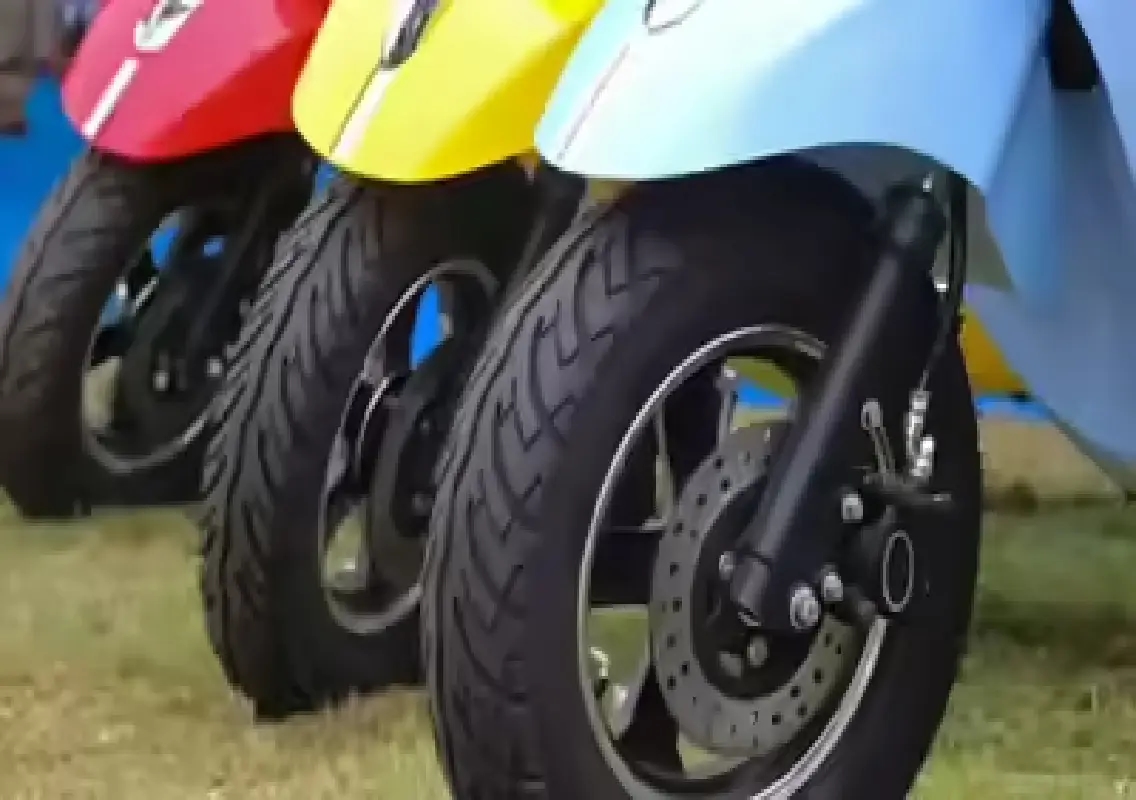


Mumbai: Ride-hailing platform Uber on Wednesday launched a fleet of 50 new electric bike taxis in Mumbai, marking a significant step towards strengthening sustainable and last-mile urban mobility in the country’s financial capital. The company also announced the expansion of its partnership with logistics and mobility firm Loadshare to accelerate the deployment of electric bike taxis across the city.
The newly introduced e-bike taxis were officially flagged off by Additional Transport Commissioner Bharat Kalaskar, signalling the state transport department’s support for cleaner and more efficient transport solutions. Officials indicated that this is only the beginning, with plans already in place to scale up the fleet in the coming months based on commuter demand and operational performance.
Boost to last-mile connectivity in the city
Uber officials said electric bike taxis are particularly suited to Mumbai’s congested roads and narrow lanes, where traditional four-wheelers often struggle during peak hours. Bike taxis are expected to play a crucial role in improving last-mile connectivity, especially for commuters travelling to and from suburban railway stations and metro corridors.
“With Mumbai’s dense traffic conditions, electric bike taxis can offer a faster and more affordable alternative for short-distance travel,” an official associated with the launch said. The service is aimed at office-goers, students and daily commuters who rely heavily on public transport but often face difficulties covering the last leg of their journey.
Government support for EV mobility
Speaking at the launch event, Additional Transport Commissioner Bharat Kalaskar highlighted the importance of electric bike taxis in addressing the city’s growing urban mobility challenges. He said the state government is keen to encourage the adoption of electric vehicles (EVs) as part of its broader vision to reduce pollution and dependence on fossil fuels.
“Electric bike taxis play an important role in addressing urban mobility challenges in Mumbai by offering an affordable and easy transport option. With strong commuter demand, we need a strong network from all aggregators to grow their EV fleets to support everyday mobility needs in Mumbai,” Kalaskar said.
He added that the transport department would continue to work closely with aggregators and mobility service providers to ensure that regulatory frameworks and infrastructure support the rapid expansion of electric mobility.
Expanded partnership with Loadshare
Uber also announced the expansion of its partnership with Loadshare to speed up the rollout of electric bike taxis in Mumbai. Loadshare, which has experience in logistics and last-mile delivery solutions, will support Uber in scaling operations, managing riders and ensuring efficient deployment of the electric two-wheelers.
Company officials said the collaboration will help streamline operations and reduce turnaround times, allowing more e-bike taxis to be added to the platform in a shorter period. The partnership is also expected to create additional income opportunities for riders and drivers who choose to transition to electric vehicles.
Uber’s vision for cleaner mobility
Sabyasachi Rana, Lead – Regional Operations, Uber India, said bike taxis have already proven their value in cities where they are operational. He noted that electric bike taxis are especially useful for navigating dense traffic and connecting commuters to public transport hubs.
“Bike taxis prove to be a real lifeline when navigating dense traffic or finding a ride to the nearest metro station. Over the next few months, we will add more EV bikes in Mumbai in line with the state’s vision for cleaner mobility,” Rana said.
He added that Uber is committed to supporting India’s transition to sustainable transport by investing in electric mobility solutions and working with partners and governments at both the state and central levels.
Environmental and economic impact
Transport experts have welcomed the move, noting that electric bike taxis can significantly reduce carbon emissions compared to conventional petrol-powered vehicles. With Mumbai battling high levels of air pollution and traffic congestion, the shift towards electric two-wheelers is seen as a step in the right direction.
Electric vehicles also offer lower operating costs, which could translate into more affordable fares for commuters and better earnings for riders in the long run. Industry observers believe that if the model proves successful, it could be replicated in other major Indian cities facing similar mobility challenges.
Scope for expansion in coming months
Uber officials confirmed that the current fleet of 50 electric bike taxis is part of a pilot phase, and the company plans to add more vehicles in phases. The expansion will depend on factors such as rider demand, regulatory approvals and the availability of charging infrastructure.
Mumbai already has a growing network of EV charging stations, and authorities have been working to further strengthen this infrastructure. This is expected to support the planned expansion of electric bike taxis and other EV-based services.
Conclusion
The launch of 50 electric bike taxis by Uber in Mumbai marks an important milestone in the city’s journey towards cleaner and more efficient urban transport. With government backing, an expanded partnership with Loadshare and plans to scale up the fleet, the initiative is expected to enhance last-mile connectivity while supporting the broader goal of sustainable mobility. As Mumbai continues to seek solutions to its traffic and pollution woes, electric bike taxis could emerge as a key component of everyday urban travel.