







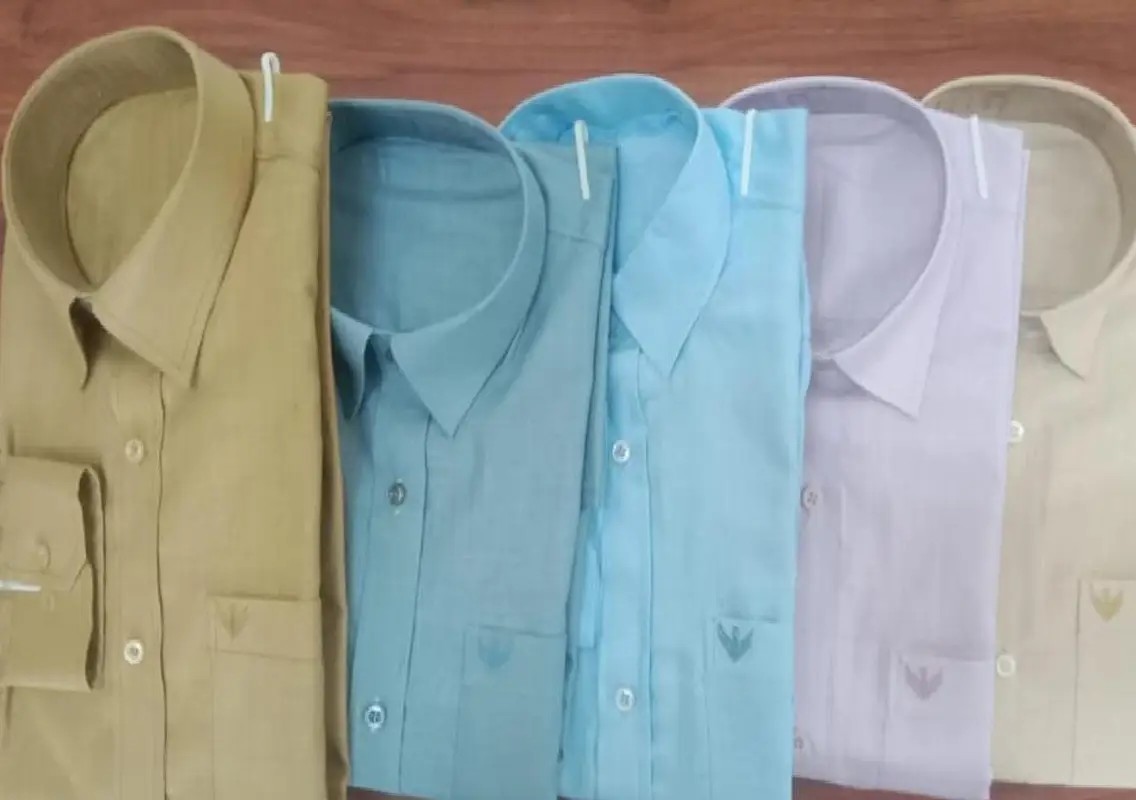


Bengaluru: In a unique rehabilitation initiative, the Parappana Agrahara Central Prison in Bengaluru has launched ‘Free Bird’, a premium ready-made linen shirt brand stitched by prison inmates, aiming to equip them with employable skills and support their reintegration into society.
The Karnataka Prison Department unveiled the new brand as part of its ongoing efforts to transform correctional facilities into centres of learning and skill development.
Skill development through meaningful work
According to prison officials, the initiative is designed to provide inmates with practical vocational training that can improve their employment prospects after release.
The department said the shirts are crafted using quality linen fabric and are designed to compete with leading apparel brands in terms of stitching, finish and overall craftsmanship.
Officials believe programmes such as ‘Free Bird’ not only help inmates develop technical skills but also foster confidence, discipline and financial independence.
Focus on rehabilitation
The Prison Department described the brand as an important step towards creating meaningful opportunities for inmates while encouraging productive engagement during their incarceration.
By involving prisoners in garment manufacturing, the initiative seeks to prepare them for life beyond prison and reduce the chances of reoffending through skill-based rehabilitation.
The department has previously introduced various vocational programmes, including bakery products, furniture, handicrafts and other prison-made goods, to help inmates earn livelihoods after their release.
A second chance through employment
Officials said the launch of ‘Free Bird’ reflects a broader vision of correctional reform, where prisons focus not only on punishment but also on rehabilitation and social reintegration.
By creating products capable of competing in the commercial market, the initiative aims to showcase the talent and craftsmanship of inmates while changing public perceptions about prison rehabilitation programmes.
The department hopes the brand will receive public support and create sustainable employment opportunities for inmates both during their imprisonment and after they rejoin society.