







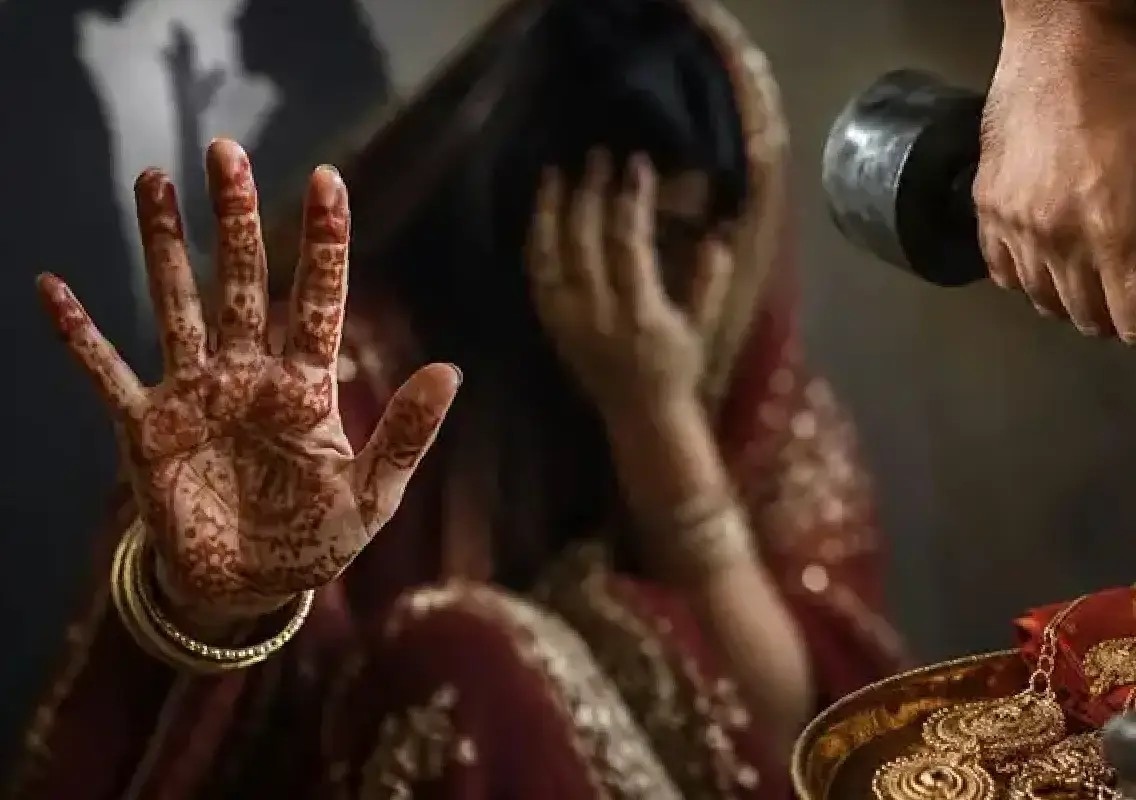


Bengaluru has recorded the highest number of dowry-related cases among India’s metropolitan cities, according to the latest report released by the National Crime Records Bureau (NCRB).
The report states that Bengaluru registered 878 dowry-related cases in 2024, accounting for nearly 87 per cent of all such cases reported across metropolitan cities in the country.
The figures have raised serious concerns among social activists, legal experts, and women’s rights organisations regarding the persistence of dowry practices despite strict laws prohibiting them.
Concerns over continued dowry practices
Experts say the data reflects both the prevalence of dowry harassment and increased reporting of cases by victims and families.
Dowry-related offences may include:
- Harassment for dowry demands
- Domestic violence linked to dowry disputes
- Mental and physical abuse
- Financial coercion after marriage
- Dowry deaths in extreme cases
Activists note that social pressure, economic expectations, and patriarchal attitudes continue to fuel the problem.
Bengaluru’s urban pressures highlighted
Sociologists say urban centres like Bengaluru may witness higher reporting rates due to greater legal awareness, access to police systems, and support networks.
However, they caution that the numbers also point to deeper societal issues affecting educated and economically active communities.
Women’s rights groups have called for:
- Stronger awareness campaigns
- Faster legal processes
- Counselling and protection support
- Community-level intervention
- Better enforcement of anti-dowry laws
Laws against dowry
Dowry is prohibited under the Dowry Prohibition Act, 1961. Harassment and cruelty linked to dowry demands can also attract criminal charges under provisions of the Indian Penal Code and related laws protecting women.
Police and legal experts urge victims facing harassment to seek immediate assistance through law enforcement agencies and women’s helplines.
Demand for social change
Activists emphasise that legal measures alone are insufficient unless accompanied by broader social and cultural change.
They stress the need for families and communities to reject dowry practices and promote equality and dignity in marriage.