









A clock built entirely from mathematical equations, a robot dog named Muffin and even an imaginary alien civilisation trying to understand humanity are among the attractions drawing visitors to ParSEC Whitefield, an innovative science experience centre in Bengaluru.
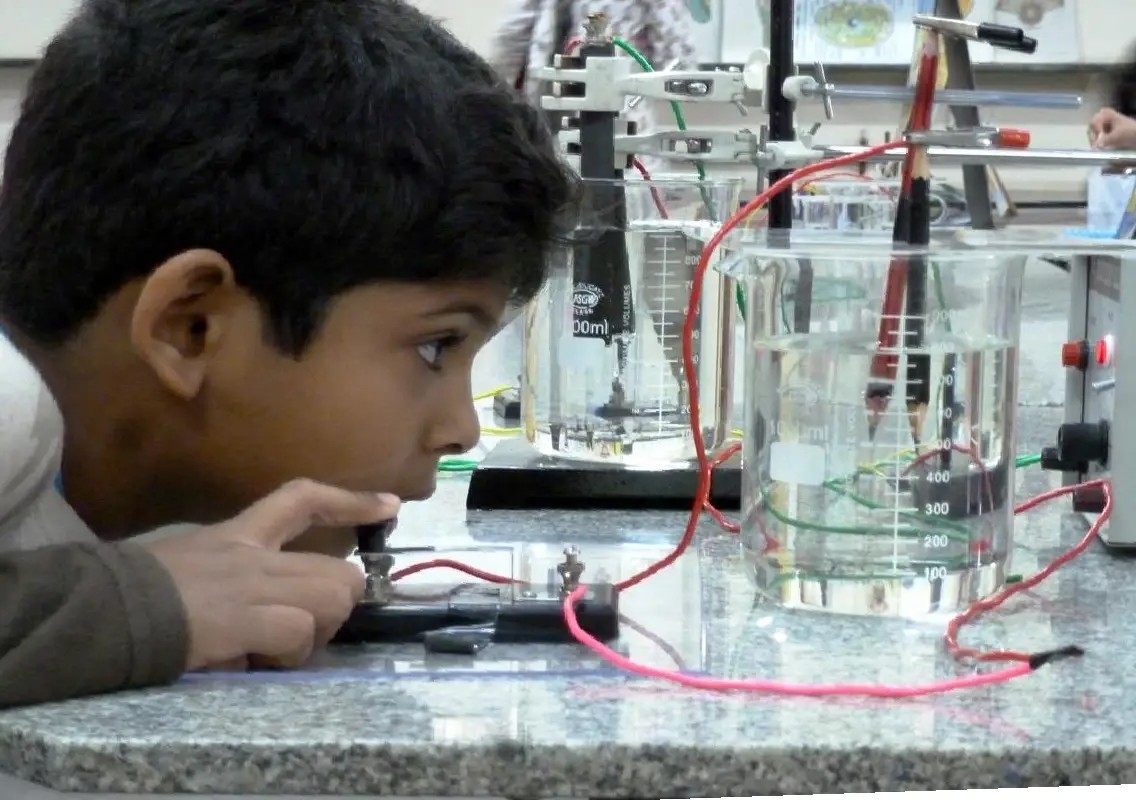
Developed by the PARAM Foundation, the centre is redefining how people engage with science by replacing passive observation with hands-on exploration. Unlike conventional museums where visitors are often expected to simply view exhibits, ParSEC encourages people to touch, experiment and interact with nearly every display.
Making science part of everyday life
According to Inavamsi Enaganti, one of the CEOs of PARAM Foundation, the vision behind the project was to make science more accessible and relevant to everyday life.
“The original vision was to make science a lifestyle,” he said.
The Bengaluru-based non-profit organisation works to promote Indian history, science, innovation and culture. ParSEC Whitefield has emerged as one of its most ambitious initiatives, designed to spark curiosity among children, students and adults alike.
Visitors can engage with exhibits that demonstrate scientific concepts through puzzles, interactive installations, robotics and storytelling, making learning both enjoyable and memorable.
Encouraging curiosity through interaction
The centre’s approach reflects a growing trend in science education that emphasises experiential learning rather than textbook-based instruction alone. By encouraging visitors to experiment and discover concepts for themselves, ParSEC aims to nurture critical thinking and problem-solving skills.
Interactive exhibits such as the equation-based clock and robotic installations help transform complex scientific ideas into experiences that are easy to understand and enjoy.
As Bengaluru continues to strengthen its reputation as a hub for innovation and technology, initiatives like ParSEC are helping create a stronger culture of scientific curiosity among the public.
The centre also highlights the role that informal learning spaces can play in inspiring future scientists, engineers and innovators while making science enjoyable for people of all ages.