







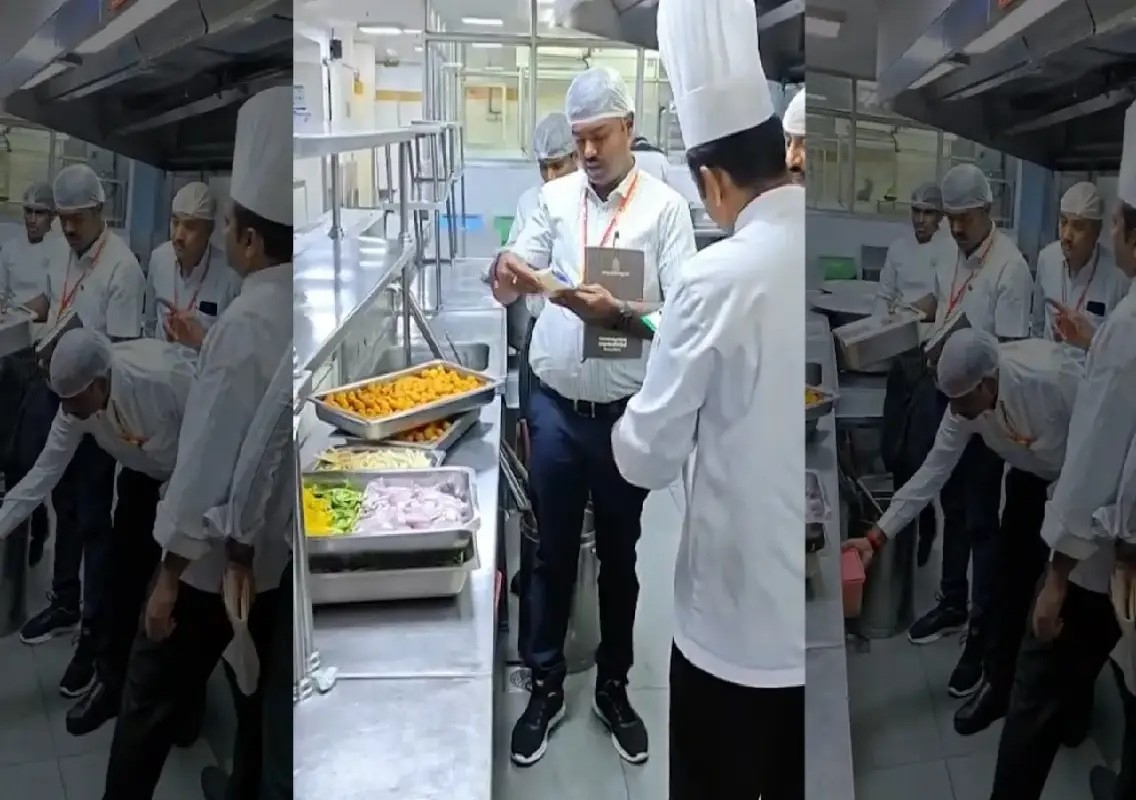


Bengaluru: Three-star, five-star and seven-star hotels across Bengaluru are facing detailed food safety inspections following directions from Health Minister U T Khader, with authorities checking everything from raw material storage and kitchen hygiene to staff health and pest control.
The inspection drive is being carried out by officials from the Food Safety and Standards Department along with the GBA and Health Department. The exercise aims to verify whether hotels are complying with food safety regulations and maintaining the required standards while preparing and serving food to customers.
The inspections have already resulted in the detection of expired milk and spoiled vegetables at some prominent hotels, prompting authorities to step up scrutiny of food handling and storage practices.
60 hotels under inspection
Food Safety and Quality Department Commissioner Srinivas said officials are inspecting 60 hotels across Bengaluru as part of the drive. The establishments include three-star, five-star and seven-star hotels.
The department has deployed 30 teams for the operation, with teams assigned to different parts of the city, including BBMP East, BBMP North, BBMP South, BBMP West and Bengaluru Urban.
Srinivas personally inspected the Lalit Hotel as part of the exercise. During the inspections, officials found 31 litres of milk that had crossed its expiry date at the hotel.
Expired milk was also reportedly detected at other establishments, while spoiled vegetables were found at Shangri-La Hotel. Officials are also checking meat stored at hotels to determine whether any of it has deteriorated or become unfit for consumption.
Food samples collected during the inspections have been sent to laboratories for detailed analysis. Authorities will consider further disciplinary or legal action after receiving the laboratory reports.
Hotels face scrutiny over food storage
The inspection teams are examining the complete food handling chain rather than limiting their checks to cooked food served to customers.
Officials are checking the quality of raw materials, their expiry dates, batch details and storage conditions. They are also verifying whether ingredients are purchased from approved vendors.
Refrigerators and freezers are being inspected to determine whether food is being stored at appropriate temperatures. Teams are also examining cold-storage facilities and whether hotels are maintaining the required cold chain.
Another major concern is cross-contamination. Hotels are expected to keep raw meat, seafood, vegetables and other ingredients appropriately separated during storage and preparation.
Officials are also examining whether establishments have systems in place to ensure that expired or deteriorated food products are identified and removed before they are used in food preparation.
Kitchen hygiene under the scanner
The condition of hotel kitchens is another key component of the inspection.
Teams are examining food preparation areas, including the condition of walls, floors and ceilings. They are also checking whether kitchens have adequate drainage, waste disposal systems and access to safe drinking water.
Pest control arrangements are being reviewed as well. Hotels are expected to maintain proper pest-control measures and records of inspections and treatments carried out on their premises.
The authorities are also checking whether hotels possess valid Food Safety and Standards Authority of India (FSSAI) licences or registrations.
Officials are verifying whether the mandatory Food Safety Display Board is prominently displayed and whether establishments are following other requirements prescribed under the food safety framework.
Cooking oil use also checked
The quality and handling of cooking oil have also come under the inspection team’s scrutiny.
Officials are checking whether hotels are using suitable cooking oil and whether establishments monitor the quality of oil when it is repeatedly used.
The teams are also examining compliance with the Responsible Disposal of Used Cooking Oil (RUCO) system. The system seeks to ensure that used cooking oil is handled and disposed of responsibly rather than being repeatedly reused or entering the food chain.
The inspection of cooking oil forms part of the broader effort to ensure that hotels comply with food safety requirements at every stage of food preparation.
Staff hygiene and medical records examined
Food handlers are also being checked as part of the inspection.
Officials are examining whether employees maintain personal hygiene and use suitable uniforms and protective equipment, including hairnets, masks, aprons and gloves wherever required.
The department is also checking medical fitness records of food handlers and whether required medical examinations and vaccinations are being maintained.
Hand-washing facilities for employees are being inspected along with staff toilets and changing rooms. Authorities are looking at whether these facilities are clean, functional and adequate for workers handling food.
The focus on staff hygiene is intended to reduce the risk of contamination during food preparation and service.
Centralised kitchens and warehouses to be inspected
The inspection will extend beyond individual hotel premises.
Officials have been instructed to collect details of centralised kitchens and warehouses associated with the establishments being inspected. These facilities will also be checked to determine whether food safety standards are being followed throughout the supply and preparation chain.
Centralised kitchens can play a significant role in food preparation and distribution for large hotel groups and establishments. Consequently, authorities are examining whether the same standards applied at hotel premises are being maintained at these facilities.
Officials will inspect cold-storage infrastructure, temperature control and cold-chain management at centralised facilities. Measures adopted to prevent cross-contamination will also be examined.
Licence suspension warning
Srinivas has warned that serious violations could result in the suspension of a hotel’s licence.
He said different shortcomings had been identified at different establishments during the inspections and that a clearer picture of the overall findings would emerge by the evening.
The inspection drive is expected to continue for two days, with officials checking whether food products have crossed their expiry dates and whether establishments are complying with other food safety requirements.
The laboratory examination of food samples will also play an important role in determining whether further action is necessary against individual establishments.
Focus on compliance across food supply chain
The inspection drive highlights the fact that food safety extends beyond the final meal served to customers. Authorities are examining the entire chain, including procurement, transportation, storage, preparation, cooking, staff hygiene and waste disposal.
While the immediate focus is on Bengaluru’s star hotels, the department’s wider inspection plan includes teams working across Bengaluru and several districts of Karnataka. Officers have been assigned specific areas and are conducting inspections under designated supervisory officials.
The discovery of expired milk and spoiled vegetables at prominent establishments has reinforced the need for regular monitoring, particularly at hotels serving large numbers of customers.
The authorities are expected to take further action based on inspection findings and laboratory reports. For hotels, the drive serves as a reminder that maintaining a high-end image must be accompanied by strict compliance with food safety and hygiene requirements at every stage of food preparation.