







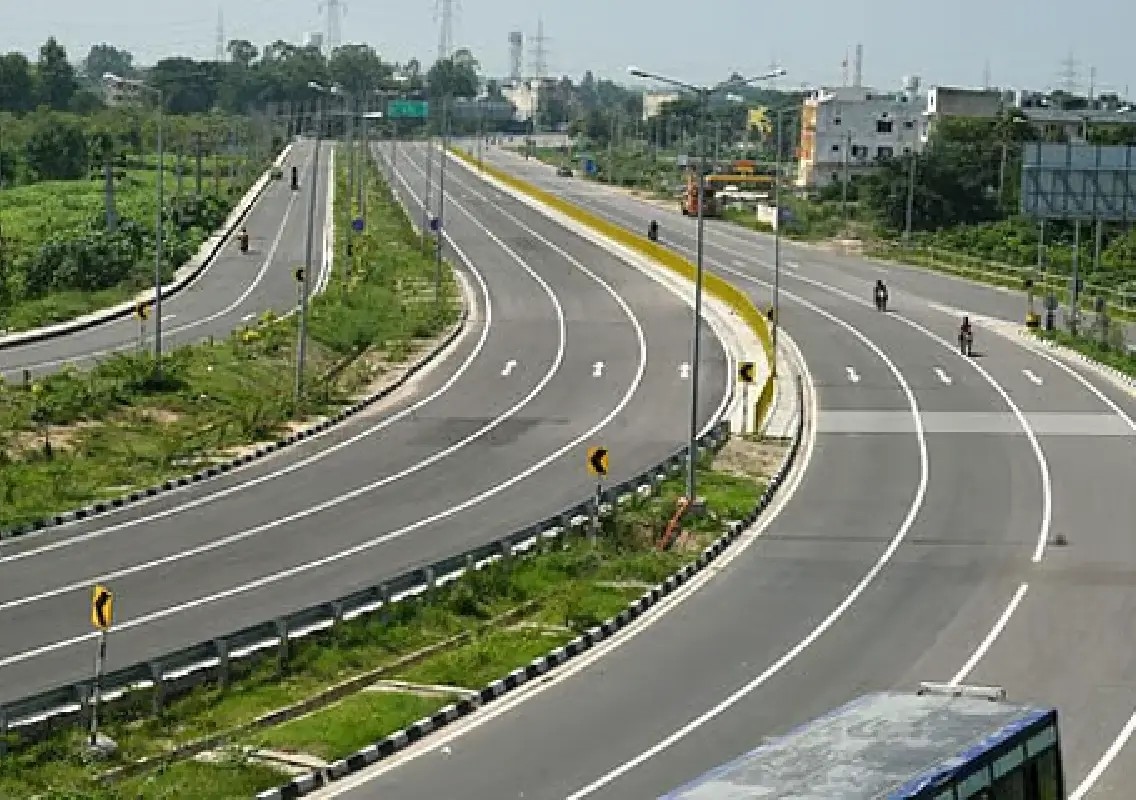


Amid growing concerns over the loss of green cover due to major infrastructure projects, Bengaluru is set to witness a significant tree plantation drive, with 6,000 trees to be planted along a 10-km stretch of Mysuru-Magadi Road under a project called Bloom Avenue.
The initiative, led by Bengaluru-based NGO UnboxingBLR, aims to create a vibrant, tree-lined corridor on the city’s outskirts while integrating greenery into a rapidly developing neighbourhood.
Bringing back Bengaluru’s green identity
The project comes at a time when hundreds of trees are expected to be felled for infrastructure works, including the proposed tunnel road project and the elevated corridor between Indiranagar and Silk Board.
According to UnboxingBLR CEO Malini Goyal, the focus is on designing green corridors before urbanisation becomes dense.
The initiative will feature seven tree species, largely native varieties such as champak, bauhinia, Pride of India, and Cordia sebestena, along with colourful tabebuia trees. The saplings have been sourced free of cost from the Bengaluru Development Authority (BDA) Forest Division.
Six colourful flowering corridors
The avenue has been planned as six distinct “colour corridors”, with different species flowering at various times of the year. Yellow, pink, purple, crimson and lavender blooms will ensure the stretch remains colourful across multiple seasons.
For example, champak trees will flower between June and September, while bauhinia will bloom from September to November, creating changing landscapes throughout the year.
Long-term environmental benefits
The project has been divided into two phases. While the first phase involving site mapping, species selection and plantation has been completed, the NGO will maintain the trees for three years before handing them over to the BDA. An impact assessment will also be published after the second phase.
Environmental experts believe the mature tree canopy will help reduce the urban heat island effect, improve air quality and create habitats for birds and pollinators.
The initiative is expected to become a model for integrating green infrastructure into Bengaluru’s expanding suburbs while preserving the city’s long-standing reputation as the “Garden City.”