









While India’s national freedom struggle often highlights Kolkata, Madras, Bombay, and Delhi, Bengaluru’s journey was shaped by its unique position in the princely state of Mysore, outside direct British control. This arrangement, along with progressive maharajas and efficient British administrators like Sir Mark Cubbon, kept anti-British sentiment muted until the late 1930s.
Mahatma Gandhi visited the city five times between 1915 and 1936, drawing crowds to events like the 1920 Khilafat meeting at Quddus Saheb Eidgah, which inspired locals to burn foreign cloth and embrace khadi.
By August 1942, the Quit India Movement ignited mass protests. Demonstrations erupted near Mysore Bank, a post office and police station were attacked, and infrastructure was sabotaged. Six people died in police firing. Students, especially women, and mill workers played a crucial role, offering aid to strikers and joining pickets.
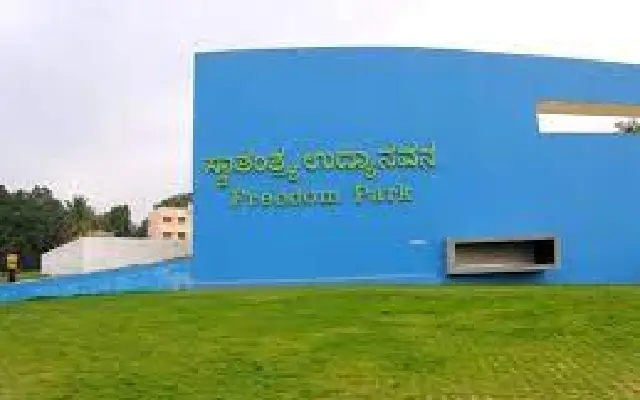
Revolutionary activity thrived in Bengaluru’s pete areas, home to printing presses spreading anti-government literature. Hotspots included Tulasi Thota, a hub for labour protests, and the old Central Jail—now Freedom Park—where leaders like George Fernandes and H. Narasimhaiah were imprisoned.
Memorable moments also include the tragic 1937 lathi-charge at a KF Nariman meeting, leaving one student dead, and Kasturba Gandhi’s visit to Malleswaram to rally women for the Congress cause.
Bengaluru’s lesser-told history reveals a city that evolved from quiet loyalty to fervent activism—its streets, parks, and maidans silently holding the memories of a turbulent fight for independence.