







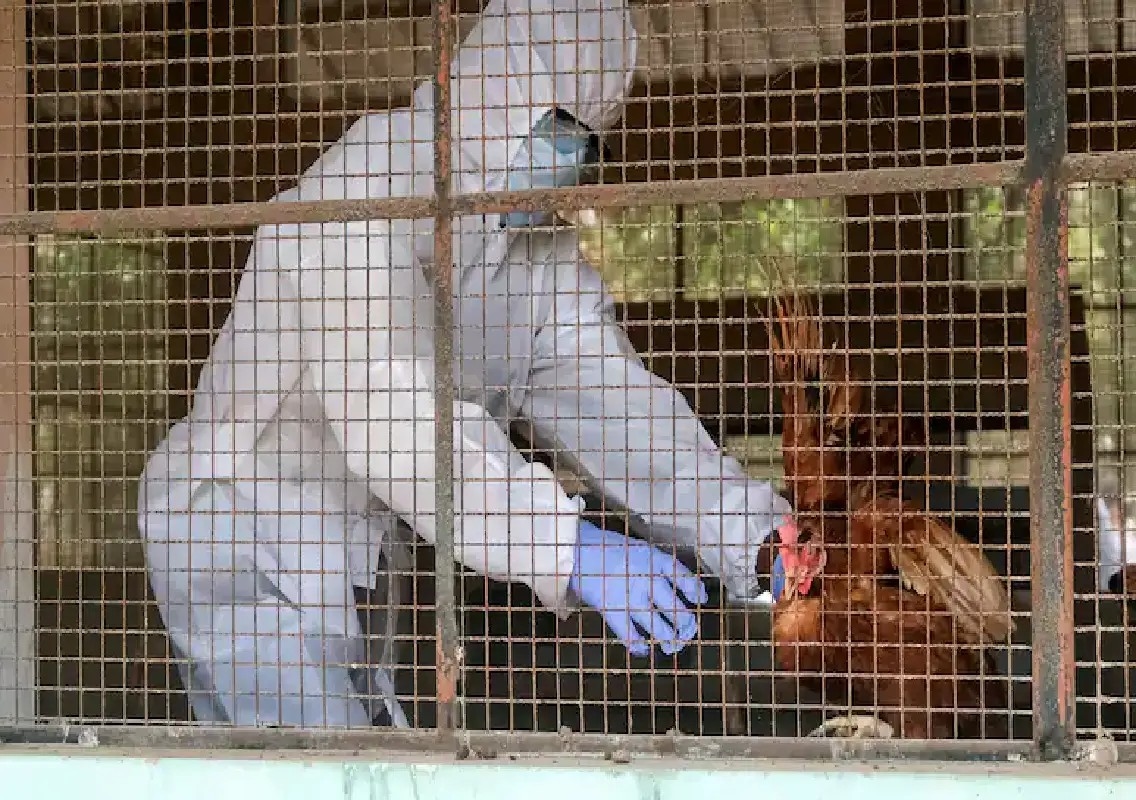


Bengaluru: The Karnataka Health Department has confirmed that the recent outbreak of H5N1 avian influenza near Bengaluru has been successfully contained after a 10-day intensive surveillance operation, with no human infections reported so far.
The outbreak was detected on April 14 at a government poultry training centre in Hesaraghatta, and later confirmed by the National Institute of High Security Animal Diseases in Bhopal. Swift action was taken by health authorities to prevent further spread.
Rapid response and containment measures
Following confirmation, State and District Rapid Response Teams were deployed along with medical teams from local primary health centres. Authorities established a 0–3 km infected zone and a 3–10 km surveillance zone around the affected area.
The Department of Animal Husbandry and Veterinary Services carried out culling of all birds at the facility. Eggs and contaminated feed were safely disposed of in accordance with strict biosecurity protocols to eliminate any risk of transmission.
Large-scale monitoring of population
As part of the containment exercise, health officials monitored a total of 28,172 people across 22 villages within the 10-km surveillance zone. The monitoring lasted for 10 days and included multiple rounds of health checks and sanitation activities.
Samples collected from quarantined staff were tested at the National Institute of Virology in Bengaluru. Results from samples taken on the fifth day returned negative for H5N1. Additional samples collected on the tenth day have been sent for testing, and results are awaited.
Officials confirmed that no human cases have been detected in either the infected or surveillance zones so far.
Continued vigilance in healthcare facilities
The Health Department has directed hospitals across Bengaluru to remain alert and continue monitoring cases of Influenza-Like Illness (ILI) and Severe Acute Respiratory Infection (SARI).
Healthcare facilities have been instructed to maintain adequate stocks of essential supplies, including personal protective equipment (PPE), triple-layer masks, antiviral drugs such as Oseltamivir, viral transport media, and testing kits.
Sanitation and precautionary restrictions
Authorities issued a sanitisation certificate for the affected area on April 21 after completing initial containment measures. However, as a precaution, poultry-related activities at the centre will remain suspended for 90 days.
During this period, the premises will undergo regular disinfection every 15 days, including fumigation of indoor areas and spraying in open spaces to ensure complete elimination of any residual risk.
Public advisory and safety guidelines
The government has issued a public advisory urging citizens to avoid handling or consuming meat or eggs from sick or dead poultry. People have been asked to immediately report such cases to local veterinary or health authorities.
Officials also reassured the public that properly cooked poultry products are safe for consumption, as thorough cooking neutralises the virus effectively. Citizens have been advised to follow verified health guidelines and avoid spreading misinformation.
Conclusion
The successful containment of the bird flu outbreak highlights the effectiveness of coordinated efforts between health and veterinary departments. While the immediate threat has been controlled, authorities continue to emphasise vigilance and public cooperation to prevent future outbreaks and ensure public safety.