







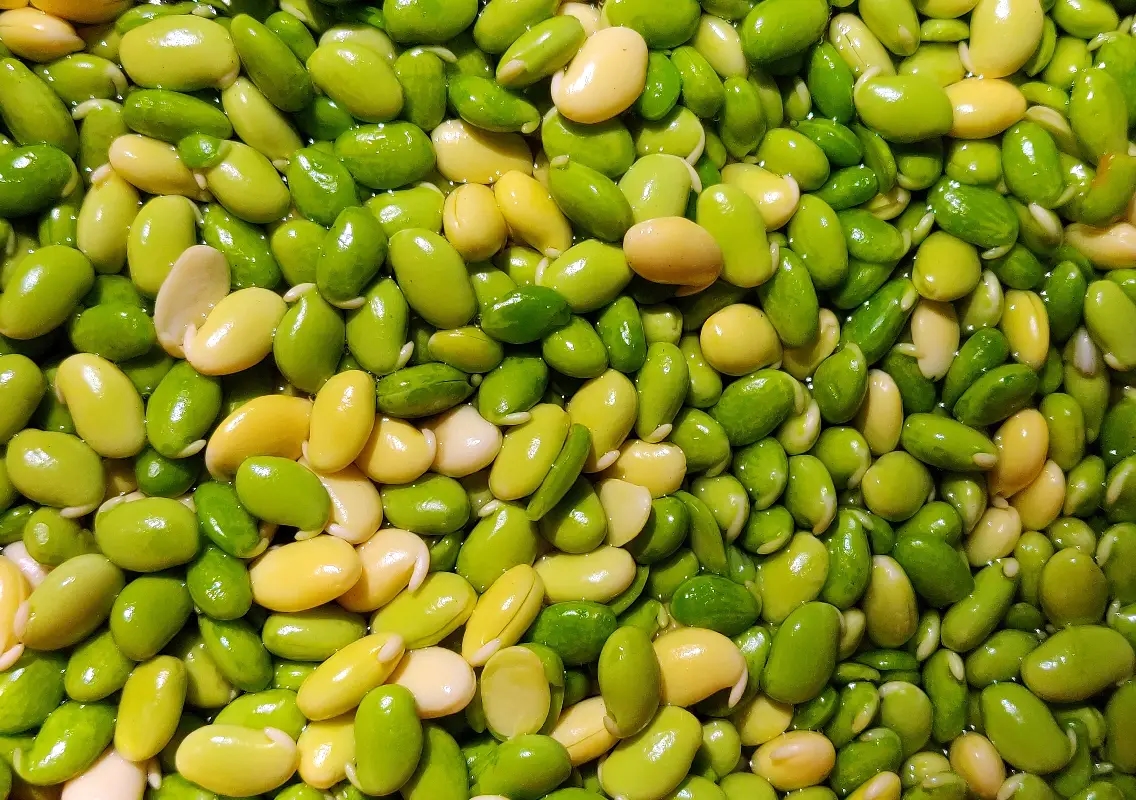


Bengaluru: The city’s beloved winter staple, avarekai, is making a late arrival this season, leaving markets and consumers waiting longer than usual for the fragrant green bean to hit its peak. Vendors say supplies are yet to stabilise, and prices remain unusually high due to a disrupted crop cycle triggered by erratic weather patterns.
Patchy rains and August deluge disrupt crop cycle
Farmers across Bengaluru Rural, Magadi, Chikballapura and Kolar have reported delays caused by inconsistent northeast monsoon showers and heavy rainfall in August. The downpour hit right during the critical sowing period, causing many fields to miss the ideal planting window altogether. As a result, arrivals that typically begin in November have been slow and uneven.
A farmers’ leader from Chikballapura said that August—considered the key month for sowing avarekai—was almost entirely washed out, leaving several cultivators unable to begin the cycle. One farmer from Magadi shared that he skipped avarekai altogether this year after suffering repeated losses over the last few seasons.
Prices remain high as arrivals trickle in
Under normal seasonal conditions, avarekai sells for ₹40–₹50 per kilo by early December. But this year, the price is hovering around ₹80 per kilo, according to a long-time vendor in Malleswaram. The more delicate peeled variety, hitukida avarebele, has skyrocketed to nearly ₹400 per kilo, reflecting the gap between demand and availability.
A procurement officer from a major retail chain noted that farmers who did manage to sow had to do so late, pushing harvest timelines back by several weeks. He expected arrivals to improve within the next fortnight as more produce begins flowing into the city.
Silver lining: Better aroma expected this season
Despite the delays and higher prices, weather conditions may offer one positive outcome. Early-morning dew and the current chill in the air are expected to enhance avarekai’s natural sogadu—the signature aroma that Bengalureans eagerly await every winter, according to a report in The Hindu.
Typically, avarekai supplies stay strong from November to Sankranti, forming the backbone of seasonal dishes like avarekai saaru, uppittu, dosa, and hitikida bele preparations.
Bengaluru relies on Hunsur as local supply slowly picks up
For now, the city is leaning heavily on produce from the Hunsur region. The Director of HOPCOMS confirmed that supplies from Kolar, Chikballapura and Bengaluru Rural have only just begun trickling in and are expected to increase steadily in the coming weeks.
Until then, both vendors and consumers will need to ride out the gap between demand and the delayed green tide that usually washes over Bengaluru markets every winter.