







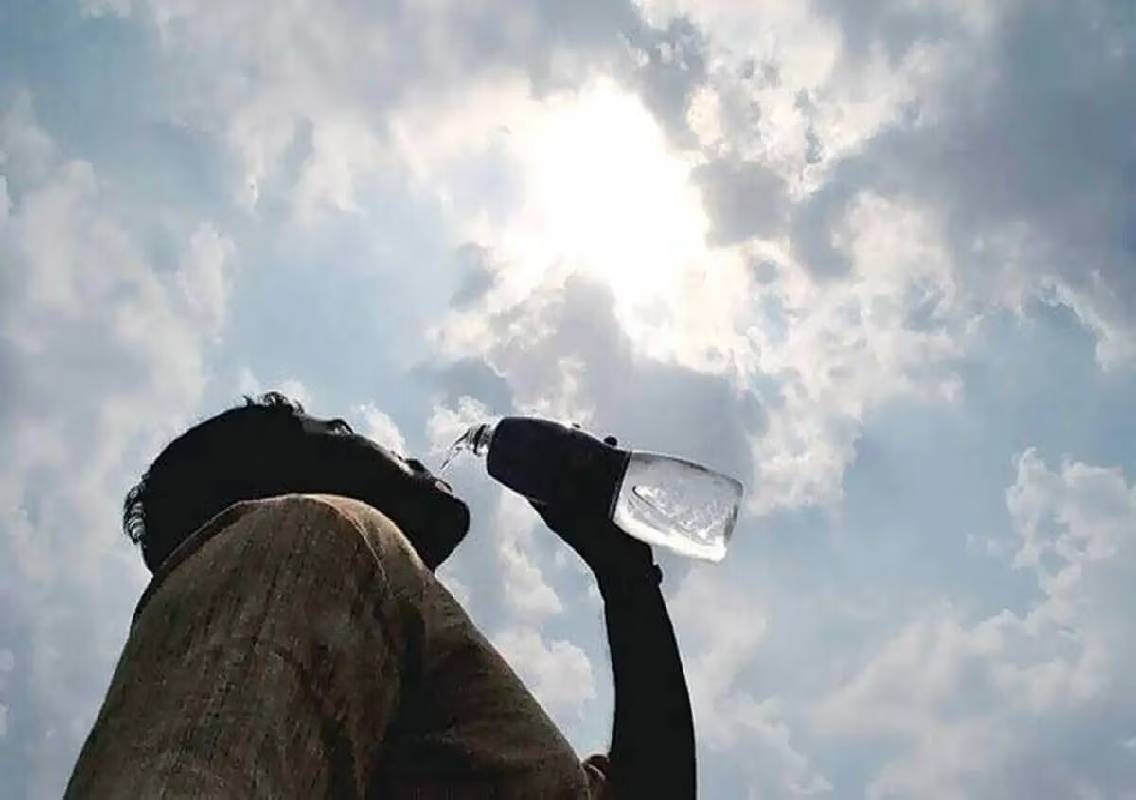


Bengaluru: Rising temperatures in the city are severely impacting vulnerable communities, with a recent study revealing that 86 per cent of waste workers have reported a decline in productivity due to extreme heat conditions.
The findings were highlighted during a talk titled “Cross-sectional impact of extreme heat” by HeatWatch founder Apekshita Varshney at a media workshop held in Bengaluru. The event was organised by the Karnataka Media Academy and Asar Social Impact.
Vulnerable workers face severe conditions
According to the study, waste workers and other outdoor labourers are among the most affected by rising temperatures, particularly during peak heat hours.
Varshney noted that 73 per cent of waste workers remain on duty between 11 am and 3 pm the hottest part of the day while 65 per cent lack access to basic rest areas. Additionally, nearly 50 per cent of dry-waste collection centres do not have essential facilities such as drinking water or electricity.
She emphasised that access to shade, water, and sanitation is critical to managing heat stress, but remains largely unavailable to these workers.
Health risks and economic burden
Extreme heat exposure is not only affecting productivity but also posing serious health risks. Apart from heatstroke, workers face long-term issues such as kidney-related illnesses.
Experts pointed out that chronic kidney disease affects around 6.3 per cent of Karnataka’s population, and treatment costs can be significant. Dialysis sessions, for instance, may cost between Rs 1,200 and Rs 1,500 per session, often required twice a week.
The financial burden of such treatments can be overwhelming for low-income families, further worsening their economic vulnerability.
Heat-related deaths underreported
Another concern raised during the discussion was the underreporting of heat-related deaths. Experts noted that fatalities caused by extreme heat are often misclassified as other medical conditions, such as heart attacks, making it difficult to track the true impact.
This lack of accurate data poses challenges for policymakers in designing effective interventions to address heat-related risks.
Poor housing worsens impact
The situation is further aggravated by housing conditions in low-income areas. Tin-roof houses, common among economically weaker sections, can reach dangerous indoor temperatures.
Experts highlighted that wet bulb temperatures inside such homes can reach 32–35°C, well above the 28°C threshold at which heat begins to severely affect human health.
As a result, families are increasingly forced to invest in cooling devices such as air coolers, adding to their financial strain.
Parks closure raises concerns
One of the key issues highlighted was the closure of public parks during peak daylight hours. According to Varshney, shaded public spaces like parks can serve as essential relief zones for outdoor workers.
“Keeping parks open is one of the simplest ways to provide shade and rest. However, many parks remain closed during the hours when they are needed the most,” she said.
The closure of such spaces has drawn criticism from citizens and experts alike, who argue that it limits access to basic heat relief measures.
Government acknowledges rising heat concerns
The workshop also featured a keynote address by Karnataka Environment Minister Eshwar Khandre, who spoke about the broader issue of rising temperatures in Bengaluru.
He linked the increasing heat levels to factors such as illegal construction and encroachment of forest lands, stressing the need for sustainable urban planning.
Call for broader accountability
Experts also pointed to gaps in private sector responsibility, raising questions about workplace safety standards for outdoor labourers.
There were calls for employers to ensure access to basic amenities and implement protective measures to safeguard workers from extreme heat exposure.
Conclusion
The growing impact of extreme heat in Bengaluru highlights a pressing public health and labour issue. With a significant portion of vulnerable workers facing declining productivity, health risks, and financial strain, experts stress the need for immediate policy interventions. Ensuring access to shade, water, and safe working conditions will be crucial as the city continues to grapple with rising temperatures.