


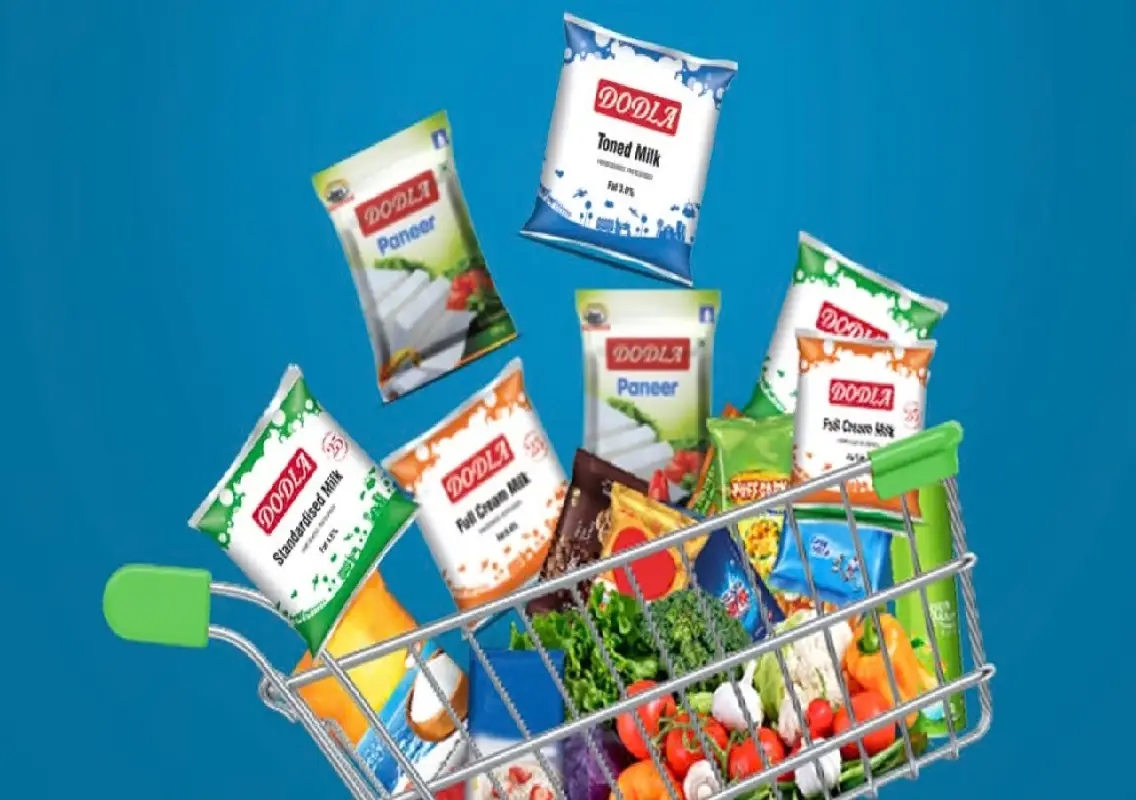


Bengaluru: The Food Safety and Standards Authority of India (FSSAI) has authorised legal proceedings against Dodla Dairy Limited after a laboratory reportedly detected detergent or caustic soda in a sample of its full-cream milk. The company also has operations in Karnataka.
According to information shared by FSSAI on its official X account, the case came to light after a milk sample failed to meet prescribed food safety and quality requirements during laboratory testing. The initial examination found that the fat content was below the minimum level stipulated under the applicable standards, leading authorities to classify the product as substandard.
The matter subsequently underwent further testing after the food business operator challenged the initial findings. A referral food laboratory reportedly confirmed the presence of detergent or caustic soda in the sample and found that its fat content remained below the prescribed minimum.
The regulator’s move paves the way for further inquiry and legal proceedings under the Food Safety and Standards Act, 2006. The findings and allegations will be subject to the applicable legal process.
Referral laboratory confirms findings
The initial laboratory examination identified a deficiency in the milk’s fat content, which did not meet the minimum requirement for full-cream milk under the applicable food safety standards.
Following the challenge to the initial findings, the sample was referred for additional analysis. The referral laboratory reportedly detected detergent or caustic soda in the milk and also confirmed that the fat content was below the required level.
The reported detection of these substances has raised concerns because milk is a widely consumed food product used by households across the country, including for children’s nutrition.
Detergents are cleaning agents, while caustic soda, also known as sodium hydroxide, is a strongly alkaline chemical. Their reported presence in a food sample warrants regulatory scrutiny, although the precise circumstances and extent of any contamination would need to be established through the relevant investigation.
FSSAI’s action reflects the regulatory process through which laboratory findings can lead to further investigation and potential legal consequences for food businesses.
Legal proceedings under food safety law
The regulator has authorised further inquiry and legal action against Dodla Dairy and other businesses associated with the manufacture and sale of the product, according to the information shared by FSSAI.
The Food Safety and Standards Act, 2006, establishes the framework for regulating food safety and quality in India. It contains provisions dealing with unsafe food and food products that fail to comply with prescribed standards.
The distinction between unsafe and substandard food is significant. A product may be classified as substandard when it does not meet specified quality requirements, while a finding that food is unsafe raises concerns about potential risks to consumers.
In this case, the reported detection of detergent or caustic soda, alongside the shortfall in fat content, has prompted action beyond the initial quality assessment.
The proceedings will determine the legal consequences, if any, for the businesses concerned. The regulator’s move should not be treated as a final judicial determination of liability.
Other food businesses also face regulatory action
FSSAI’s announcement also referred to action involving other companies over alleged food safety violations.
Legal proceedings have been initiated against Surya Food and Agro Limited, the manufacturer of Priyagold biscuits, and UEIR Organic Foods Private Limited.
The regulator has also issued notices to Narpadham Foods, Sun Ridges Health Cares and Shah Kantilal Jayantilal.
The cases involve separate businesses and alleged violations. The specific findings and potential consequences for each company would depend on the relevant proceedings and evidence.
The actions highlight the range of food products and businesses subject to regulatory oversight, from dairy products to packaged biscuits and other food items.
Importance of food safety monitoring
Milk is consumed daily by millions of households and is used in a variety of foods and beverages. Maintaining its quality is therefore an important public health concern.
Laboratory testing plays a central role in checking whether food products meet prescribed standards and identifying substances that may require further investigation. Referral testing can also provide an additional assessment when a food business challenges an initial laboratory result.
Consumers can help protect themselves by purchasing milk from reliable sources, checking packaging and expiry information, and following the storage instructions provided by manufacturers. These precautions, however, do not replace the responsibility of food businesses and regulators to ensure that products comply with safety requirements.
The action against Dodla Dairy now moves into the legal process, where the findings and applicable provisions will be examined. Further developments will depend on the outcome of the proceedings and any decisions taken by the competent authorities.