







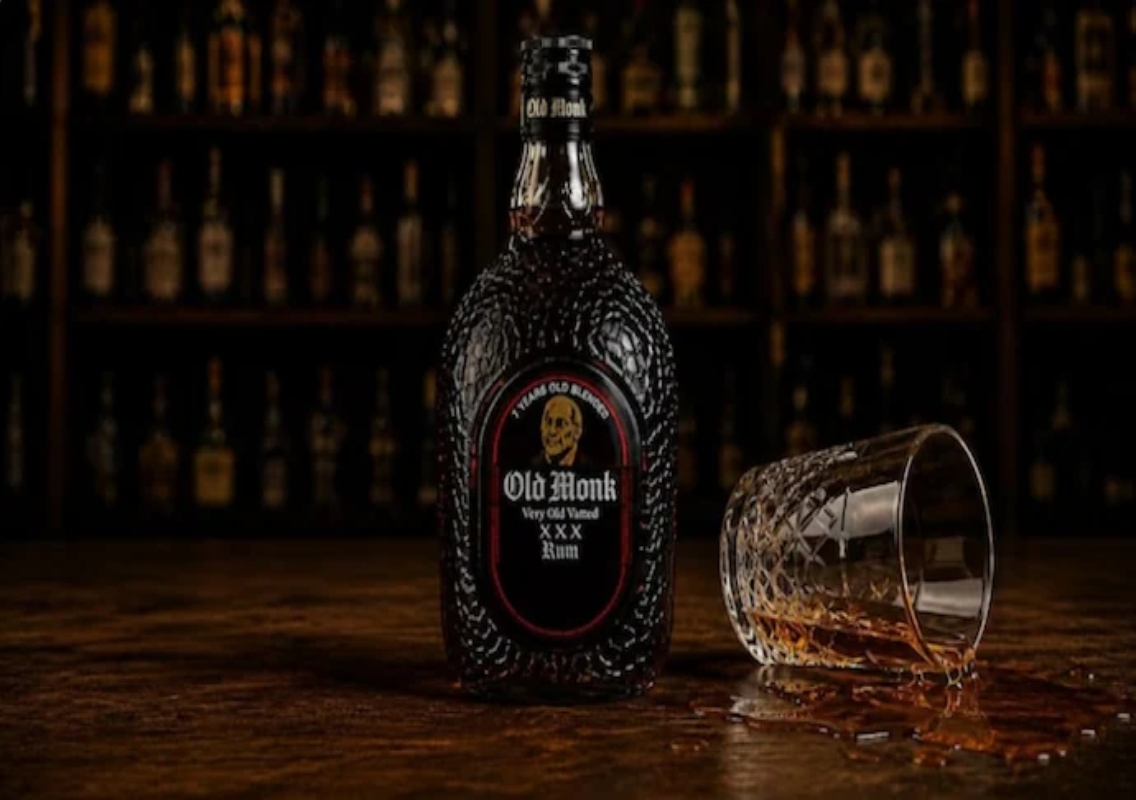


Mumbai: Old Monk’s manufacturer has told the Bombay High Court that restrictions on sales of the popular rum in Maharashtra have caused losses exceeding ₹500 crore, as the Food Safety and Standards Authority of India (FSSAI) insists that the product be labelled “rum-like” instead of “rum”.
The dispute between Mohan Rocky Springwater Pvt Ltd, the company behind Old Monk, and the food regulator centres on the spirit’s composition and the descriptions used on its packaging. The company is challenging the prohibition on sales from its Maharashtra unit, arguing that the restriction has caused significant financial damage while the product continues to be sold in other states.
During a hearing on October 12, the manufacturer also claimed that Maharashtra’s excise department had lost around ₹350 crore in revenue because of the restriction. Approximately 300 workers were reportedly left idle. The Bombay High Court has scheduled the matter for a final hearing on October 23, 2026.
Why FSSAI wants the ‘rum-like’ label
The central issue is whether Old Monk can be marketed under the conventional product name “rum” given the ingredients and flavouring used in its formulation.
FSSAI has argued that the product uses neutral spirit with added rum flavouring. According to the regulator, adding artificial or nature-identical rum flavouring can mask the underlying composition of the spirit and potentially mislead consumers if the product is sold under a standard rum description.
The regulator’s position is that such products should be appropriately identified as flavoured spirits or described using a term such as “rum-like”, rather than being presented simply as rum.
Additional Solicitor General Anil Singh, representing FSSAI, reiterated before the Bombay High Court that sales could be permitted if the manufacturer agreed to the proposed labelling change.
The dispute also involves age-related descriptions on Old Monk packaging, including “7 years old blended” and “very old vatted”. FSSAI has raised objections to these descriptions, citing alleged non-compliance with labelling requirements.
The regulator’s concerns relate to whether the product’s packaging accurately reflects its ingredients, production characteristics and claimed ageing. The legal proceedings will determine how the applicable standards should be applied in this case.
Manufacturer claims losses exceed ₹500 crore
Representing Mohan Rocky Springwater Pvt Ltd, senior advocate Venkatesh Dhond told the court that the restrictions on sales from the company’s Maharashtra unit had resulted in corporate losses exceeding ₹500 crore.
The company also submitted that the Maharashtra State Excise Department had lost approximately ₹350 crore in revenue during the period of restricted sales. Around 300 workers were said to have been left without work at the affected unit.
The manufacturer has argued that the restriction is particularly difficult to justify because Old Monk continues to be sold in other states. Its position is that the same formulation is available elsewhere, while sales in Maharashtra have been halted amid the labelling dispute.
The company’s arguments place the case at the intersection of food labelling regulation, state excise revenue and manufacturing employment. However, the financial figures cited in court are submissions made on behalf of the manufacturer and should not be treated as independently audited findings unless confirmed through further evidence.
The restrictions have also affected the company’s efforts to resume sales while the legal dispute remains unresolved.
Revised labels fail to resolve the dispute
The manufacturer had earlier attempted to address FSSAI’s concerns by submitting revised draft labels. The proposed changes included removing the disputed age-related descriptions and prominently disclosing the presence of “added flavour”.
However, the revised labels were not approved by the regulator, and discussions between the two sides failed to produce an agreement.
With negotiations unable to resolve the issue, the company asked the High Court to hear its challenge on merits. The court agreed to take up the matter for a final hearing.
In earlier proceedings, the High Court had declined to grant an immediate interim stay on the prohibition. This meant the company did not receive immediate relief that would allow it to resume sales while the dispute was being considered.
The next hearing is expected to examine the competing arguments about the product’s formulation, the labelling requirements and the basis for the restriction.
Questions over the Maharashtra restriction
The manufacturer has highlighted the difference between the treatment of Old Monk in Maharashtra and its continued availability in other states. The argument raises questions about the application of food safety and labelling rules across different markets.
The company has also maintained that the use of neutral spirits and permitted additives should be assessed in the context of the applicable regulatory framework. FSSAI, however, has focused on whether the product’s name and packaging could create a misleading impression about its composition.
The dispute is not simply about changing a word on a bottle. It involves how alcoholic beverages made with neutral spirit and added flavouring should be categorised and described to consumers.
The proceedings may therefore have implications beyond Old Monk if the court’s examination clarifies how the relevant standards apply to similar products. Any wider impact will depend on the court’s findings and the applicable rules, rather than on assumptions about the outcome of the case.
Bombay High Court to hear case on October 23
The Bombay High Court is scheduled to hear the manufacturer’s challenge on October 23, 2026. Until then, the disagreement over the product description and the restrictions on sales remains unresolved.
The company is seeking relief from the prohibition, while FSSAI has maintained its position that the product should not be sold under the conventional rum label without the required change.
The outcome will depend on the legal arguments and evidence presented before the court. For now, the claimed corporate losses, the estimated shortfall in state excise revenue and the reported impact on workers underline the financial stakes of the dispute, while the regulator’s position centres on product classification and accurate consumer labelling.