







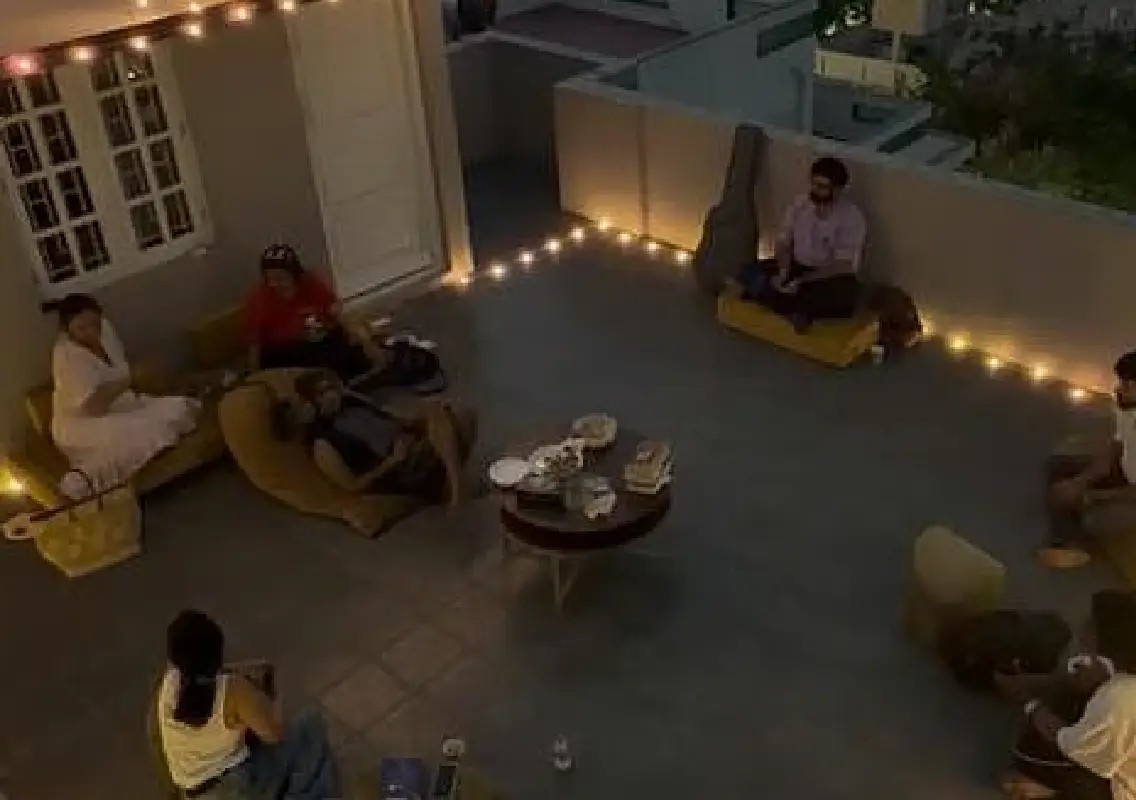


On weekends across Bengaluru, strangers are gathering in terraces, cafés, bookstores and creative corners of the city to build something many urban lives lack — genuine connection.
These small interest-based groups, often called microcommunities, are helping residents bond through books, games, art, skating and meaningful conversations.
Small groups, real belonging
Unlike large commercial events, these gatherings focus on intimacy rather than scale. A 10-person sharing circle in Indiranagar, a reading session in HSR Layout, or a board game meet-up can become a safe space for friendship.
With many people moving to Bengaluru for work, several arrive without established social circles. For many, weekends can feel repetitive and lonely.
Microcommunities are increasingly filling that emotional gap.
Safe spaces to open up
Community organisers say smaller groups help people feel seen and heard. In close-knit gatherings, participants often speak more freely, share stories and build trust faster than in crowded settings.
Mental health experts note that regular social recognition and human connection can reduce loneliness, anxiety and emotional stress.
Some spaces encourage anonymous sharing, while others welcome casual participation without pressure.
More than hobbies
What begins as a book club, game night or skating session often grows into an informal support system.
Members return not only for the activity, but for the comfort of familiar faces and emotional support. Some communities remain connected online even after physical venues close.
These spaces are also flexible — no rigid agendas, no forced networking, and no expectation to “fit in”.
Bengaluru’s changing social culture
The rise of such groups reflects a wider shift in urban life, where people increasingly value meaningful in-person interactions over passive digital engagement.
In a fast-moving city known for traffic, work stress and migration, these communities are quietly creating belonging one conversation at a time