


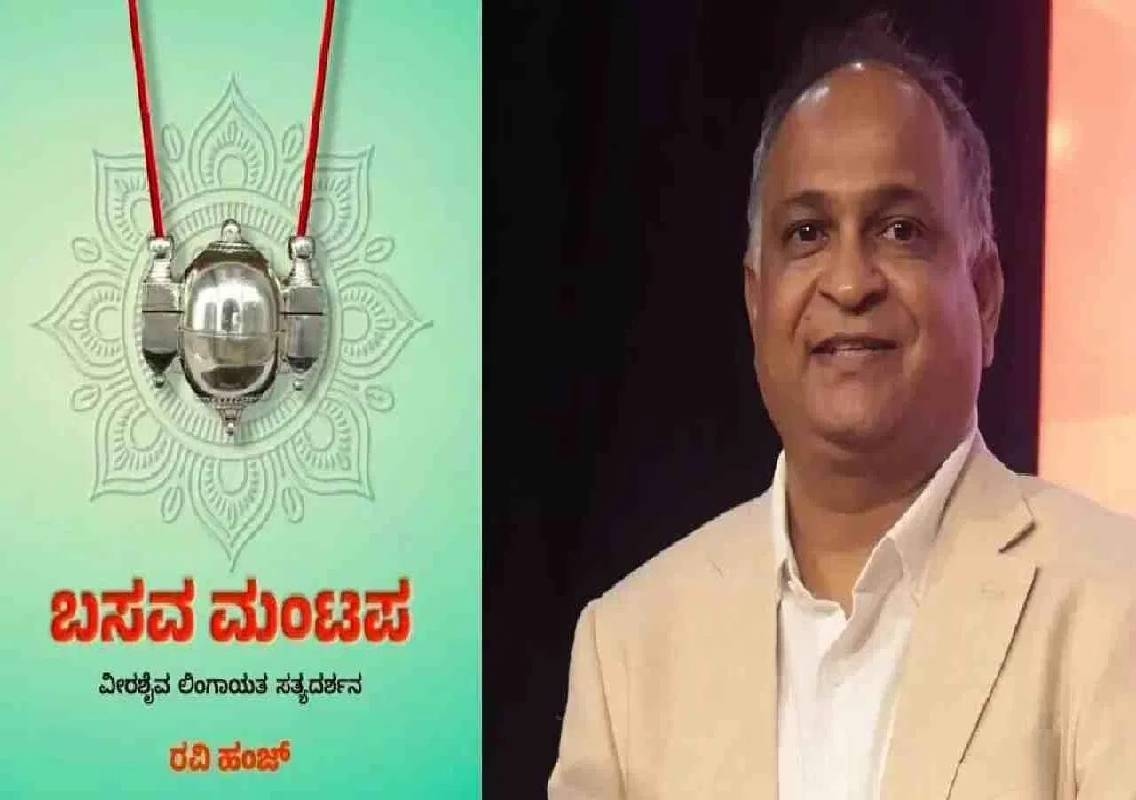


Bengaluru: The Karnataka Cabinet has approved the seizure of the controversial book Basava Mantapa, authored by Ravi Hanj, and legal action over alleged derogatory references to 12th-century social reformer Basavanna. The decision follows protests by sections of the Veerashaiva-Lingayat community over the book’s contents and statements attributed to its author.
Following the Cabinet decision, Bengaluru’s High Grounds police have registered a First Information Report (FIR) against Hanj and senior journalist Vishweshwar Bhat, who is associated with the publication of the book. The case was registered based on a complaint submitted by Basava Samiti president Aravind Jatti.
The controversy has drawn reactions from political leaders and organisations representing the Basava and Veerashaiva-Lingayat communities, with demands for action against those responsible for the alleged remarks.
Cabinet approves confiscation of the book
The Cabinet approved the confiscation of copies of Basava Mantapa and legal action against its author, Ravi Hanj. Karnataka Minister Eshwar Khandre announced the decision following the Cabinet meeting on Thursday.
Khandre said the Cabinet had also discussed removing videos containing Hanj’s alleged derogatory remarks about Basavanna from social media platforms. It agreed to write to the Union Government seeking action in this regard.
Deputy Chief Minister G. Parameshwara and several Cabinet colleagues, including M.B. Patil, Sharan Prakash Patil, S.S. Mallikarjun, Basavaraj Rayareddy and K.H. Muniyappa, reportedly supported the proposal. Chief Minister D.K. Shivakumar approved the decision, according to the statement issued by Khandre. PTIFeed+1
Complaint alleges objectionable references to Basavanna
In his complaint to the High Grounds police, Jatti alleged that the book portrays Basavanna as a murderer and a thief and distorts the word ‘Lingayat’ as ‘Lingahata’.
The complaint also alleges that the publication contains objectionable references to the Lingayat community and certain religious leaders. Jatti claimed that the statements could hurt the sentiments of Basavanna’s followers and create divisions within society.
He sought criminal action against Hanj for allegedly making inflammatory remarks and against Bhat for allegedly promoting or encouraging the views.
The allegations are the basis of the complaint and police case; they have not been established through a judicial finding.
FIR registered under four provisions of BNS
The High Grounds police have registered the case under Sections 192, 196(1), 353(2) and 299 of the Bharatiya Nyaya Sanhita (BNS).
The provisions invoked relate to alleged conduct that could disturb public order, promote enmity between groups, spread statements with potential public consequences and deliberately outrage religious feelings.
The police will investigate the allegations and examine the material cited in the complaint. The registration of an FIR does not establish the guilt of the accused.
Book and statements trigger protests
Hanj, who is based in Chicago in the United States, has written about Basavanna’s birth, life, social background and Vachana literature in Basava Mantapa. The book reportedly brings together columns he had written for the Kannada newspaper Vishwavani over the past one to two years.
The controversy intensified after the book’s release in Bengaluru on November 15 and subsequent discussions about its contents and remarks attributed to the author in interviews and media programmes.
One of the principal objections concerns a passage that allegedly attributes responsibility for King Bijjala’s murder to Basavanna. Members of the community have also objected to the alleged portrayal of the social reformer as a thief and murderer.
The Basava Samiti and sections of the Veerashaiva-Lingayat community have demanded that the government seize the publication and initiate legal proceedings against those involved.
Basavanna’s legacy at centre of debate
Basavanna is widely recognised for his 12th-century social and religious reform movement and his teachings on equality, dignity of labour, social justice and human values. His Vachanas remain an important part of Karnataka’s literary and cultural heritage.
The controversy has prompted criticism from leaders across political parties. Several political representatives have condemned the alleged remarks and called for action, while community organisations have urged the government to protect Basavanna’s legacy.
With the Cabinet approving the seizure of the book and police registering an FIR against the author and publisher, the issue has moved from public protests to formal government and legal proceedings. The investigation will determine the next course of action in the case.