







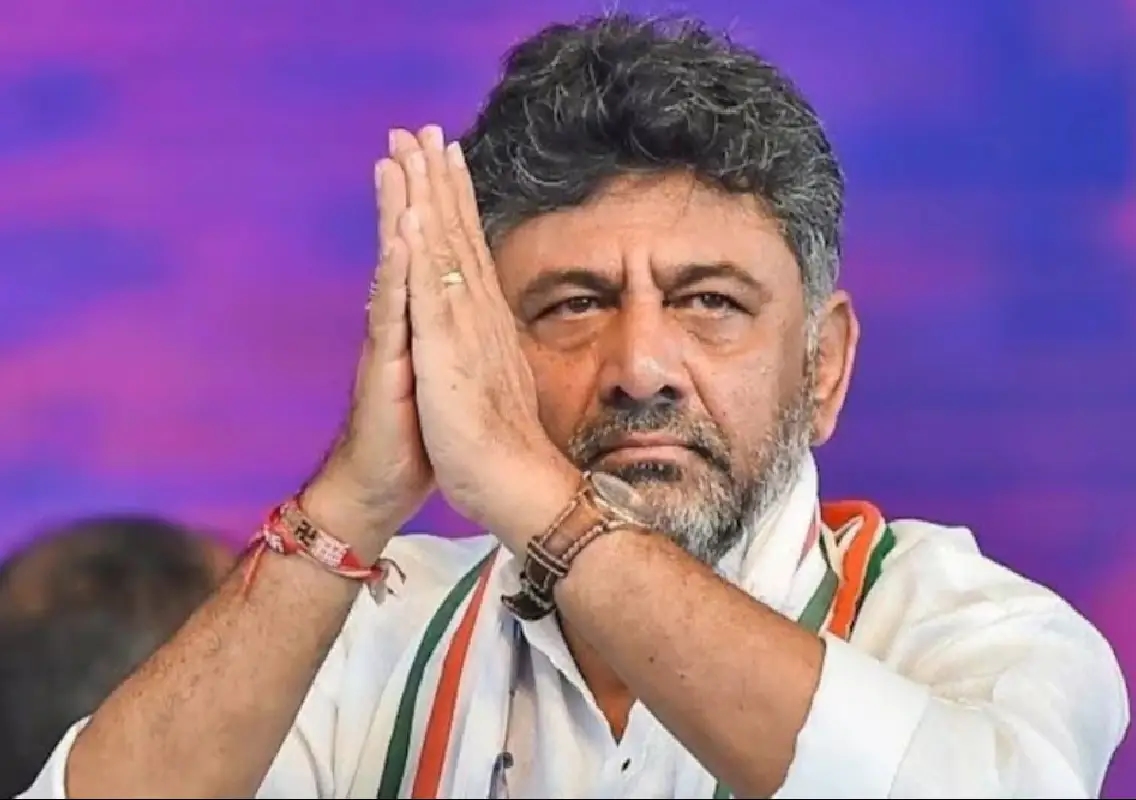


Bengaluru: The Karnataka cabinet has approved the withdrawal of 60 criminal cases filed against a wide range of groups, including farmers, Dalit activists, pro-Kannada organisations, pro-Hindu activists, and others. The cases were registered across different police stations in the state over the past decade and involved incidents ranging from protests to communal skirmishes.
High-profile cases withdrawn
Among the cases being withdrawn is one of the most prominent from 2019, when supporters of Deputy Chief Minister D K Shivakumar were booked for stone-pelting buses and government offices in Kanakapura after his arrest by the Enforcement Directorate.
Another involves a 2012 case against followers of Shivakumar’s brother and former Bangalore Rural MP D K Suresh, who had gheraoed the then chief minister after being excluded from a ceremony to garland B R Ambedkar’s statue.
The decision also includes the 2019 Chittapur stone-pelting incident, triggered after police seized cattle based on a tip-off from Hindu activists. Additionally, skirmishes during Ganesha processions in Ramanagar, Koppal and other districts, which had been taken up on the recommendation of a former BJP minister, are part of the list.
Farmer and Dalit activists covered
Several cases against farmer and Dalit activists that arose during state-wide agitations are also set to be withdrawn. According to government sources, the decision was taken following recommendations made to ease tensions and close politically sensitive matters.
BJP calls move ‘abuse of power’
The opposition BJP has sharply criticised the decision. Senior leader and former minister C N Ashwath Narayan said the withdrawal of cases was against the law and a misuse of authority.
“The High Court has made it clear that you cannot misuse or abuse your power to withdraw cases. The government should understand that High Court judgments prevent them from doing this. They are going against the law of the land,” Narayan said.
He argued that those accused should face trial and prove their innocence in court instead of having cases withdrawn for political reasons. “This is not fair. They are working for themselves, not for the welfare of others. This is being done to support their leader and for personal fights,” he alleged.
Legal backdrop and next steps
Legal experts point out that while governments can recommend case withdrawals under Section 321 of the Code of Criminal Procedure, the final decision rests with the courts. The High Court has previously cautioned against arbitrary withdrawals, particularly in politically sensitive cases.
The government is expected to submit its recommendations to the respective courts, where public prosecutors will formally move for withdrawal. The judiciary will then examine whether dropping the charges serves the larger public interest.
Conclusion
The move by the Congress-led Karnataka government is likely to trigger a legal and political battle in the coming weeks. While officials argue that the withdrawals will help ease tensions and close dated cases, the BJP insists that the decision undermines the rule of law and is aimed at protecting party leaders and their supporters.