


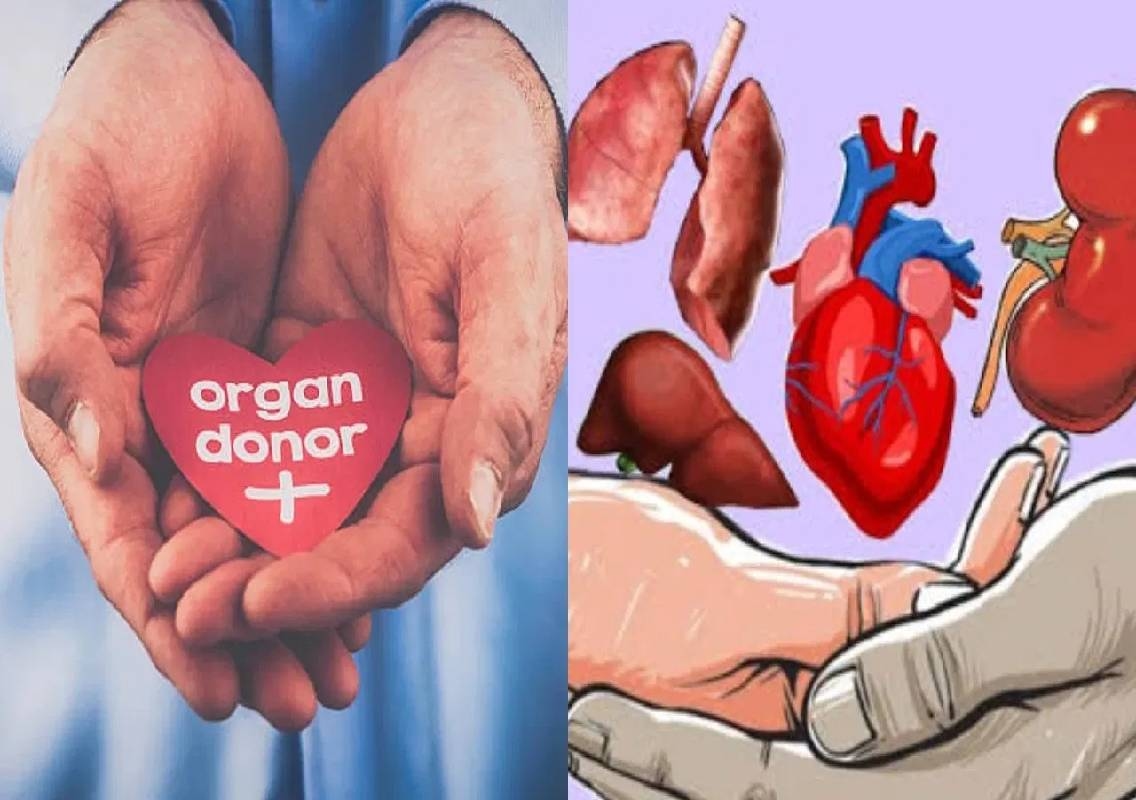


BENGALURU: Karnataka is planning to strengthen its organ donation and transplantation network, with 6,291 patients reported to be waiting for organ transplants across the state. The Health Department has proposed a long-term strategy to improve public awareness, strengthen hospital infrastructure and streamline organ retrieval and allocation.
The plans were discussed at a progress review meeting of the State Organ Transplant Advisory Committee chaired by Health Minister U.T. Khader. The committee decided to form an Organ Transplant Visionary Committee under Dr Nagesh, director of the Institute of Gastroenterology Sciences and Organ Transplant (IGOT), to recommend measures to improve deceased-organ donation.
District hospitals to play a greater role
One of the key priorities is to strengthen brain-death certification and organ retrieval facilities at district hospitals and government medical colleges. Better facilities and coordination could help identify potential deceased donors and reduce delays in the donation process.
Brain-stem death must be established and certified by qualified medical professionals in accordance with prescribed medical and legal procedures. Organ retrieval can proceed only when the required conditions are met and consent is obtained from the family.
Expanding the role of district-level hospitals is expected to help extend organ donation efforts beyond major urban centres. A significant share of Karnataka’s donations has traditionally come from Bengaluru and nearby areas, highlighting the need to strengthen facilities and awareness in other districts.
Government hospitals may expand transplant services
The proposed strategy also includes expanding organ transplantation facilities in government hospitals. Improving access to transplant services in the public healthcare system could help more patients receive treatment closer to their homes and reduce the pressure on a limited number of specialised centres.
The committee is also expected to examine the renewal of registrations for transplant centres whose approvals have lapsed. Maintaining valid registrations and ensuring that facilities meet regulatory requirements are important for safe and properly coordinated transplantation services.
New software planned for organ allocation and tracking
The Health Department is planning an early launch of new software to support organ allocation and tracking. The proposed system is intended to improve the management of transplant-related information and coordination among hospitals and authorities.
Reliable, up-to-date records are important for administering waiting lists and ensuring that organs are allocated according to applicable rules, medical suitability and established priority criteria. The software is among the measures identified for implementation; its planned introduction does not mean it is already operational.
Thousands remain on the waiting list
The reported figure of 6,291 patients awaiting transplants highlights the continuing gap between the need for organs and their availability. Kidney and liver transplants account for a substantial share of demand, while patients requiring other organs also depend on timely access to suitable donors.
Waiting periods vary according to the organ required, blood-group compatibility, medical urgency, the availability of a suitable donor and the applicable allocation rules. The waiting periods of around five years for kidney transplants and four-and-a-half years for liver transplants cited in the supplied report should be treated as estimates, as waiting times can vary across patients and centres.
Awareness and donor recognition in focus
Public awareness is another priority under consideration. Proposed initiatives include campaigns featuring Kannada film actresses and programmes to honour organ donors. The aim is to help people understand the donation process, address misconceptions and encourage families to discuss organ donation.
Karnataka’s Jeeva Sarthakathe programme coordinates the state’s organ and tissue donation efforts. Strengthening its implementation, improving hospital-level coordination and supporting trained professionals who counsel families could help convert more potential donations into transplants.
The proposed committee is expected to recommend a coordinated approach covering awareness, infrastructure, hospital registrations and technology. The state’s challenge will be to translate these plans into effective services and improve access to life-saving transplants for patients across Karnataka.