







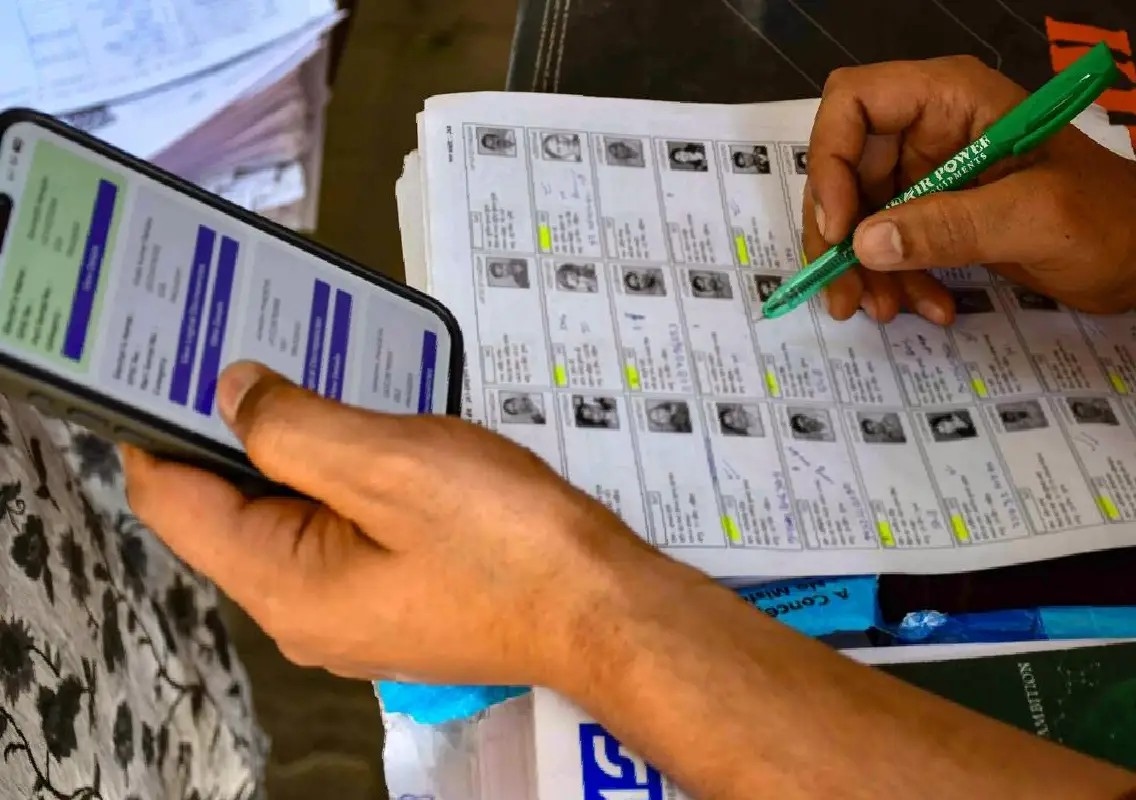


Karnataka’s upcoming Special Intensive Revision (SIR) of electoral rolls has sparked debate among activists, citizens and election observers, with questions being raised about transparency and the possibility of eligible voters being excluded from the process.
The revision exercise, scheduled to begin on June 26, comes after the completion of a statewide booth-level voter mapping initiative. The exercise involves linking voters registered in 2025 with entries from the 2002 electoral rolls through a process known as family tree or progeny mapping.
Concerns over transparency
While election officials say the objective is to remove duplicate, deceased and migrated voters from electoral rolls, critics argue that public confidence depends on greater transparency throughout the process.
Urbanist Ashwin Mahesh has stressed that trust must be built through openness, noting that limited access to voter-roll data has fuelled concerns among citizens and civil society groups. Activists also point to past voter-roll revision exercises that faced implementation challenges despite similar objectives.
Previous controversies, including the Chilume voter data collection case and large-scale voter deletions reported before the 2013 Assembly elections, have added to public scepticism.
Progress and challenges
Officials report substantial progress in voter mapping across several districts. Mysuru has reportedly completed around 96 per cent of the exercise, while Dakshina Kannada has mapped nearly 88.6 per cent of voters. However, more than 2 lakh voters in Dakshina Kannada are yet to be mapped.
Booth-Level Officers (BLOs) say the task remains challenging, particularly when trying to reach migrant workers, urban residents and individuals hesitant to share personal documents. Many BLOs are also balancing election duties with their primary responsibilities as teachers, health workers and Anganwadi staff.
Key dates ahead
The draft electoral rolls will be published on August 5, allowing citizens to review entries and submit claims or objections until September 4. Following verification and scrutiny, the final voter list is scheduled to be released on October 7.
Observers believe the success of the exercise will ultimately depend on maintaining accuracy while ensuring that no eligible voter is inadvertently excluded from the democratic process.