







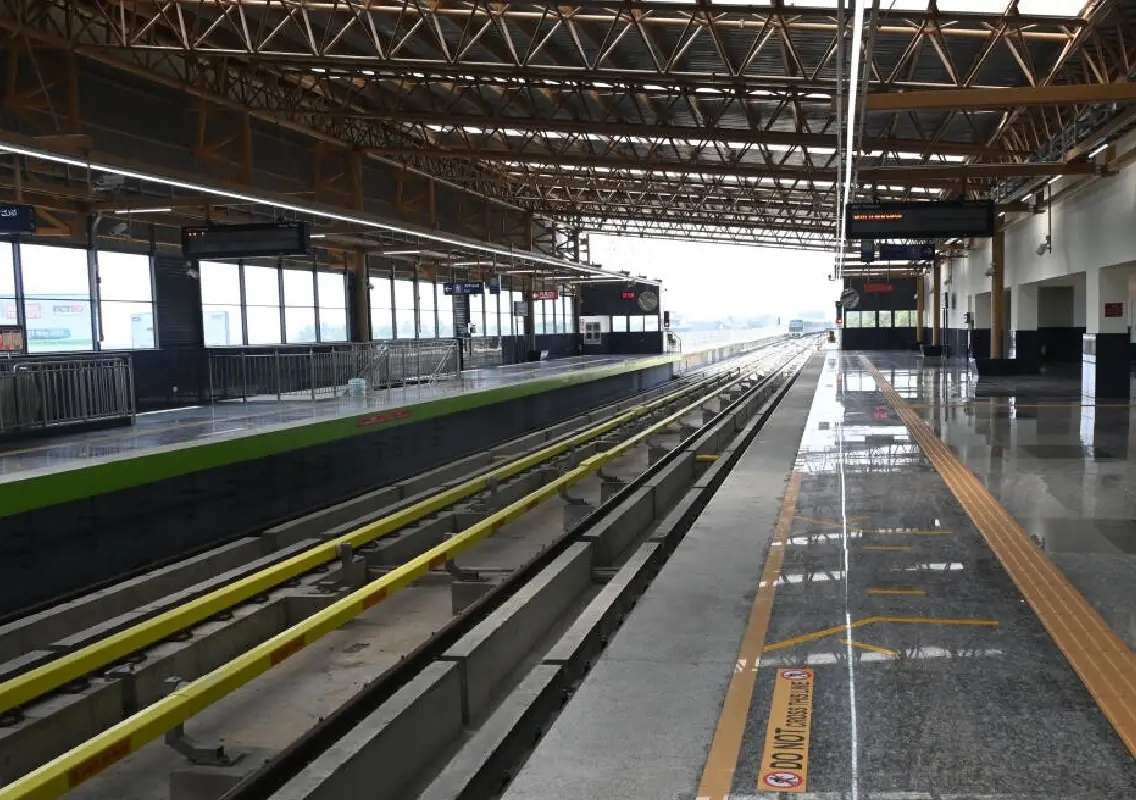


In a move aimed at boosting non-fare revenue, the Bangalore Metro Rail Corporation Limited (BMRCL) has signed a ₹40 crore agreement with Bagmane Developers to rename a key metro station along the Outer Ring Road corridor under the Namma Metro network.
As part of the agreement, the DRDO Sports Complex Metro Station will soon be rebranded with the Bagmane name. The deal, signed for a period of 20 years, reflects the growing trend of corporate participation in public transport infrastructure.
Strategic corridor gains corporate branding
The station is located on the crucial Outer Ring Road stretch between Silk Board and KR Puram, a major IT corridor in Bengaluru. This line forms part of the 19.75-kilometre route that will eventually connect to the airport corridor, making it one of the most strategic metro links in the city.
Officials stated that Bagmane Developers will pay ₹40 crore for the naming rights, with ₹20 crore already paid upfront.
Revenue model for sustainability
A senior BMRCL official noted that such partnerships are part of a broader strategy to generate additional revenue through branding and private collaborations. These funds are expected to support operational and maintenance costs of metro services.
The agreement was formally signed between BMRCL Managing Director Dr J. Ravishankar and Aditya Bagmane, representing the developer group.
Growing trend of corporate partnerships
This is not the first instance of metro station branding in Bengaluru. Several stations, including those associated with Biocon, Delta Electronics, and Prestige Group, have already been named after corporate entities.
The Prestige Group deal, reportedly valued at around ₹90 crore, set a benchmark for such agreements, encouraging more private players to participate.
More deals in pipeline
Officials confirmed that discussions are ongoing for naming rights of additional stations along the corridor, with more agreements expected to be finalised soon.
The Silk Board to KR Puram metro line is progressing rapidly and is likely to be opened for commercial operations by December this year. Once operational, it is expected to significantly ease traffic congestion along the busy Outer Ring Road.
The initiative highlights a shift towards innovative revenue models to ensure the financial sustainability of large-scale urban transport projects.