







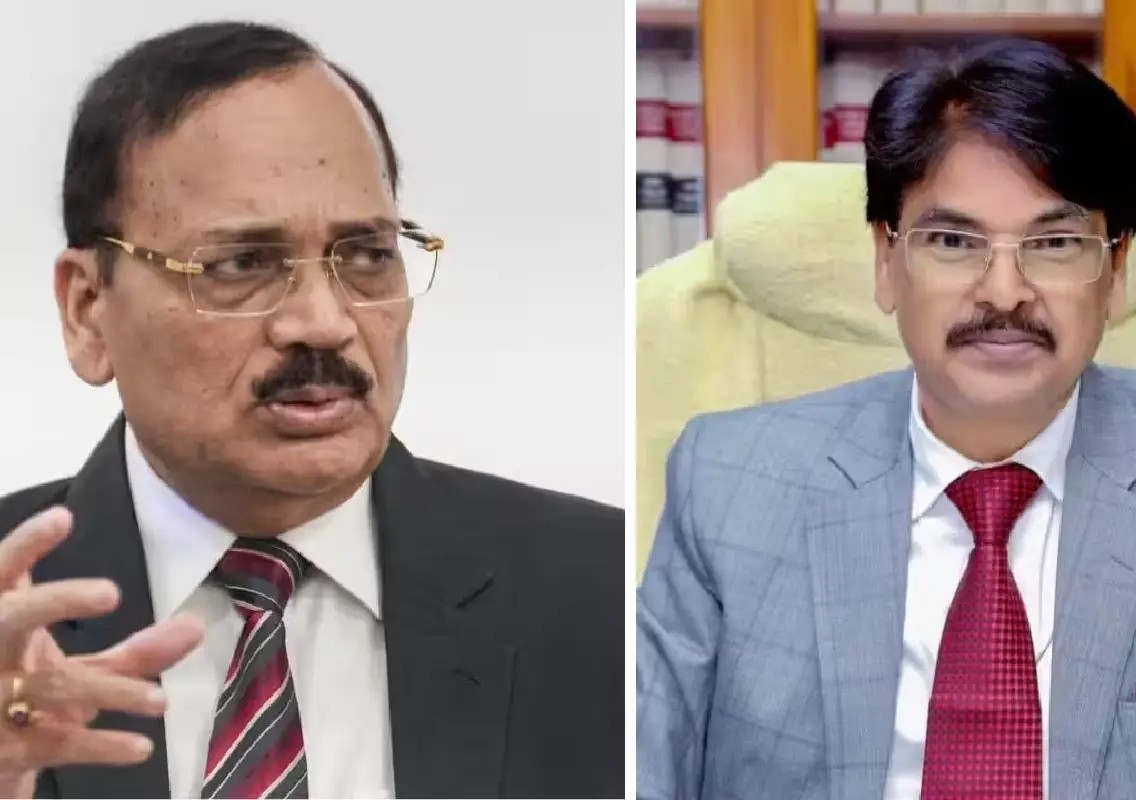


Bengaluru: Students and alumni of the National Law School of India University (NLSIU), Bengaluru, have expressed solidarity with the NALSAR University of Law community and demanded an unconditional apology from the Bar Council of India (BCI) over its recent action against the Hyderabad law university’s 2026 graduating batch.
Over 700 NLSIU members back NALSAR
The statement has been signed by 165 members of NLSIU’s graduating Class of 2026, 409 current students and 128 alumni, taking the total number of signatories to more than 700.
They criticised the BCI’s now-withdrawn decision concerning the enrolment of NALSAR graduates and said the episode raised serious concerns about students’ right to express their views. The BCI had earlier directed State Bar Councils not to enrol NALSAR’s 2026 graduates following a campaign by students opposing the invitation of Chief Justice of India Justice Surya Kant to their convocation. The order was subsequently withdrawn.
Students question BCI action
The NLSIU statement argues that the BCI’s actions were beyond its legal authority and amounted to an attack on the constitutional right to freedom of speech and expression.
The students also objected to language used by the BCI that portrayed students as being influenced or misled by outsiders. They stressed that their statement was issued voluntarily and in solidarity with the NALSAR community.
The controversy has already attracted scrutiny, with the Supreme Court questioning the BCI’s intervention in the matter.
Four demands put forward
The NLSIU community has called for an unconditional apology from the BCI to NALSAR students and faculty. It has also sought clarification on the use of official BCI letterhead by its chairman.
The signatories further expressed disapproval of BCI chairman Manan Kumar Mishra attending NLSIU’s convocation without taking responsibility for the controversy. They also called for reconsideration of Justice Surya Kant’s participation as chief guest at the NALSAR convocation.
The development has added to growing debate within India’s legal education community over student expression, institutional autonomy and the powers of professional regulatory bodies.