







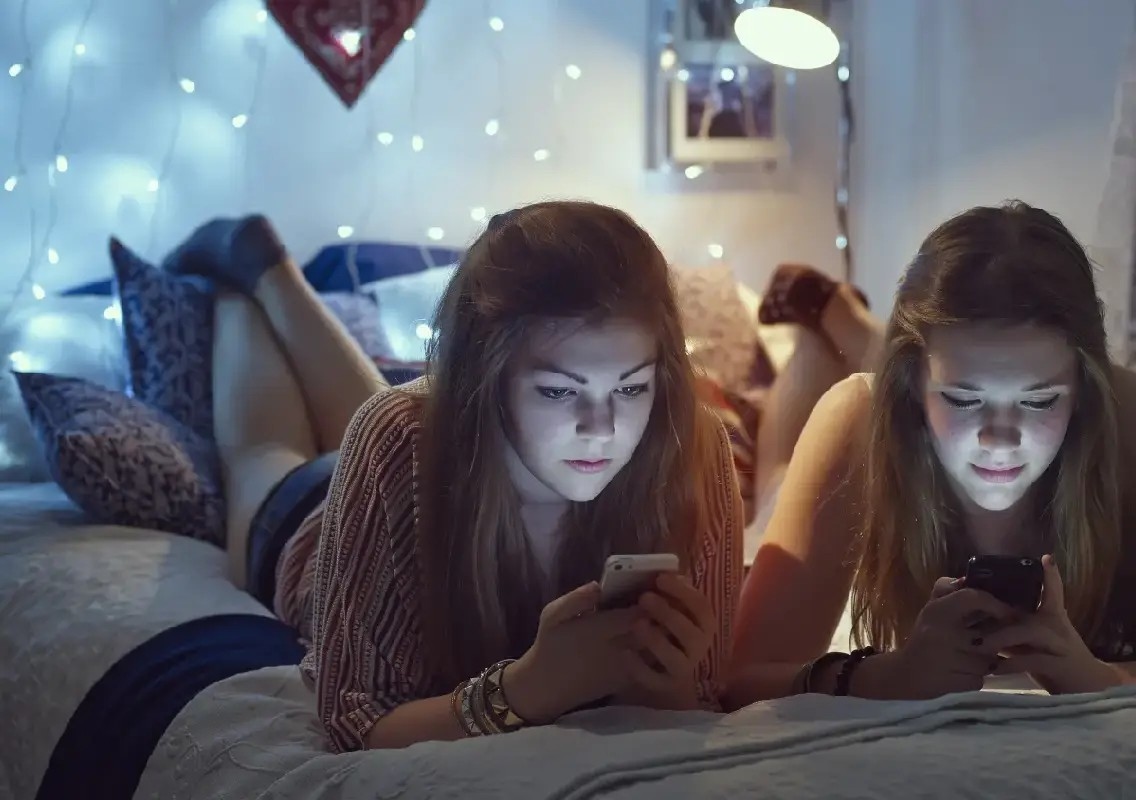


Bengaluru: The growing pressure to appear perfect on social media is taking a serious toll on the mental health of young people, with psychologists and content creators warning that unrealistic beauty standards and the constant need for online validation are fuelling anxiety, low self-esteem and body image issues.
While platforms such as Instagram, Facebook, Snapchat and TikTok offer spaces for creativity and self-expression, experts say they also encourage unhealthy comparisons that can negatively impact confidence and emotional well-being.
Chasing perfection online
Ankita, a 20-year-old biotechnology student from Bengaluru, said social media often leaves her comparing herself to edited images despite knowing they are unrealistic.
“Sometimes I know the photos are edited, but I still compare myself with them. It makes me feel like I need to look better or do more to fit in,” she said.
Merrin, a Bengaluru-based college student and micro-influencer with over 16,000 Instagram followers, said maintaining an attractive online presence comes with emotional pressure.
“People only see the final post, but they don’t see the effort, self-doubt and pressure behind it. There are days when I spend hours editing content because I worry about how people will react,” she said.
Validation culture affecting self-worth
Content creator Akshatha Gowda, who has more than 22,000 Instagram followers, said even a single negative comment can have a lasting emotional impact.
She noted that many creators begin measuring their self-worth through likes, comments and follower counts, a phenomenon psychologists describe as “validation culture.”
“Social media should be a tool for expression, not a measure of self-worth,” she said.
Experts urge healthier digital habits
Vedanti Godbole, a psychologist from Belagavi, said maintaining a balance between online and offline life is essential for good mental health.
She advised young people to limit screen time, take regular digital breaks, follow positive and realistic content, strengthen real-life relationships and remember that social media often showcases carefully edited highlights rather than everyday reality.
Global studies reinforce these concerns. The World Health Organization estimates that one in seven adolescents experiences a mental health disorder, while recent research suggests many teenagers believe social media negatively affects their body image and overall well-being.
Experts say recognising the difference between curated online content and real life is key to developing healthier digital habits and protecting mental health