




Singur: Nearly 18 years after Tata Motors abandoned its Nano car project in Singur, West Bengal, the town is back in the spotlight with a proposed truck manufacturing facility by commercial vehicle maker Ashok Leyland. Union Minister of State for Education Sukanta Majumdar announced on Saturday, November 21, that the company would set up a plant in the area, with work expected to begin soon.
The announcement has revived hopes of industrial activity at a location that became one of India’s most prominent examples of the political and economic consequences of a disputed land acquisition. It also gives the BJP-led West Bengal government an opportunity to present Singur as a potential symbol of industrial revival.
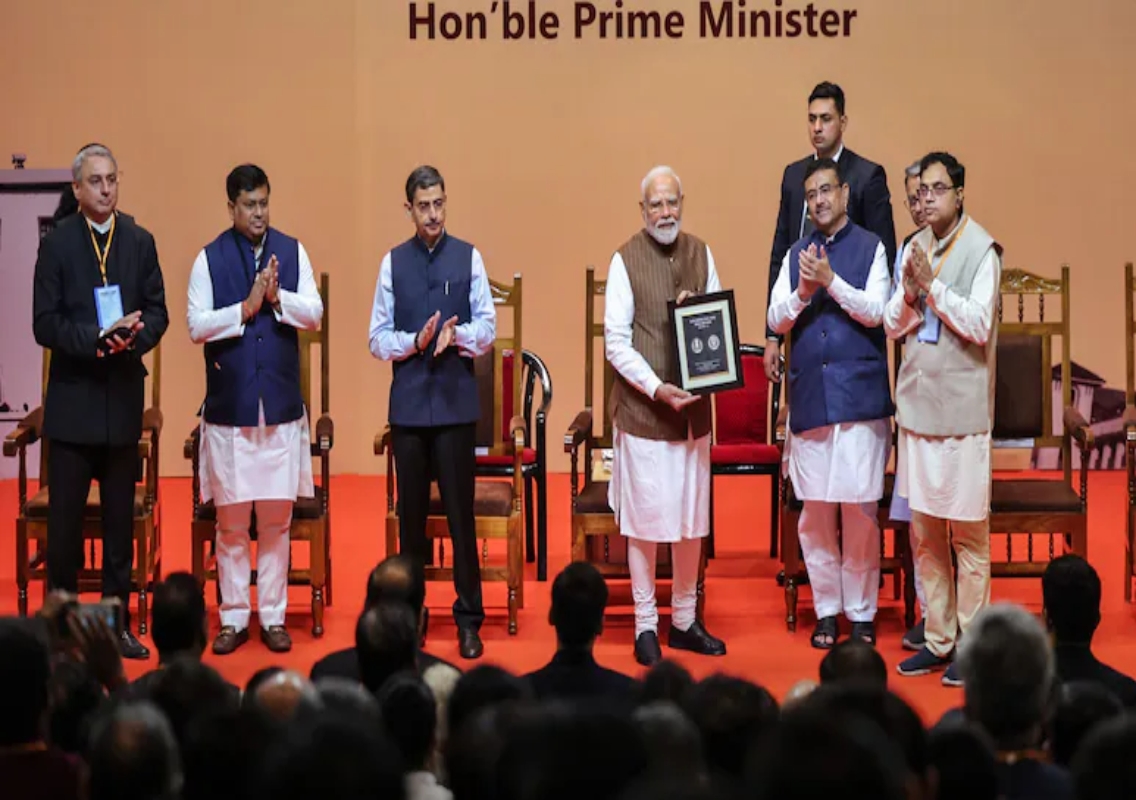
Speaking to reporters after Prime Minister Narendra Modi’s programme at IIT Kharagpur, Majumdar said the government wanted to bring industry back to Singur and reiterated that Ashok Leyland would establish a truck manufacturing facility.
“We want to bring industry back to Singur. Our chief minister has also said so. I am reiterating today that Ashok Leyland is coming to Singur. It will set up a truck manufacturing plant, and work will begin soon,” he said.
The proposed facility is expected to manufacture heavy vehicles. However, the announcement has not yet been accompanied by details about the project’s investment, production capacity, land requirements, employment potential or construction schedule. A formal company announcement or confirmation of the project terms will be important in establishing how the proposal will take shape.
Ashok Leyland proposal follows preliminary talks
Majumdar’s statement follows West Bengal Chief Minister Suvendu Adhikari’s announcement on November 5 that his government had held preliminary discussions with Ashok Leyland about establishing a heavy vehicle manufacturing unit in Singur.
Adhikari had indicated that the state wanted to bring industrial investment to the area while cautioning against premature announcements. He said the government would focus on projects that could be implemented rather than publicity-driven memorandums of understanding.
The two announcements suggest that discussions with the commercial vehicle manufacturer have progressed sufficiently for the state and Union-level BJP leadership to speak publicly about a proposed facility. However, the available information does not establish whether a final investment agreement has been signed or whether construction arrangements have been completed.
That distinction is significant. An announcement of intent is an early step in an industrial project, while actual implementation requires clarity on investment, land, approvals, infrastructure, construction and production plans.
Ashok Leyland is a major commercial vehicle manufacturer and part of the Hinduja Group. A manufacturing facility in Singur could potentially bring fresh industrial activity to the region, but its eventual economic impact will depend on the project’s scale and execution.
Why Singur remains politically important
Singur became a major political issue in West Bengal during the mid-2000s, when the then Left Front government under Chief Minister Buddhadeb Bhattacharjee pursued the establishment of a Tata Motors factory for the Nano, which was being developed as an affordable small car.
The state acquired around 997 acres of land for the proposed manufacturing project. The acquisition, which involved agricultural land, triggered protests from farmers and residents who opposed losing their land.
Mamata Banerjee, then the principal opposition leader, led a prolonged agitation against the acquisition. The movement became one of the most prominent political campaigns in the state and drew national attention to questions of farmland, compensation, consent and industrial development.
The protests continued as the dispute over land acquisition intensified. In October 2008, Tata Motors announced that it was withdrawing the Nano project from Singur and relocating the facility to Sanand in Gujarat.
The company’s decision was a major setback for the Left Front government’s industrialisation plans. It also became a defining moment in West Bengal politics, with the Singur agitation strengthening Banerjee’s political position ahead of the 2011 Assembly elections.
Tata Nano’s exit changed Bengal’s political landscape
The Singur movement contributed to the political momentum that helped Banerjee’s Trinamool Congress defeat the Left Front in the 2011 West Bengal Assembly elections. The Left Front’s 34-year rule came to an end, and Banerjee became chief minister.
After taking office, her government moved to return land to farmers who had opposed the acquisition. The dispute over the legality of the original land acquisition eventually reached the Supreme Court.
In August 2016, the Supreme Court set aside the acquisition for the Tata Motors project and directed the state government to return the land to the affected landowners within a specified period. The judgment was a landmark development in the long-running Singur dispute.
The abandoned factory infrastructure was subsequently dismantled, and the proposed Nano manufacturing hub did not materialise.
The political legacy of the episode has remained significant. For critics of the Left Front, Singur became an example of the consequences of pursuing industrial projects without adequately addressing landowners’ concerns. For those arguing that West Bengal lost major investment opportunities, the withdrawal became a symbol of the state’s difficulties in attracting large manufacturing projects.
BJP seeks to make industrial revival a political message
The proposed Ashok Leyland facility gives the BJP an opportunity to revisit that history from a different political perspective. The party can present a potential manufacturing investment in Singur as evidence that industrial development is possible at a location associated with the collapse of the Nano project.
Majumdar also criticised successive state governments for what he described as missed opportunities in industrial development. Referring to the semiconductor sector, he argued that West Bengal could have occupied a stronger position in the industry.
“Taiwan is where it is today in the semiconductor industry, a position we could have occupied. The opportunity had come to us earlier, but the government of that time opposed computers, and consequently the semiconductor industry did not come up,” he said, targeting the former Left Front government.
He also criticised the Trinamool Congress government, accusing it of failing to turn its industrialisation promises into concrete projects.
These remarks place the Ashok Leyland proposal within a wider political argument about West Bengal’s industrial trajectory. The BJP government is seeking to contrast its investment ambitions with the record of previous administrations, while using Singur’s history to underline the importance of attracting manufacturing companies.
However, the political significance of the announcement should not be confused with the project’s current level of completion. The public statements so far do not provide enough information to assess the scale of the proposed investment or the number of jobs it could generate.
Land and implementation will be key questions
Any new industrial project in Singur will inevitably be viewed in the context of the earlier Tata Motors controversy. The central question will be how the proposed facility secures land and proceeds with construction while addressing the concerns of local landowners and residents.
The 2016 Supreme Court judgment and the subsequent return of land make the legal and practical arrangements particularly important. The government and the company will need to clarify the proposed site, land availability, ownership arrangements and any required permissions.
The absence of an announced investment figure also means that the project’s potential contribution to the local economy cannot yet be quantified. Employment estimates, supplier opportunities and the likely impact on businesses in the surrounding area will become clearer only when the company or government releases detailed project information.
A truck manufacturing plant could create opportunities beyond direct factory employment, depending on its production scale and supply-chain requirements. These may include logistics, component suppliers, maintenance services and other businesses connected to commercial vehicle manufacturing. Such benefits, however, remain potential outcomes rather than confirmed commitments.
From announcement to an operating factory
Ashok Leyland’s proposed entry into Singur has revived a debate that has shaped West Bengal’s industrial and political landscape for nearly two decades. The prospect of a truck manufacturing plant offers the state an opportunity to bring a major manufacturing project to a location that has long been associated with the Tata Nano withdrawal.
For the BJP government, the announcement carries political value as it seeks to position Singur as a possible example of industrial revival. For residents, the more immediate questions concern investment, employment, land arrangements and the actual start of construction.
The proposal will be judged not only by the announcement but by what follows. A formal agreement, a clearly identified site, disclosed investment commitments and a credible construction schedule would provide stronger evidence that the project is moving forward.
Nearly 18 years after Tata Motors left Singur, the town has another opportunity to attract a major vehicle manufacturing project. Whether it becomes a lasting industrial success will depend on turning the latest announcement into a functioning factory.