







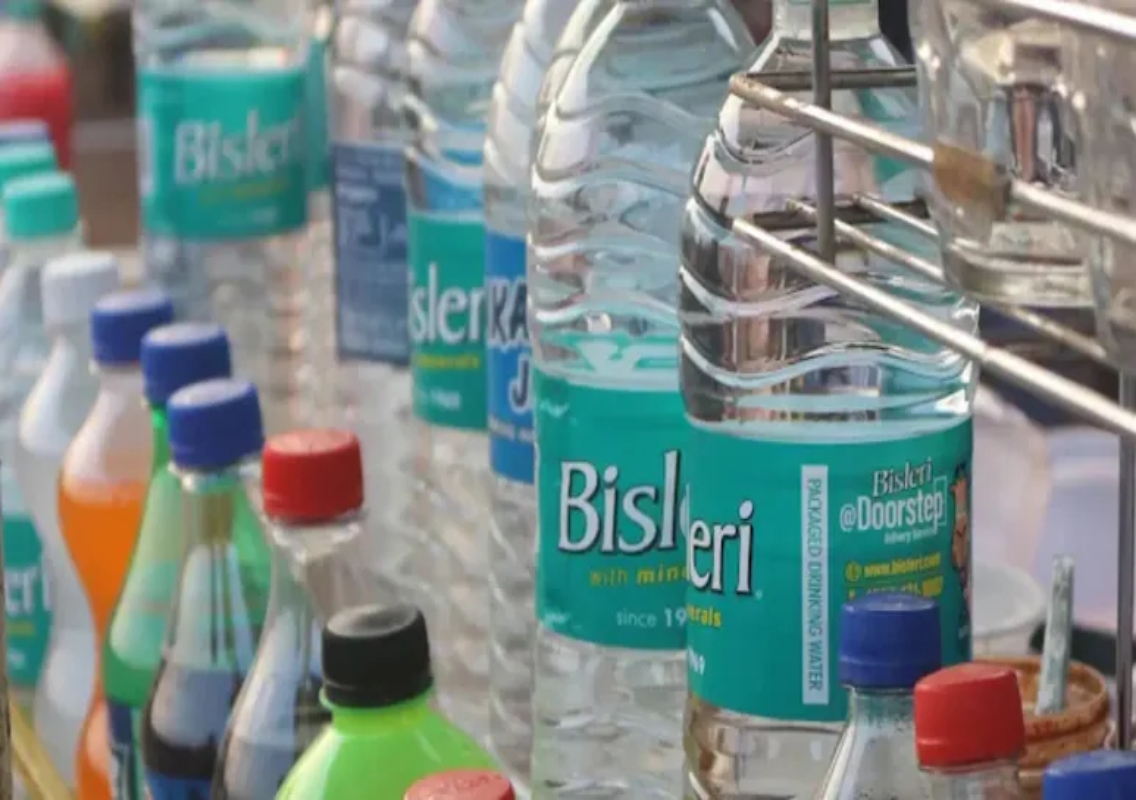


JALPAIGURI: Packaged drinking water company Bisleri International is facing fresh regulatory action after a sample collected from its manufacturing facility in West Bengal tested positive for coliform bacteria. The Food Safety and Standards Authority of India (FSSAI) has sanctioned prosecution against the company over alleged violations of food safety regulations.
The latest development marks the second instance of prosecution proceedings being sanctioned against Bisleri within a week, following a separate case involving a water sample from its Goa facility.
According to sources cited by news agency PTI, the West Bengal sample was collected from Bisleri’s manufacturing plant in Telipara village in Jalpaiguri district. Laboratory examinations confirmed the presence of coliform bacteria, raising concerns about the quality and safety of the affected batch.
The findings were reportedly confirmed by both the primary laboratory and the referral food laboratory. Following the test results, the food regulator had prohibited the sale of a specific batch of the product on August 12, 2026.
The latest action comes amid increased scrutiny of packaged drinking water manufacturers across the country, with food safety authorities intensifying inspections and sample testing.
Coliform bacteria detected in Bisleri water sample
The controversy centres on a sample of Bisleri packaged drinking water collected from the company’s facility in Telipara village, Jalpaiguri district.
According to officials cited in reports, laboratory testing detected coliform bacteria in the sample. The findings were subsequently confirmed by a referral laboratory, strengthening the basis for regulatory action.
Coliform bacteria are a group of microorganisms commonly used as indicators of possible contamination in water and food products. Their presence in drinking water can indicate problems with sanitation or water treatment processes.
Such bacteria can enter water systems through several routes, including sewage leaks, damaged pipelines and contaminated infrastructure.
The detection of these microorganisms in packaged drinking water is a significant food safety concern because consumers expect bottled water to meet prescribed quality and hygiene standards.
The confirmation by two laboratories was an important factor in the regulatory proceedings against Bisleri International.
FSSAI prohibits sale of specific batch PB 201
Following the laboratory findings, the FSSAI prohibited the sale of a particular batch of Bisleri packaged drinking water bearing batch number PB 201.
According to sources, the restriction was imposed on August 12, 2026, after the initial and referral laboratory examinations confirmed the presence of coliform bacteria.
The action was limited to the identified batch and should not be interpreted as a blanket prohibition on all Bisleri products.
The regulator has now sanctioned prosecution against Bisleri International for alleged violations of food safety requirements.
Prosecution sanction allows the relevant legal proceedings to move forward under the provisions of the Food Safety and Standards Act, 2006.
The development places the company under additional regulatory scrutiny, particularly as the food safety authority is examining quality standards across the packaged drinking water industry.
Second prosecution action follows Goa water sample controversy
The West Bengal case comes shortly after the FSSAI initiated similar legal proceedings against Bisleri International over a sample collected from one of its manufacturing facilities in Goa.
In the Goa case, the regulator reported that a packaged drinking water sample did not comply with the prescribed bromate limits and was declared unsafe under the Food Safety and Standards Act, 2006.
Bromate is a chemical compound that can be present in water under certain treatment conditions. Its concentration is regulated because excessive exposure can pose potential health risks.
Bisleri reportedly challenged the initial findings and appealed against the laboratory assessment. Following the appeal, the sample was sent to a referral food laboratory for further examination.
However, the referral laboratory also classified the sample as unsafe after detecting polynuclear aromatic hydrocarbons (PAHs).
PAHs are a group of chemical compounds that can enter the environment through various industrial and combustion-related processes. Certain compounds in this group are associated with serious health risks.
The findings prompted the FSSAI to approve prosecution proceedings against the company in the Goa matter as well.
The two cases involve different manufacturing locations and different reported quality concerns. The Goa case relates to chemical contamination findings, while the West Bengal case involves the detection of coliform bacteria.
Bisleri maintains its products are safe
Responding to the regulatory developments, Bisleri International maintained that its packaged drinking water products are safe for consumption.
The company stated that consumer safety remains a priority and that it would cooperate with the FSSAI to address the concerns through the appropriate regulatory process.
Bisleri also highlighted its quality-control procedures, stating that it conducts more than 90 quality checks as part of its 10-step manufacturing process.
The company’s position comes amid questions about the laboratory findings and the regulatory action involving samples from its manufacturing facilities.
It is important to distinguish between the findings concerning specific samples and the safety status of the company’s entire product range. The West Bengal action specifically concerns batch PB 201, and the reported findings do not establish that every Bisleri bottle or manufacturing facility has failed safety tests.
Responses from the company and the regulator regarding the latest West Bengal case were not immediately available to PTI at the time of its report.
FSSAI intensifies nationwide packaged water inspections
The latest developments are unfolding as the FSSAI steps up its surveillance of packaged drinking water and mineral water manufacturers across India.
FSSAI Chief Executive Officer Rajit Punhani recently indicated that the authority was collecting samples from different parts of the country to assess compliance with prescribed food safety standards.
The regulator expects laboratory testing of the collected samples to be completed within one to two months.
The expanded inspection drive is intended to identify manufacturers and products that do not meet the required quality standards.
The scrutiny is not restricted to Bisleri. Several major packaged drinking water brands and manufacturers are expected to come under regulatory checks as part of the wider exercise.
The food safety authority is also strengthening its enforcement activities and has directed officials to improve surveillance, inspections and sample collection.
Packaged drinking water is a major consumer product in India, with millions of people relying on bottled water while travelling, working and living in urban areas.
Maintaining quality throughout the manufacturing, purification, packaging and distribution processes is therefore essential.
The regulator’s increased attention reflects the importance of ensuring that drinking water products consistently meet established safety requirements.
What coliform bacteria in drinking water indicates
Coliform bacteria are commonly used as indicators of possible contamination in drinking water. Their detection does not necessarily mean that every organism in the water is harmful, but it signals that the water may have been exposed to conditions that could allow harmful microorganisms to enter.
Possible contamination routes include:
- Leakage from sewage pipelines into water systems.
- Damaged or poorly maintained water infrastructure.
- Inadequate sanitation during manufacturing.
- Problems with water treatment or handling processes.
For packaged drinking water manufacturers, maintaining hygienic production facilities, regularly testing water quality and preventing contamination during packaging are essential responsibilities.
The FSSAI’s findings in the West Bengal case underline the importance of independent laboratory testing and regulatory monitoring.
Consumer confidence in packaged drinking water under scrutiny
The latest action against Bisleri comes at a time when consumers are increasingly dependent on packaged drinking water as a convenient source of drinking water.
The company is one of India’s prominent bottled water brands, and the latest regulatory developments could bring greater attention to quality assurance practices across the industry.
However, the proceedings concern specific samples and should not be taken as evidence that all packaged drinking water products manufactured by the company are unsafe.
The outcome of the prosecution proceedings and any further regulatory findings will be important in establishing accountability.
For consumers, the developments also highlight the importance of purchasing properly sealed bottles from reliable retailers and checking manufacturing details, batch numbers and expiry dates.
The FSSAI’s nationwide inspection drive is expected to provide further information about the quality of packaged drinking water sold in India.
The latest case involving Bisleri’s West Bengal facility highlights the importance of strict food safety enforcement and transparent quality testing. With a separate Goa case also under regulatory scrutiny, the company’s response and the outcome of the proceedings will be closely watched by consumers and the packaged water industry.