







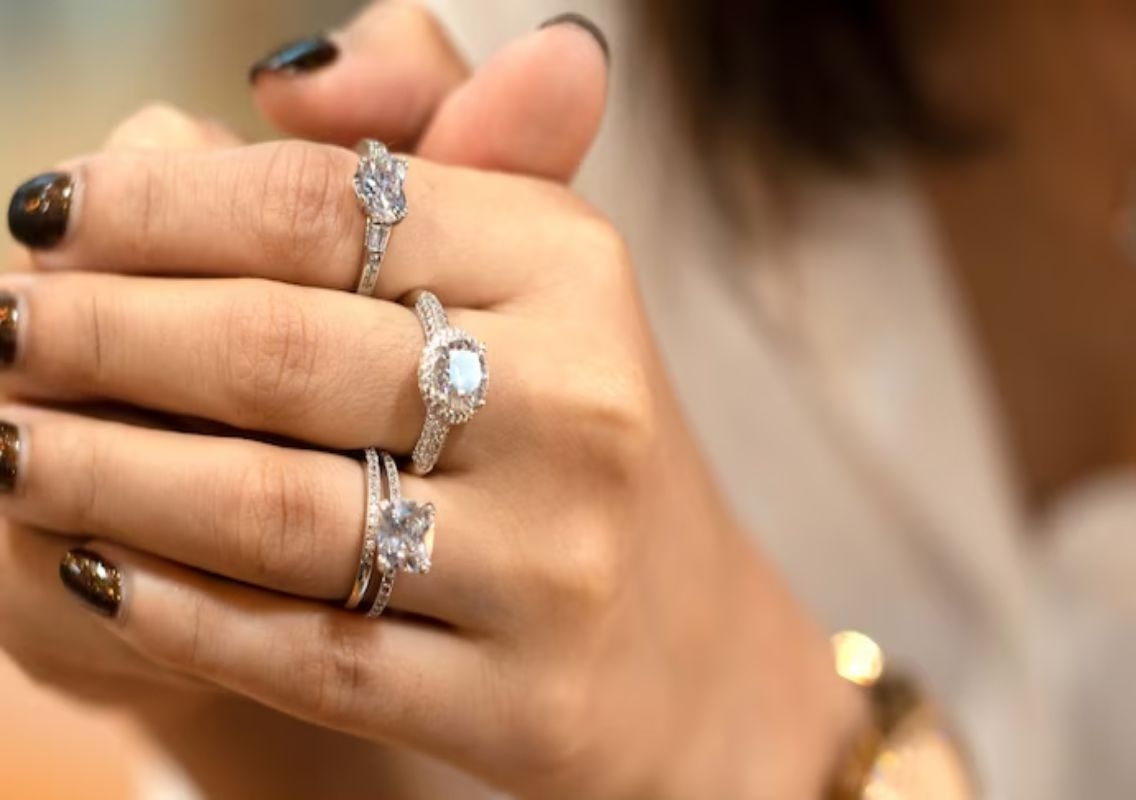


Mumbai: India’s diamond jewellery market is undergoing a significant transformation, driven by younger consumers and financially independent women who are redefining how and why diamonds are purchased. Once reserved for weddings and milestone celebrations, diamonds are increasingly being bought for everyday wear, signalling a cultural and economic shift that is propelling India to become the world’s second-largest diamond market.
According to the latest insights from De Beers Group, India now accounts for nearly 12 per cent of global natural diamond jewellery demand. This rise has enabled the country to surpass traditional markets such as China and Japan, highlighting a strong domestic appetite for luxury goods.
Diamonds move beyond weddings and tradition
For decades, diamonds in India were closely associated with weddings, anniversaries and family heirlooms. Jewellery purchases were often tied to significant life events, with pieces stored securely and worn sparingly.
That trend is now shifting rapidly. Younger consumers are embracing diamonds as a form of everyday luxury rather than a once-in-a-lifetime investment. From buying diamond studs after a job promotion to purchasing pendants for personal milestones, Indians are redefining the meaning of ownership.
Data indicates that while more than half of diamond purchases in 2014 were linked to special occasions, today over half of newly purchased natural diamonds are worn daily. This marks a clear departure from the concept of “locker luxury” towards more frequent and visible usage.
Gen Z emerges as a key growth driver
One of the most striking aspects of this transformation is the role of Gen Z consumers. Individuals aged between 18 and 28 now contribute approximately 51 per cent of India’s diamond jewellery market value.
What sets this generation apart is not just their participation but also their spending behaviour. On average, Gen Z buyers are spending close to Rs 1.98 lakh per purchase, making them the highest spenders among all age groups.
This trend challenges the perception that younger consumers prefer fast fashion or lower-cost alternatives. Instead, many are choosing products that reflect individuality, authenticity and long-term value.
When combined with millennials, younger consumers now account for nearly 86 per cent of the market’s total value. This indicates that India’s diamond industry is increasingly being shaped by a generation that prioritises personal expression and meaningful purchases.
Rise of self-purchasing women reshapes demand
Alongside Gen Z, women buyers are playing a transformative role in the market. A growing number of women across urban and semi-urban India are purchasing diamond jewellery for themselves rather than waiting for it to be gifted.
This shift reflects broader socio-economic changes, including increased workforce participation, financial independence and evolving aspirations. Women are now celebrating personal achievements such as career milestones, birthdays and individual successes with diamond purchases.
Even within the wedding segment, brides are exercising greater control over jewellery decisions, reflecting a move towards autonomy and personal choice.
Industry observers note that this trend is not just about consumption but also about identity. Diamonds are increasingly seen as symbols of self-worth and independence rather than solely expressions of romantic relationships.
Decline of ‘locker luxury’ culture
The traditional approach of buying expensive jewellery for safekeeping is gradually fading. Earlier, families viewed diamonds primarily as long-term investments, often storing them in lockers and using them sparingly.
Today’s consumers, however, are prioritising usability and lifestyle integration. Modern jewellery designs are lighter, more versatile and suitable for daily wear, making them more appealing to younger buyers.
From office settings to casual outings, diamond jewellery is becoming a regular part of fashion, reflecting a broader shift towards experiential and expressive consumption patterns.
Market poised for sustained growth
India’s diamond jewellery market is currently valued at approximately Rs 4,97,000 crore and is expected to witness strong growth in the coming years. Expansion of higher-income households, increasing urbanisation and rising participation of women in the workforce are likely to drive demand further.
Additionally, the growing reach of organised retail and digital platforms is making diamond jewellery more accessible across Tier 1 to Tier 5 cities.
Industry experts believe that India’s cultural affinity for jewellery, combined with evolving consumer preferences, positions the country as a long-term growth engine for the global diamond market.
Conclusion
The rise of Gen Z consumers and self-purchasing women marks a pivotal shift in India’s diamond jewellery landscape. By moving away from tradition-bound buying patterns towards everyday usage and personal expression, these groups are redefining the market.
As diamonds transition from being occasional luxuries to daily essentials, India’s position as a global leader in the industry is likely to strengthen further. The trend reflects not just economic growth but also a deeper cultural evolution in how luxury is perceived and experienced.