









New Delhi: French liquor giant Pernod Ricard is facing mounting challenges in India after the Delhi High Court rejected its plea to resume liquor sales in the national capital. The ruling comes alongside an escalating tax dispute that could cost the company nearly Rs 3,000 crore, with potential liabilities rising even higher if penalties are imposed.
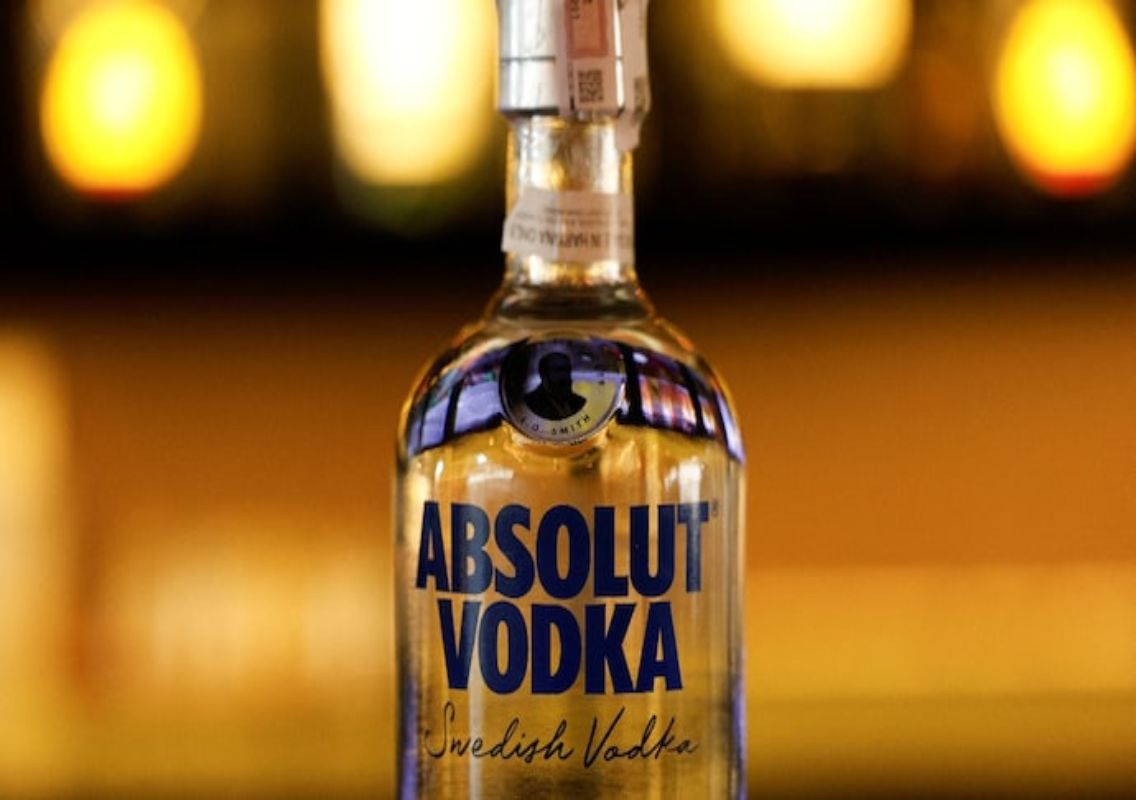
The latest court order means that Pernod Ricard’s popular brands, including Absolut Vodka and Chivas Regal, are unlikely to return to store shelves in Delhi anytime soon. The company has already been absent from the Delhi market since 2023 due to its alleged links to irregularities in the now-scrapped 2021 excise policy.
Excise policy case keeps licence on hold
The core issue in Delhi revolves around whether a company named in an ongoing investigation can be granted or retain a licence to sell liquor. Authorities had earlier rejected Pernod Ricard’s licence application, citing serious allegations raised by the Directorate of Enforcement (ED).
According to investigators, the company allegedly colluded with retailers during the implementation of the 2021 excise policy to gain an unfair increase in market share. These allegations remain under legal scrutiny, and the High Court’s refusal to grant relief has effectively prolonged the company’s exclusion from one of India’s most lucrative urban liquor markets.
Before the suspension of operations, Delhi accounted for nearly 5 per cent of Pernod Ricard’s total sales in India, underlining the significance of the setback.
Customs dispute raises financial stakes
Compounding the issue is a major customs dispute involving alleged undervaluation of imported Scotch whisky ingredients. Indian authorities have accused the company of misrepresenting the composition and age of certain imports to reduce customs duties.
Investigators claim that Pernod Ricard undervalued its Scotch concentrate imports by 67.49 per cent, thereby lowering the impact of India’s steep 150 per cent tariff on such products. The company has been asked to pay approximately $314 million, or about Rs 3,000 crore, in back taxes.
However, the situation could worsen significantly. If penalties are applied and the authorities prevail, the total liability could exceed $600 million, or roughly Rs 5,725 crore. This would represent nearly one-fifth of the company’s annual revenue from India and approximately three times its profit from the market.
Allegations of complex disclosures
Government documents cited in reports indicate that the company allegedly used internal malt codenames to complicate disclosures. Authorities argue that such practices made it difficult to compare imports with those of competitors, thereby affecting tariff assessments.
A government filing dated January 24 also alleges that Pernod Ricard failed to disclose the “true description” of imported malts, including their composition and ageing details. Investigators believe this was done intentionally to obscure the actual value of imports.
These findings form the basis of the ongoing tax demand and could play a crucial role in determining the outcome of the case.
Company denies wrongdoing
Pernod Ricard has strongly denied all allegations. In its response, the company stated that it “rejects any suggestion of wrongdoing” and maintains that it has complied fully with all applicable laws and regulations.
The company has indicated that it is addressing both the excise-related issues and the customs dispute through appropriate legal channels. It remains confident in its position, although the legal battles are expected to continue for an extended period.
India remains a key market
Despite the ongoing challenges, India continues to be a critical growth market for Pernod Ricard. The country is the company’s largest market globally by volume, making the current disputes particularly significant for its long-term strategy.
The twin setbacks — exclusion from the Delhi market and the high-stakes tax dispute — highlight the regulatory complexities faced by multinational companies operating in India’s alcohol sector. Industry experts note that compliance, transparency and evolving policy frameworks remain key challenges for global firms.
Conclusion
The Delhi High Court’s decision has added to Pernod Ricard’s growing list of legal and regulatory hurdles in India. With its products still barred from Delhi and a tax dispute that could escalate into thousands of crores, the company faces a prolonged period of uncertainty.
How these cases unfold will not only impact Pernod Ricard’s operations but could also set important precedents for the liquor industry in India. For now, the company must navigate both legal battles while attempting to safeguard its position in one of its most important global markets.