







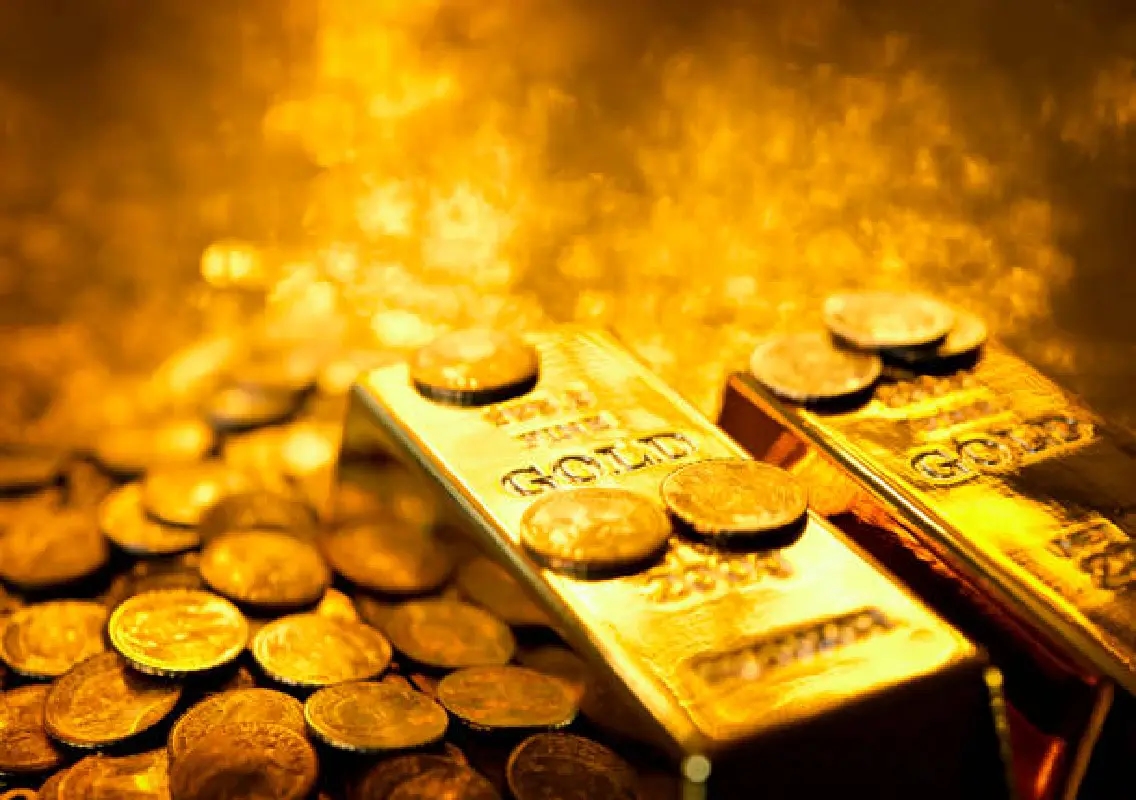


After a spectacular three-year rally that saw gold prices surge nearly 120%, the bullion market is now witnessing a cooling phase. The yellow metal, which peaked in October 2025, has corrected by around 10%, prompting concerns that its record-breaking run may be losing steam amid shifting macroeconomic dynamics and strengthening of the U.S. dollar.
Gold’s remarkable three-year rally
Gold’s rise began in 2022, fuelled by escalating geopolitical tensions, rising inflation, and central bank buying. In CY23, gold gained 13%, followed by a 27% rise in CY24, culminating in a 67% surge in 2025, the sharpest annual rally in its history. The precious metal benefited from heightened global uncertainties, including the Russia-Ukraine war, the Israel-Hamas conflict, and slowing global economic growth.
While the initial phase of the Russia-Ukraine conflict did not immediately lift gold prices, prolonged hostilities and fresh geopolitical flashpoints spurred demand for safe-haven assets. Central banks, particularly those of China and India, aggressively accumulated gold to diversify reserves away from the U.S. dollar, further supporting the rally.
Central banks and investors drive demand
Gold’s sustained rise through 2024 was underpinned by steady official sector purchases and rising investor interest. With inflation remaining persistently high and the U.S. Federal Reserve embarking on its most aggressive tightening cycle in decades — raising rates from 0.25% in March 2022 to 5.50% in July 2023 — investors increasingly turned to gold as a hedge against both inflation and geopolitical risk.
Despite a strong dollar through 2024, gold maintained upward momentum due to safe-haven demand, limited equity market opportunities (outside the booming AI sector), and robust speculative inflows.
Fed policy reversal and dollar weakness boost prices
In 2025, the global monetary outlook shifted as the U.S. Federal Reserve reversed its stance, reducing interest rates to 4.0%, with expectations of further cuts in 2026. The softer policy led to a weaker U.S. dollar, which typically supports gold by making it cheaper for holders of other currencies.
The weakening dollar also reflected growing concerns over U.S. debt levels and the “de-dollarisation” trend, where nations increasingly explored alternatives to the dollar for trade and reserves. This, combined with escalating tariff wars and an uncertain economic outlook, provided a fresh tailwind for gold through much of 2025.
Correction amid stronger dollar and easing tariffs
However, analysts warn that sustaining gold’s momentum could prove difficult. The metal’s 10% correction since October coincides with renewed strength in the U.S. Dollar Index (DXY), which rebounded from 96 to nearly 100, suggesting a possible uptrend. A stronger dollar typically exerts downward pressure on international gold prices.
Moreover, easing trade tensions and moderating rhetoric around tariffs — particularly from former U.S. President Donald Trump — have improved risk sentiment in global markets. As a result, investors may increasingly rotate from safe-haven assets like gold into equities and risk-based instruments.
Mid-term politics and market outlook
The upcoming U.S. mid-term elections in 2026 are expected to limit economically disruptive policies, which could further temper inflationary pressures. This shift, coupled with policy stability, may benefit equities while posing challenges for gold’s safe-haven appeal.
In India, the impact of gold’s global correction is expected to be limited. Analysts note that domestic equities could see strong inflows if corporate earnings rebound from Q3 FY26 onwards. Should the U.S. Fed continue rate cuts and the tariff environment improve, equities may outperform, marking a potential rotation away from gold.
Outlook: Consolidation likely before next big move
While short-term corrections are possible, long-term fundamentals for gold remain favourable amid persistent global uncertainty, central bank buying, and gradual diversification away from the dollar. Analysts suggest that unless the DXY climbs significantly above 105, gold is unlikely to face a major downside.
For now, the metal appears to be entering a consolidation phase, as investors reassess positions following an unprecedented rally. Any renewed escalation in geopolitical tensions or deeper rate cuts by the Fed could again push prices higher in the coming quarters.