







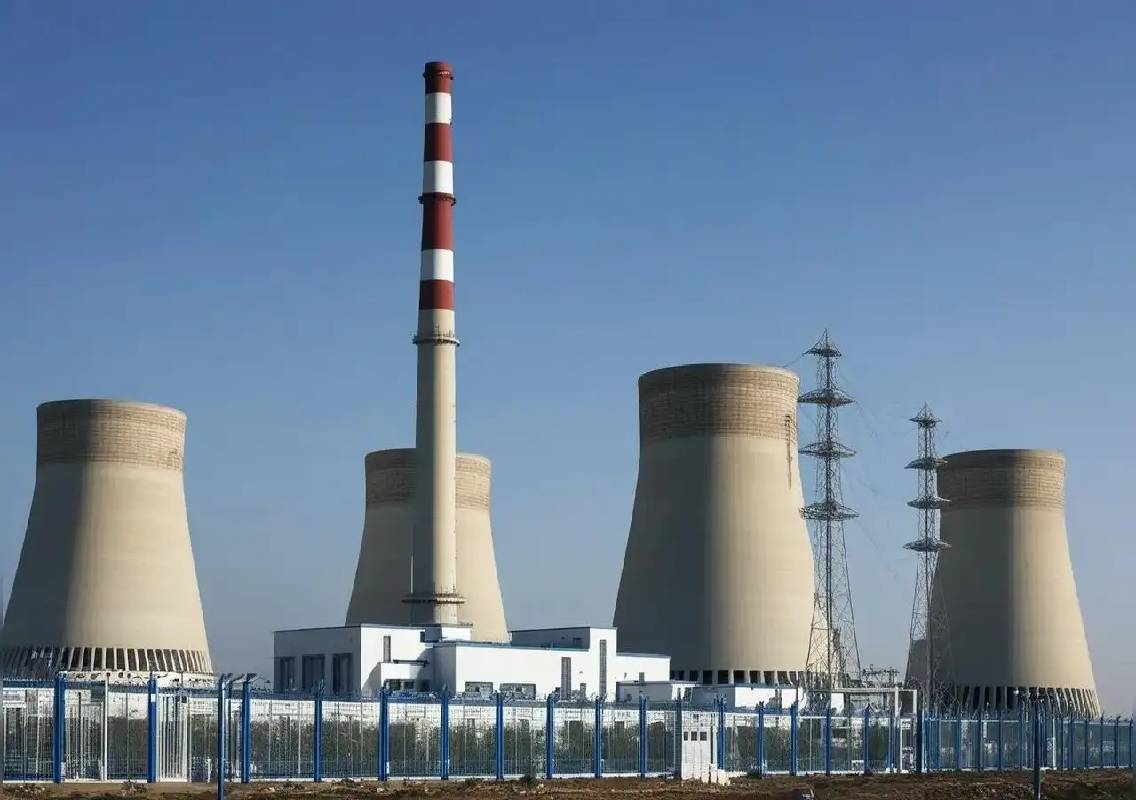


New Delhi: The Central Government is preparing to roll out standard operating procedures (SOPs) and policy measures to facilitate private sector participation in India’s nuclear energy sector, marking a significant step towards the country’s clean energy and decarbonisation goals.
The move follows the enactment of the Sustainable Harnessing and Advancement of Nuclear Energy for Transforming India (SHANTI) Act, 2025, which opens the door for private companies to participate in several segments of the nuclear industry. The government is expected to introduce a framework that includes assured power purchase agreements, regulatory guidelines and potential financial incentives to attract investment.
The initiative forms part of India’s broader strategy to expand its nuclear power capacity and accelerate the transition towards low-carbon energy sources.
Government preparing roadmap for private participation
According to Abhay Karandikar, Member of NITI Aayog, the government will soon begin consultations with technology developers, plant operators and investors before finalising a comprehensive roadmap for private sector involvement.
The consultations are expected to focus on key issues such as technology readiness, financing requirements, risk-sharing mechanisms and long-term sustainability of nuclear projects.
Karandikar indicated that stakeholder feedback would help shape policies designed to support capital inflows and accelerate the development of nuclear infrastructure across the country.
The government is also in the process of notifying rules under the SHANTI Act, which will establish the operational framework for private participation in the sector.
SHANTI Act opens new opportunities
The Sustainable Harnessing and Advancement of Nuclear Energy for Transforming India (SHANTI) Act, 2025, represents a major policy shift in India’s nuclear energy landscape.
Under the legislation, private entities will be permitted to participate in a range of activities including nuclear plant operations, electricity generation, equipment manufacturing and selected aspects of the nuclear fuel cycle.
The Act also allows private companies to undertake activities related to fuel fabrication, uranium conversion, refining and enrichment of uranium-235 up to prescribed limits.
Additionally, firms may engage in the production, use, processing and disposal of certain regulated substances, subject to government approval and oversight.
All activities involving radiation exposure will require prior safety authorisation from the designated regulatory authority to ensure compliance with stringent safety standards.
Assured power purchase agreements under consideration
One of the key measures being considered by the government is the provision of assured power purchase agreements (PPAs) for nuclear energy projects.
Such agreements could provide long-term revenue certainty to investors by guaranteeing the purchase of electricity generated by nuclear facilities.
Industry experts believe that assured PPAs could significantly improve the financial viability of nuclear projects, which typically require substantial upfront investment and long development timelines.
The mechanism may help attract both domestic and international investors seeking stable returns from clean energy infrastructure projects.
Financial support may boost investments
The government is also exploring options for extending financial assistance to private sector participants.
According to reports, support could be provided through the Rs 1 lakh crore Research Development and Innovation (RDI) Scheme, which offers long-term, low-interest and unsecured financing to private companies and startups working on transformative technologies.
Nuclear energy has been identified as one of the strategic sectors eligible for support under the scheme.
Officials are also considering the possibility of establishing a dedicated fund specifically focused on supporting nuclear energy projects during their initial stages.
Such measures are intended to reduce financial barriers and encourage greater participation from private enterprises entering the sector for the first time.
Nuclear Energy Mission targets 100 GW by 2047
The policy push aligns with the Government’s ambitious Nuclear Energy Mission, which aims to achieve 100 gigawatts (GW) of nuclear power capacity by 2047.
The target forms part of India’s long-term clean energy strategy and its commitment to reducing carbon emissions while meeting growing electricity demand.
Nuclear power is increasingly viewed as a reliable source of low-carbon baseload electricity capable of complementing renewable energy sources such as solar and wind.
Expanding nuclear generation capacity is expected to play a crucial role in ensuring energy security, supporting industrial growth and helping India meet its climate objectives.
Private sector expected to play a larger role
The opening of the nuclear sector to private investment marks a significant departure from the traditionally government-dominated model.
By encouraging collaboration between public institutions, private enterprises and technology providers, policymakers hope to accelerate innovation, improve operational efficiency and attract fresh capital into the sector.
Industry observers believe the reforms could help create a more competitive ecosystem while strengthening India’s position in advanced energy technologies.
The success of the initiative, however, will depend on the clarity of regulations, availability of financing and the effectiveness of safety oversight mechanisms.
Conclusion
The government’s plan to introduce SOPs and supportive policies for private investment in nuclear energy signals a major transformation in India’s energy sector. Backed by the SHANTI Act, 2025, and the ambitious goal of achieving 100 GW of nuclear capacity by 2047, the initiative aims to attract private capital, accelerate technological development and strengthen India’s clean energy transition. With consultations and regulatory frameworks expected soon, the sector could witness unprecedented private participation in the coming years.