







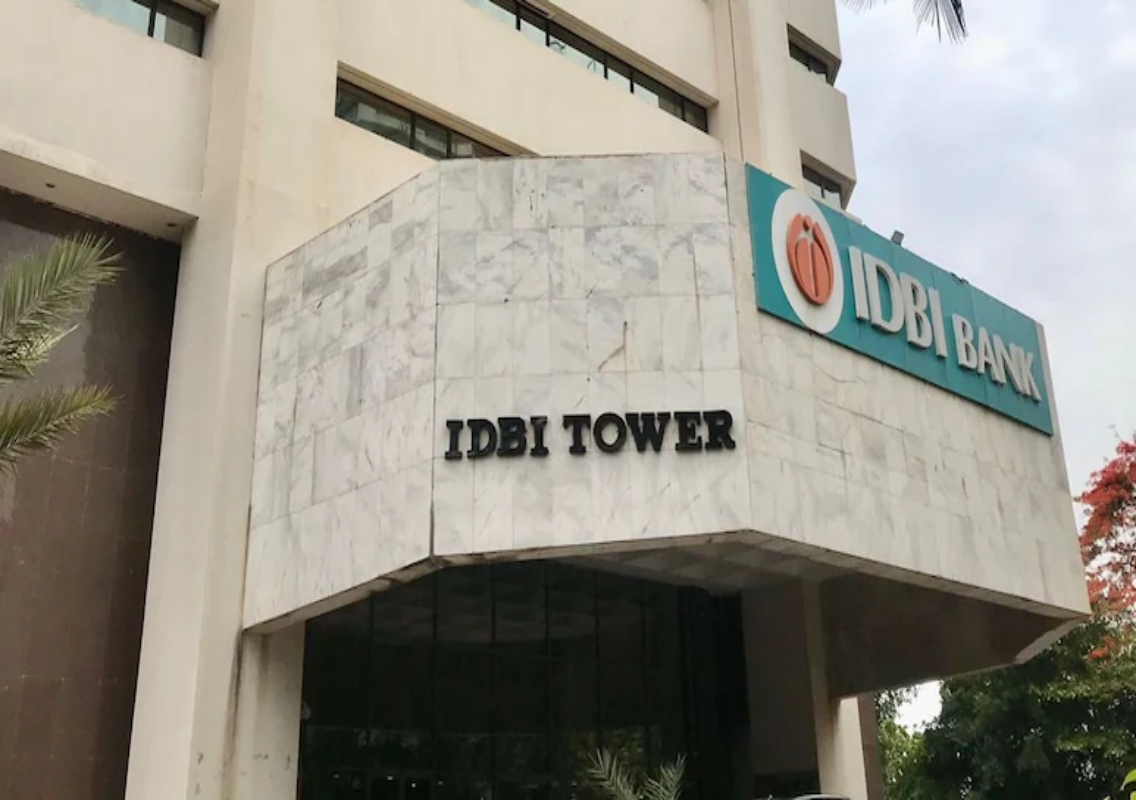


Mumbai: IDBI Bank’s proposed restructuring is expected to change its ownership structure, but customers are unlikely to see immediate changes in their day-to-day banking. Deposits, existing loan obligations, Reserve Bank of India (RBI) oversight and government-backed financial inclusion schemes are expected to continue under the proposed arrangement.
The government has stated that the restructuring will not affect customers’ interests. Deposits will continue to be covered by applicable insurance protections, while borrowers will remain subject to the terms of their existing loan agreements unless the bank formally communicates any changes.
Under the proposed ownership structure, the government would retain a 15% stake in IDBI Bank, while Life Insurance Corporation of India (LIC) would hold 19%, according to the restructuring details provided. The move is part of a broader effort to change the lender’s ownership while maintaining its banking operations and customer services.
IDBI Bank’s Status and Regulatory Oversight
IDBI Bank was established as a development financial institution in 1964 before becoming a commercial bank in 2004. The RBI classified it as a private sector bank with effect from January 21, 2019.
Despite the proposed ownership changes, regulatory supervision will continue under the RBI. This remains an important consideration for depositors and borrowers because the restructuring does not, by itself, remove the bank from the existing regulatory framework.
Eligible deposits will continue to receive insurance protection of up to Rs 5 lakh per depositor per bank under the Deposit Insurance and Credit Guarantee Corporation (DICGC), subject to the applicable rules.
For customers, the key distinction is between a change in ownership and a change in the terms governing their accounts or loans. The proposed restructuring primarily concerns the bank’s ownership and strategic direction, rather than an immediate overhaul of customer arrangements.
What Will Remain Unchanged for Depositors?
Depositors can continue to use their existing banking arrangements, subject to the bank’s applicable terms and procedures. The proposed restructuring is not, by itself, an announcement that customers must close accounts, move their deposits or change their existing banking relationships.
The deposit insurance framework will also remain relevant. Eligible deposits are insured up to Rs 5 lakh per depositor per bank under DICGC provisions. Customers should understand that this is the applicable insurance limit, rather than a guarantee that every deposit amount is fully insured.
The government has maintained that the restructuring will not compromise customers’ interests. RBI oversight and the existing regulatory framework will continue to be important safeguards as the ownership process moves forward.
Any operational changes affecting accounts, services or procedures would need to be communicated through the bank’s formal channels. The information provided does not indicate an immediate change to depositors’ existing arrangements.
What Will Happen to Existing Borrowers?
Borrowers are also expected to see continuity in their existing banking arrangements. Loan agreements, repayment schedules and applicable contractual terms will continue to govern their obligations unless the bank formally communicates a change.
The proposed ownership restructuring does not automatically cancel outstanding loans or alter repayment commitments. Customers should continue to follow the terms of their existing agreements and rely on official communication from IDBI Bank for any updates that may affect their accounts.
For borrowers, this distinction is particularly important because the transfer or reorganisation of ownership does not necessarily mean that the underlying contractual relationship changes.
The restructuring details provided do not specify any immediate revision to interest rates, repayment schedules or loan conditions. Customers should therefore avoid assuming that such changes will occur solely because the ownership structure is being revised.
Financial Inclusion Schemes Expected to Continue
IDBI Bank is also expected to continue participating in financial inclusion and social security programmes. These include:
- Pradhan Mantri Jan Dhan Yojana
- Pradhan Mantri Jeevan Jyoti Bima Yojana
- Pradhan Mantri Suraksha Bima Yojana
- Atal Pension Yojana
The bank will also continue its involvement in micro-credit and livelihood support initiatives, including loans under the Pradhan Mantri Mudra Yojana.
Digital working capital financing for eligible micro and small enterprises through GeM Sahay is another activity identified in the restructuring details.
These programmes are significant because they support access to banking, insurance, pensions and credit for individuals and businesses. Their expected continuation indicates that the proposed ownership change is not intended to end the bank’s participation in these initiatives.
IDBI Bank will also remain subject to the mandatory priority sector lending target of 40% applicable to private sector banks, according to the information provided.
IDBI Bank’s Financial Position Has Improved
The proposed restructuring follows a substantial improvement in the bank’s financial position after a period of high bad loans and capital support.
Government capital infusions between 2010 and 2020 totalled around Rs 25,000 crore, according to the figures provided. These funds formed part of the support extended to the lender during its period of financial stress.
IDBI Bank’s gross non-performing asset (NPA) ratio declined from 31.78% in September 2018 to 2.32% in March 2026. Its net NPA ratio fell from 17.30% to 0.15% over the same period.
The bank’s capital adequacy ratio also improved, rising from 6.22% in 2018 to 26.65% in March 2026. In FY26, IDBI Bank reported a record net profit of Rs 9,513 crore, according to the supplied information.
These figures illustrate the scale of the bank’s financial recovery. The lender had previously operated under the RBI’s Prompt Corrective Action framework, which is associated with regulatory restrictions and corrective measures for banks facing financial weaknesses.
The improved financial indicators form part of the backdrop to the proposed restructuring and the government’s effort to change its ownership structure.
What Could Change Under the Proposed Restructuring?
While customers are expected to experience continuity in their existing arrangements, the proposed restructuring could influence the bank’s longer-term strategy.
The change in ownership could bring fresh capital, international banking expertise and new technology. These developments may create opportunities to improve service delivery, introduce new systems and strengthen competition, although the actual impact will depend on the bank’s future decisions and implementation.
The government has presented the move as part of a broader effort to attract long-term foreign investment while reducing its ownership in the lender.
The debate over lower government ownership in banks has a longer history. The Narasimham Committee recommended reducing government ownership in nationalised banks to 33% in 1998. Later discussions, including the Raghuram Rajan Committee’s 2008 report and a government-RBI assessment in 2009, also examined greater private participation and lower government stakes.
IDBI Bank’s restructuring therefore forms part of a wider debate about ownership, capital, governance and the future direction of banking institutions.
Legacy Bad Loans and the Road Ahead
IDBI Bank’s earlier financial difficulties were associated with mounting bad loans and substantial corporate exposures. The supplied information identifies Kingfisher Airlines, ABG Shipyard and Videocon among the names associated with the broader bad-loan crisis.
However, responsibility for individual defaults and the circumstances surrounding specific loans must be assessed on the basis of relevant records and findings. The wider history of stressed assets provides context for the bank’s recovery, but individual cases should not be treated as having identical causes.
As the proposed restructuring progresses, the main considerations for customers remain the continuity of banking services, regulatory supervision, deposit insurance and the contractual terms governing loans.
What Customers Should Keep in Mind
For depositors and borrowers, the immediate message is that the proposed restructuring is primarily an ownership and strategic exercise. The supplied details do not indicate an automatic change to existing deposits, loan agreements or repayment schedules.
Customers should continue to follow their account and loan terms, check official communications from IDBI Bank and understand the applicable deposit insurance limit. Any specific change affecting an individual account or loan should be confirmed through the bank’s official channels.
The longer-term impact of the restructuring will depend on how the new ownership arrangement is implemented and what strategic decisions follow. For now, the stated expectation is that customer interests, regulatory oversight and key banking services will continue despite the proposed change in ownership.