









New Delhi: India is set to play a pivotal role in shaping the future of global energy demand, with Russia’s largest oil producer predicting that the country will account for nearly half of the world’s oil demand growth over the next decade.
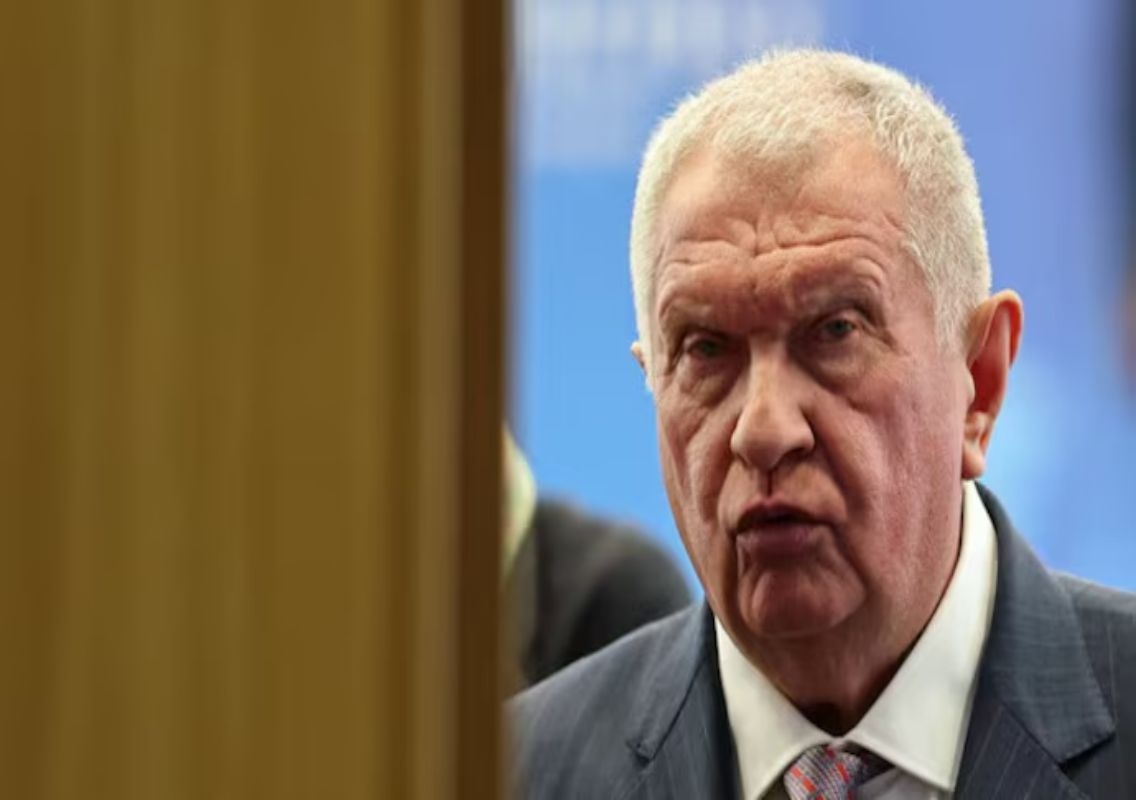
Rosneft CEO Igor Sechin made the remarks at the St Petersburg International Economic Forum, highlighting India’s growing importance in global energy markets.
India’s rising share in global oil demand
According to Sechin, India will contribute about 50 per cent of the incremental global oil demand by 2035. The projection aligns with estimates from the International Energy Agency, which suggest that India’s oil consumption could reach nearly 8 million barrels per day by 2035, marking a 44 per cent increase from current levels.
In contrast, global oil demand is expected to grow at a much slower pace of around 5 per cent over the same period, underlining India’s outsized role in driving consumption growth.
Sechin described India as occupying a “special place” in the global oil market, driven by its expanding economy, rising middle class and increasing energy needs.
Economic benefits from Russian oil supplies
The Rosneft chief also pointed to the economic advantages India has gained from importing discounted Russian crude oil following geopolitical shifts since 2022.
He stated that India and China together have realised benefits exceeding USD 40 billion due to these supplies since April 2022. Lower-cost crude imports have helped India manage inflationary pressures and maintain fuel price stability despite global volatility.
India significantly increased its imports of Russian oil after Western sanctions altered traditional trade flows, making Russia one of its top suppliers.
Strategic importance of energy partnerships
Sechin emphasised that Russia’s energy partnerships with India and China have contributed to maintaining stability in global energy supply chains.
He argued that Russia remains a critical player in the global oil market and cannot be excluded from supply systems without causing disruptions.
For India, diversified sourcing—including Russian crude—has become a key strategy to ensure energy security amid uncertain global conditions.
Risks from supply disruptions
The Rosneft CEO also warned about potential risks to global energy and food security, particularly if disruptions occur in key transit routes such as the Strait of Hormuz.
Any disruption in this crucial oil corridor could:
- Push up crude oil prices
- Increase fertiliser costs
- Trigger food inflation globally
Sechin noted that fertiliser prices have already risen by nearly 60 per cent in the first four months of the year, raising concerns about a broader food crisis.
India among most vulnerable to food price shocks
Countries like India, along with nations in Africa and Southeast Asia, could be among the most vulnerable to such shocks.
Higher fertiliser prices directly impact agricultural costs, which in turn affect food prices. For a country like India, where agriculture remains a key sector, this could have significant economic and social implications.
The lack of adequate strategic reserves in some regions further increases the risk of supply disruptions translating into prolonged price volatility.
Global geopolitical context
The remarks come amid evolving geopolitical dynamics and shifting energy alliances. At the same forum, Russian President Vladimir Putin reiterated support for India, stating that attempts to pressure the country through sanctions would not succeed.
Putin also praised India’s independent policy approach under Prime Minister Narendra Modi, suggesting that economic and energy partnerships between the two countries would continue to strengthen.
What this means for India
India’s projected rise in oil demand reflects broader structural trends:
- Rapid urbanisation
- Expanding transportation networks
- Growing industrial activity
- Rising consumer demand
However, this also presents challenges. Higher dependence on oil imports could expose the country to global price fluctuations and geopolitical risks.
At the same time, India is investing in renewable energy and alternative fuels to balance its long-term energy mix and reduce reliance on fossil fuels.
Conclusion
The projection that India will drive nearly half of global oil demand growth by 2035 underscores its emergence as a central player in the global energy landscape.
While this growth signals economic expansion and rising consumption, it also highlights the need for careful energy planning, diversification and sustainability.
As global demand stabilises, India’s energy choices will not only shape its own economic future but also influence global oil markets in the years to come.