







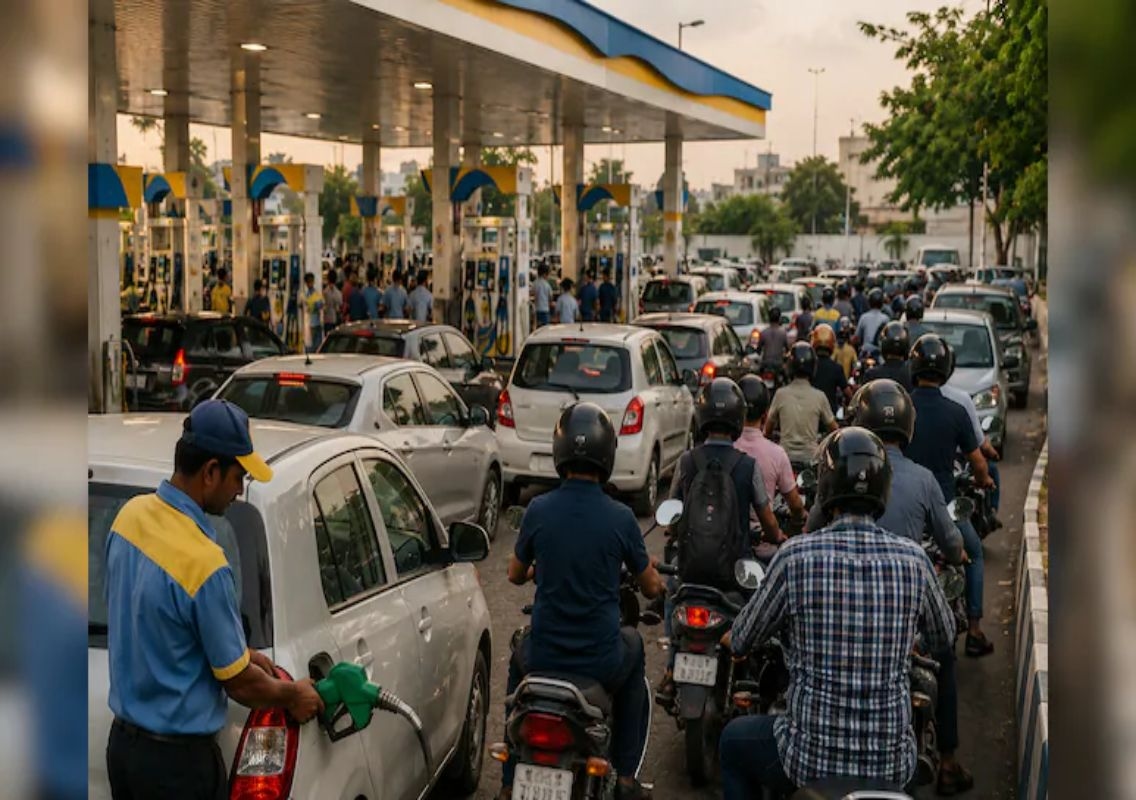


New Delhi: Petrol and diesel prices across major Indian cities remained unchanged on July 29, even as global crude oil prices witnessed a sharp rise following escalating geopolitical tensions in the Middle East. The spike in international oil benchmarks has raised concerns over potential upward pressure on domestic fuel rates in the coming days.
Brent crude futures for September delivery climbed 3.42 per cent to $86.97 per barrel, while US West Texas Intermediate (WTI) crude rose 3.58 per cent to $82.09 per barrel. The surge comes after Iran reportedly launched ballistic missile attacks targeting US forces in the region, heightening fears of a broader conflict that could disrupt global oil supply chains.
Petrol prices in major cities
As of July 29, petrol prices in key Indian cities are as follows:
- Delhi: Rs 102.12 per litre
- Mumbai: Rs 111.12 per litre
- Chennai: Rs 107.75 per litre
- Kolkata: Rs 113.43 per litre
- Hyderabad: Rs 115.69 per litre
- Bengaluru: Rs 110.93 per litre
Prices have remained stable despite volatility in global crude markets, offering temporary relief to consumers.
Diesel prices across India
Diesel prices on July 29 are:
- Delhi: Rs 95.20 per litre
- Mumbai: Rs 97.78 per litre
- Chennai: Rs 99.57 per litre
- Kolkata: Rs 99.78 per litre
- Hyderabad: Rs 103.82 per litre
- Bengaluru: Rs 98.79 per litre
Diesel continues to remain relatively lower than petrol, though price differences vary across states due to local taxes.
Global tensions push crude higher
The recent spike in crude oil prices is largely attributed to rising geopolitical tensions in the Middle East. The US Central Command (Centcom) reported that Iran’s Islamic Revolutionary Guard Corps launched multiple ballistic missiles targeting US forces in the region. In response, US and Saudi forces reportedly carried out strikes on logistics and weapons facilities in eastern Iraq.
Additionally, more than 30 drone attacks over the past three days by Iran-aligned groups have intensified concerns about stability in a region critical to global oil production. Any disruption in supply chains could further push crude prices higher.
Impact on India’s fuel economy
India imports over 85 per cent of its crude oil requirements, making it highly sensitive to fluctuations in global oil prices. A sustained increase in crude rates can significantly raise the country’s import bill and widen the trade deficit.
Higher crude prices also have a direct impact on inflation, as increased transportation and logistics costs tend to push up the prices of essential goods. While retail fuel prices have remained steady for now, oil marketing companies may revise rates if global trends persist.
What determines fuel prices in India?
Fuel prices in India are influenced by multiple factors beyond global crude rates. These include:
- Central and state government taxes
- Refining costs and margins
- Freight and distribution expenses
- Exchange rate of the Indian rupee against the US dollar
These components collectively determine the final retail price paid by consumers at fuel stations.
Conclusion
While petrol and diesel prices have not changed on July 29, the sharp rise in global crude oil prices signals potential volatility ahead. With geopolitical tensions escalating in the Middle East, Indian consumers and policymakers alike will closely monitor developments, as any sustained increase in crude prices could translate into higher fuel costs domestically.