







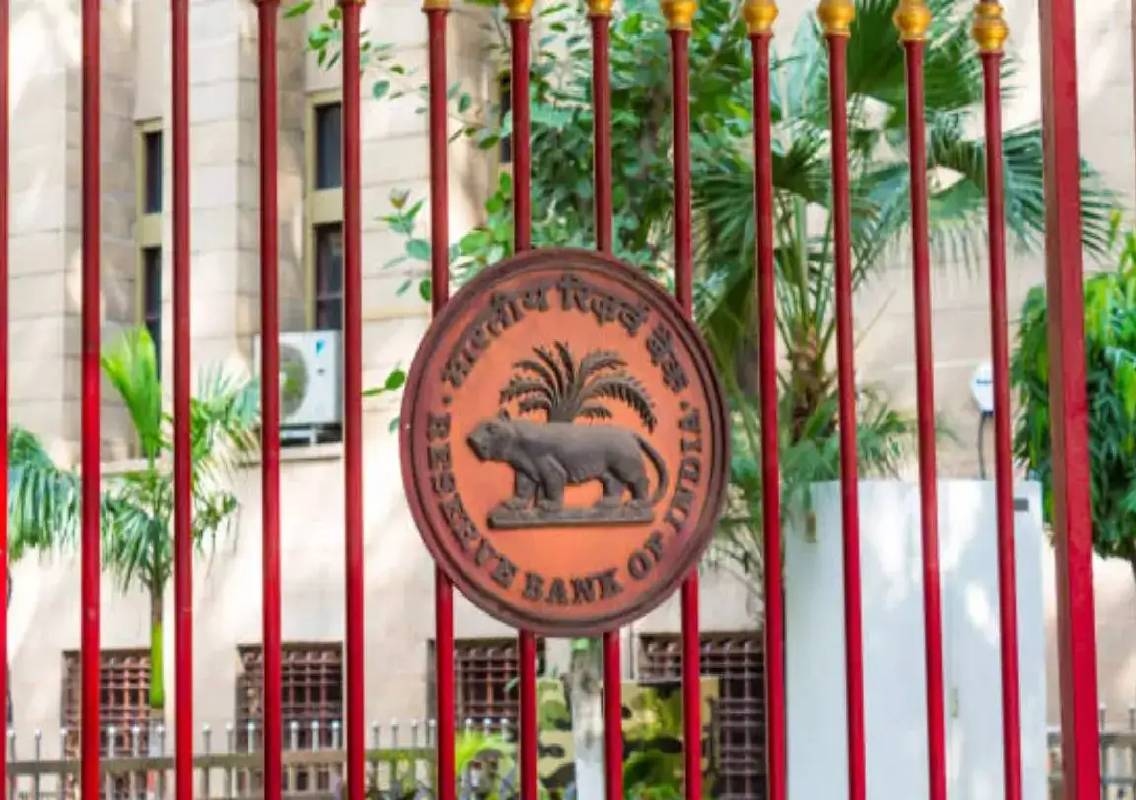


Mumbai: The latest minutes of the Reserve Bank of India’s (RBI) June Monetary Policy Committee (MPC) meeting reveal growing concerns among policymakers about inflation risks, even as the central bank opted to keep interest rates unchanged. The committee unanimously decided to maintain the repo rate at 5.25 per cent and retain a neutral policy stance amid global uncertainty driven by geopolitical tensions and volatile commodity markets.
The minutes indicate that while inflation remains under control for now, MPC members are increasingly cautious about potential price pressures arising from global developments, energy costs and supply-chain disruptions.
RBI Maintains Status Quo On Interest Rates
At its June policy meeting, the MPC unanimously voted to leave the benchmark repo rate unchanged at 5.25 per cent. The decision reflects the RBI’s attempt to balance inflation management with the need to support economic growth.
RBI Governor Sanjay Malhotra emphasised that the central bank must remain vigilant as both inflation and growth forecasts face considerable uncertainty.
“We should remain watchful and wary about the generalisation of inflation in the coming months,” Malhotra noted in the meeting minutes.
He pointed out that developments in West Asia, particularly the impact of geopolitical tensions on oil prices and supply chains, could significantly affect India’s inflation outlook.
Inflation Risks Remain A Key Concern
Although headline inflation has moderated in recent months, MPC members warned that risks remain.
Governor Malhotra highlighted that while core inflation remains subdued, policymakers cannot ignore current price trends given the uncertain global environment.
Factors contributing to inflation concerns include:
- Rising global energy prices
- Supply-chain disruptions
- Geopolitical tensions
- Potential weather-related shocks
- Higher input costs for businesses
Several members stressed that inflation projections remain difficult due to rapidly changing global conditions.
MPC Members Urge Patience
Deputy Governor Poonam Gupta argued that policymakers should wait for greater clarity before making any significant policy changes.
According to Gupta, tightening monetary policy prematurely could worsen economic conditions if growth slows further.
Internal MPC member Indranil Bhattacharyya echoed similar concerns, noting that wholesale price inflation has increased, but its impact on consumer prices remains uncertain.
He said policymakers need more data to determine whether rising producer costs will eventually pass through to consumers.
Growth Remains A Priority
While inflation dominated discussions, supporting economic growth remained equally important for several committee members.
External member Ram Singh maintained a growth-supportive stance, arguing that inflation expectations remain well anchored.
He suggested that stable food prices, moderating crude oil prices and a less aggressive US Federal Reserve could create room for the RBI to continue supporting economic expansion.
“If inflation-related risks resolve favourably, the MPC will have the room to continue to be growth-supportive,” Singh observed.
India Still Among Fastest-Growing Major Economies
External member Nagesh Kumar noted that despite slower growth projections, India remains one of the world’s fastest-growing major economies.
The RBI currently forecasts real GDP growth of 6.6 per cent for FY27, lower than the previous year’s growth rate but still strong compared to global peers.
Policymakers believe domestic demand, infrastructure spending and improving private investment will continue supporting economic activity.
Monsoon And Energy Prices Add Uncertainty
Another external member, Saugata Bhattacharya, highlighted weather-related risks that could impact food inflation.
He warned that below-normal rainfall or disruptions to agricultural production could increase food prices and complicate the inflation outlook.
Bhattacharya also cautioned that policymakers must closely monitor energy markets.
“The chances of a policy mistake remain heightened given the two-way risks to the inflation-growth outlook,” he stated.
According to him, the duration and intensity of any energy price shock will determine whether higher production costs eventually translate into broader consumer inflation.
What It Means For Borrowers And Investors
For now, borrowers can expect interest rates to remain stable, with no immediate indication of either a rate hike or a rate cut.
However, the MPC minutes suggest that the RBI is becoming increasingly cautious about inflation risks. Future policy decisions will likely depend on:
- Crude oil price movements
- Global geopolitical developments
- Monsoon performance
- Food inflation trends
- Economic growth indicators
Investors and businesses should expect the central bank to closely monitor incoming data before making any major policy adjustments.
Conclusion
The June MPC minutes show that while the RBI is comfortable maintaining rates at current levels, policymakers are becoming more concerned about broader inflationary pressures emerging from global and domestic risks. With geopolitical tensions, energy prices and monsoon-related uncertainties still in play, the central bank is likely to remain cautious while balancing the twin objectives of price stability and economic growth.