









The Reserve Bank of India (RBI) has decided to keep the repo rate unchanged at 5.25% in its first Monetary Policy Committee (MPC) meeting of the financial year, citing global uncertainties triggered by the ongoing Middle East crisis.
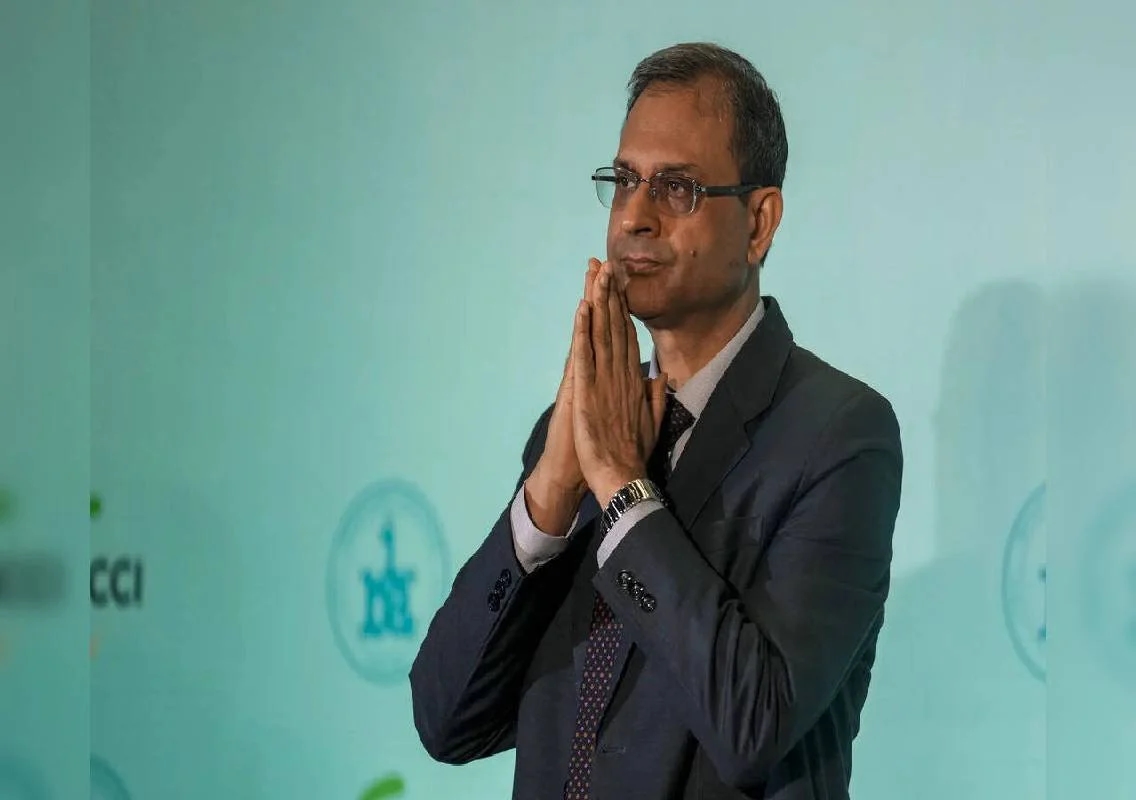
The decision, announced by RBI Governor Sanjay Malhotra, was taken unanimously by the MPC. The central bank highlighted that geopolitical tensions, particularly in West Asia, have created volatility in global markets, affecting growth prospects and inflation outlook.
Global tensions and economic outlook
Governor Malhotra noted that the global economy has been impacted by the ongoing crisis in the Middle East, leading to disruptions in energy supply and rising crude oil prices. However, he expressed cautious optimism following the recent ceasefire developments between the United States and Iran.
The crisis has raised concerns about possible disruptions in the Strait of Hormuz, a critical route for global oil shipments. Any such disruption could impact India’s growth trajectory, given the country’s dependence on imported crude oil.
Despite these challenges, the RBI maintained a stable outlook for India’s economy. As per the revised GDP series, India’s real GDP growth for the previous financial year is estimated at 7.6%.
GDP and inflation projections
The central bank provided a detailed quarterly growth outlook for the current financial year. GDP growth is projected at 6.8% in Q1, 6.7% in Q2, 7% in Q3, and 7.2% in Q4, indicating a gradual strengthening of economic activity over the year.
On the inflation front, the RBI projects inflation at 4% in Q1, rising to 4.4% in Q2 and peaking at 5.2% in Q3 before easing to 4.7% in Q4. The central bank warned that elevated crude oil prices could increase imported inflation and widen the current account deficit.
Additionally, weaker global growth prospects may dampen external demand and reduce remittance flows, posing further risks to the economy.
Stock markets rally on ceasefire news
Earlier in the day, Indian equity markets reacted positively to reports of a ceasefire between the United States and Iran. The benchmark indices saw significant gains, reflecting improved investor sentiment.
The Nifty opened above 23,800, gaining nearly 800 points or 3.45%, while the Sensex surged over 2,500 points to reach 77,144. The rally was driven by easing geopolitical tensions and renewed confidence among investors.
The ceasefire followed a statement by Donald Trump, who announced a temporary suspension of planned military action against Iran after discussions with Pakistani leaders. Iran also confirmed that it would halt defensive operations, ensuring safe passage through the Strait of Hormuz for a limited period.
What it means for home loan borrowers
The RBI’s decision to keep the repo rate unchanged has direct implications for home loan borrowers across the country.
Since most home loans are linked to external benchmarks such as the repo rate, a pause in the policy rate means there will be no immediate change in Equated Monthly Instalments (EMIs). Borrowers can expect their EMIs to remain stable in the near term.
If the RBI had opted for a rate cut, borrowers would have benefited from lower EMIs, making loans cheaper. Conversely, a rate hike would have increased borrowing costs, either raising EMIs or extending loan tenures.
With the current status quo, borrowers will continue to service their loans at existing interest rates. Banks are also likely to remain cautious in passing on any marginal benefits due to tight liquidity conditions and elevated cost of funds.
Conclusion
The RBI’s decision reflects a balanced approach amid global uncertainties and domestic economic stability. While growth projections remain robust, risks from geopolitical tensions and rising crude prices persist. For home loan borrowers, the unchanged repo rate ensures stability, though any relief in EMIs may depend on future policy moves.