







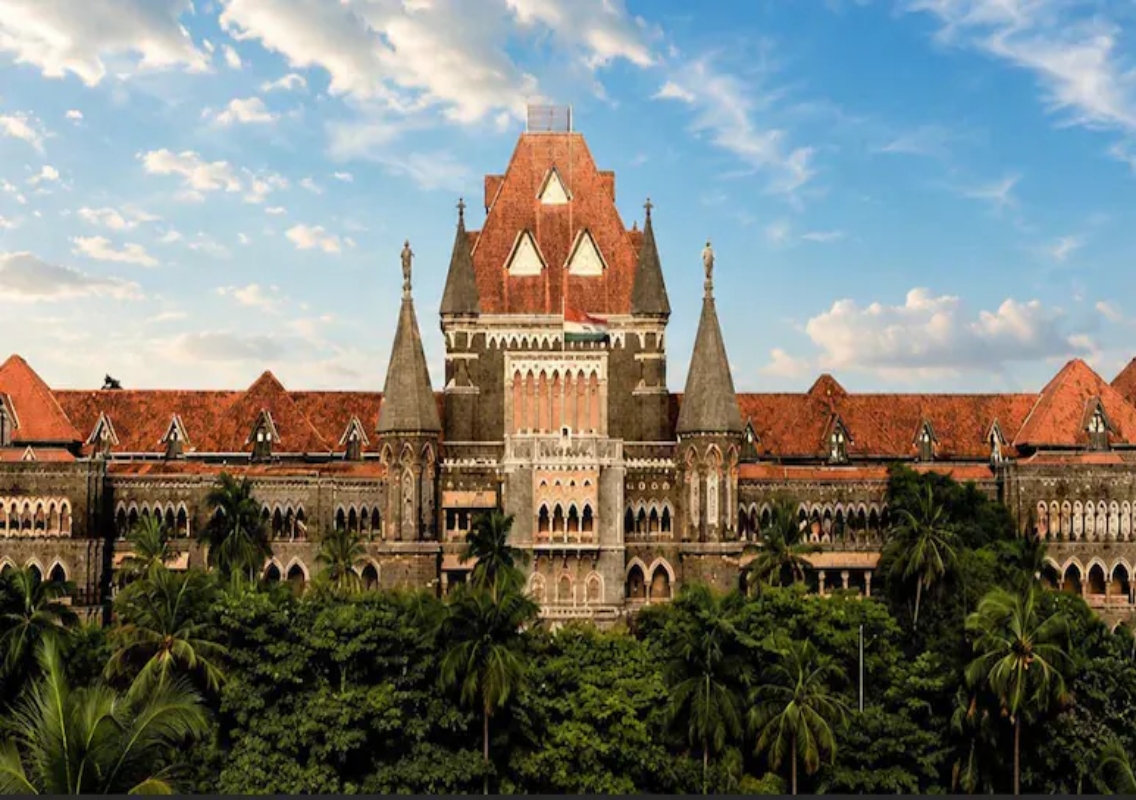


MUMBAI: The Bombay High Court has refused to stop Tata Sons’ scheduled board meeting on November 30, allowing the company to proceed despite a legal challenge by Tata Trusts over the reappointment of N. Chandrasekaran as executive chairman.
Justice Abhay Ahuja declined to grant interim relief to the trusts on Friday, November 27. However, the court clarified that any decisions taken at the November 30 meeting would remain subject to the final outcome of the petitions challenging the September 17 board resolution.
The court has scheduled the next hearing for January 21, 2027. The immediate ruling allows the board meeting to take place but does not settle the dispute over the validity of Chandrasekaran’s reappointment or the interpretation of Tata Sons’ internal governance rules.
Why Tata Trusts approached the court
Tata Trusts, which collectively hold a 66% stake in Tata Sons, challenged a September 17 board resolution that approved Chandrasekaran’s reappointment for another five-year term beginning February 21, 2027.
The challenge was filed by two charitable trusts — Sir Dorabji Tata Trust and RD Tata Trust. They questioned whether the resolution was valid under Articles 104B and 121 of Tata Sons’ Articles of Association, which provide special voting rights to directors nominated by the trusts on certain important decisions.
The dispute centres on the voting process followed during the September board meeting. Chandrasekaran abstained from voting on his reappointment. Among the two trust-nominated directors, Noel Tata voted against the proposal, while Venu Srinivasan supported it.
The resolution was passed by a 4:1 vote, with acting chairman Harish Manwani exercising his casting vote after the disagreement between the trust nominees.
Tata Trusts argued that the casting vote could not override the requirement for affirmative approval from a majority of trust-nominated directors. The trusts maintained that the September decision did not satisfy the governance provisions governing such appointments.
Arguments presented before the Bombay High Court
During the hearing, the trusts sought an injunction or deferment of the November 30 meeting, arguing that allowing the board to proceed could undermine their voting rights.
Their legal representatives relied on the Supreme Court’s judgment in the Cyrus Mistry case and a legal opinion from former Chief Justice of India D.Y. Chandrachud to support their interpretation of the company’s Articles of Association.
They contended that a chairman’s casting vote could not substitute for the affirmative approval required from trust-nominated directors when those directors disagreed.
Tata Sons opposed the request. Senior advocate Harish Salve, representing the company and Chandrasekaran, argued that the dispute should not prevent the company from carrying out its responsibilities.
The company’s side also highlighted the regulatory implications of delaying the board meeting, particularly the need to respond to the Reserve Bank of India’s requirements concerning Tata Sons’ classification as an upper-layer non-banking financial company.
The court ultimately declined to restrain the meeting, leaving the substantive legal questions for consideration in the pending proceedings.
Proposed Tata Sons listing adds urgency
The dispute has wider implications because Tata Sons is also dealing with the Reserve Bank of India’s requirement concerning the listing of its shares.
Tata Sons has argued that it needs to proceed with its board meeting to discuss the steps required to comply with the regulatory direction. During the court proceedings, the company’s counsel said postponing the meeting could jeopardise compliance with the RBI’s deadline for submitting a listing plan in December.
The proposed listing is significant because Tata Sons is the holding company of the Tata Group, which has businesses spanning automobiles, information technology, steel, aviation, consumer products and other sectors.
The company has reportedly indicated that, if the process proceeds without disruption, it could potentially become a listed entity by autumn 2027. However, the board meeting is expected to address the necessary steps, and the final course of action will depend on regulatory requirements and corporate decisions.
Tata Trusts’ challenge remains unresolved
The High Court’s decision is an interim development rather than a final ruling on the dispute. It allows the November 30 meeting to proceed, but the decisions taken there will remain subject to the outcome of the pending petitions.
The trusts have also sought damages amounting to Rs 65 crore as part of their legal action, according to reports on the proceedings. The central issue remains whether the September 17 resolution complied with Tata Sons’ Articles of Association and whether the casting vote was validly exercised.
The ruling does not mean that the court has approved Chandrasekaran’s reappointment or rejected the trusts’ interpretation of the voting provisions. Those questions will be examined during the subsequent hearings.
Tata Sons takes precautionary legal step
Separately, Tata Sons has filed caveats in both the Bombay High Court and the Supreme Court. A caveat is a legal notice through which a party requests that it be heard before a court passes an order on an application filed by another party.
The move is intended to ensure that Tata Sons receives an opportunity to present its position if the trusts approach either court seeking urgent relief against the November 30 meeting or decisions taken during it.
The legal development indicates that the dispute could continue beyond the immediate board meeting, although an appeal by the trusts had not been formally confirmed in the reports available on November 28.
What happens next?
The November 30 meeting can now proceed, but the board’s decisions will carry the qualification imposed by the High Court. The next major legal development is expected when the matter returns to court on January 21, 2027.
The outcome could have implications for Tata Sons’ leadership, its internal governance arrangements and its proposed listing. Until the court examines the petitions and delivers its decision, the validity of the September reappointment resolution remains contested.
The dispute has brought questions about shareholder influence, board voting rights and corporate governance at one of India’s most prominent business groups into sharp focus.