









New Delhi: While food inflation often dominates public discourse in India, a less visible but equally impactful force is steadily shaping the cost of living—transport inflation. Triggered largely by rising fuel prices, this form of inflation quietly spreads across sectors, increasing the price of goods and services without always being immediately noticeable in headline data.
In May 2026, India witnessed its fourth fuel price hike within a month, with petrol crossing Rs 102.12 per litre in Delhi and diesel touching Rs 95.20. In cities like Hyderabad, petrol prices rose even higher to Rs 115.62 per litre. While such increases attract attention in isolation, their broader economic consequences are often underestimated.
The invisible inflation effect
Transport services account for roughly 2.45% of India’s Consumer Price Index (CPI) basket, including railways, buses, taxis, auto-rickshaws, school buses and aviation. At first glance, even a 5–10% increase in transport fares may seem to have a limited direct impact on inflation—estimated at around 0.1–0.2 percentage points.
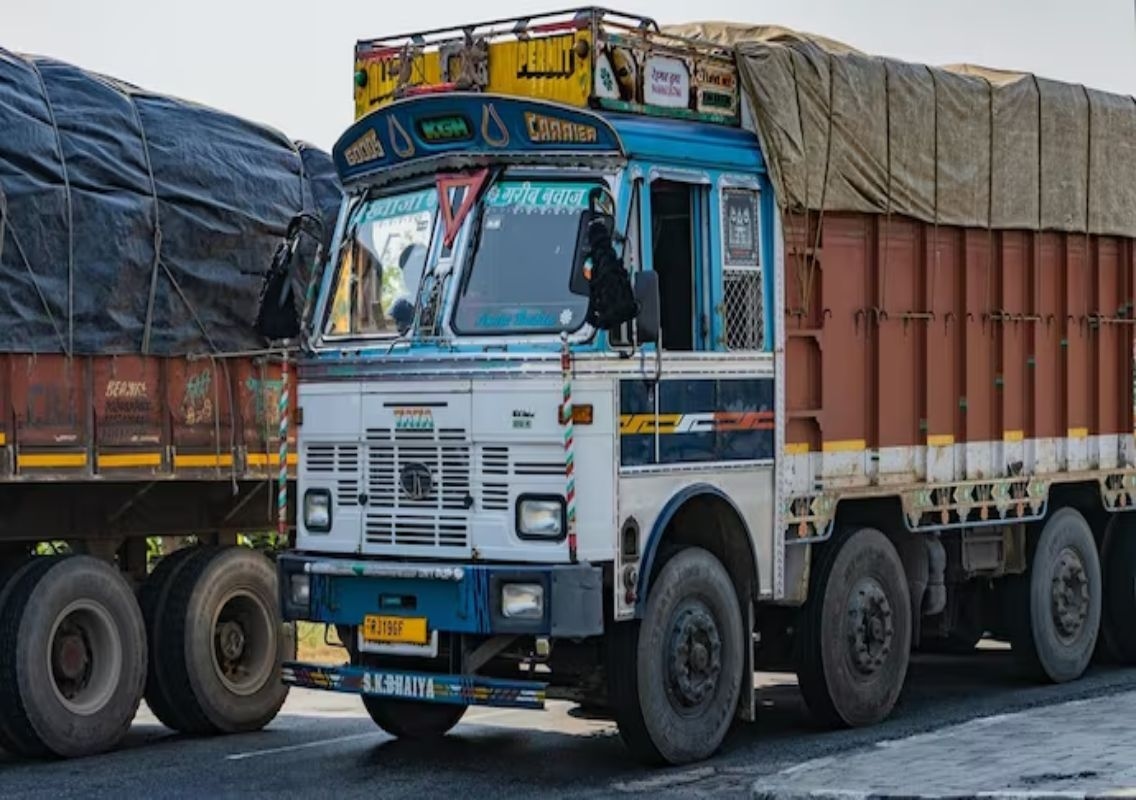
However, the real effect lies beyond this direct contribution. When diesel prices rise, transportation costs increase across the supply chain—from farms and factories to wholesale markets and retail stores. Businesses, in turn, pass these higher costs on to consumers.
This creates what economists describe as “network inflation”—a ripple effect where even a modest increase in fuel prices triggers widespread price increases. For instance, a Rs 3 rise in diesel prices can lead to higher costs for vegetables in wholesale markets, medicines in smaller towns, school meals and even daily commutes.
Gap between perception and data
The recent surge in fuel prices has also highlighted a disconnect between official inflation figures and household experiences. In May, petrol prices in Delhi rose sharply from around Rs 94–95 per litre to over Rs 100 within two weeks—one of the steepest increases since 2022.
Despite this, macroeconomic indicators have remained relatively stable, suggesting that current inflation metrics may not fully capture the secondary effects of rising transport costs. This gap raises questions about how inflation is measured and communicated, particularly when supply-side factors play a major role.
Short-term impact on households and businesses
Transport inflation is already affecting the economy in several immediate ways.
First, it imposes a regressive burden. While higher transport costs may be manageable for middle-income households, they disproportionately affect lower-income groups. For the bottom income segments, transport and food together account for a large share of expenditure. In rural areas, where goods often travel long distances, increased freight costs directly translate into higher prices for both sellers and buyers.
Second, small businesses are facing mounting pressure. India’s MSME sector, which employs around 6.3 crore people, is particularly vulnerable. Small retailers and traders typically lack the financial tools to hedge against rising fuel costs. Instead, they absorb higher logistics expenses and gradually pass them on to consumers, layer by layer.
Third, there is a feedback loop between transport and food inflation. Food accounts for nearly 37% of the CPI basket. As transport costs rise, the cost of moving agricultural produce increases, pushing up food prices. This undermines efforts to control inflation and maintain price stability.
Long-term structural concerns
India’s logistics costs remain relatively high, accounting for about 9–10% of GDP, compared to the global benchmark of 6–8%. A significant reason for this is the country’s heavy dependence on road transport powered by diesel.
Unlike food inflation, which often stabilises with improved supply, transport inflation tends to persist. Once freight rates and delivery charges rise, they are rarely rolled back even if fuel prices stabilise. This creates a lasting inflationary effect on the economy.
There is also a policy challenge. The Reserve Bank of India targets a 4% CPI inflation rate. However, transport inflation is largely driven by supply-side factors rather than demand. As a result, traditional tools such as interest rate hikes may have limited effectiveness in controlling it.
The policy response needed
Addressing transport inflation requires a broader and more strategic approach.
In the short term, rationalising excise duties on diesel could help cushion sudden price shocks. A more transparent, rule-based mechanism for fuel taxation could also improve predictability.
Over the long term, reducing dependence on road transport is essential. Investments in dedicated freight corridors, railway networks, inland waterways, and multimodal logistics parks can significantly lower transportation costs. Rail transport, in particular, remains more cost-effective for bulk freight compared to roadways.
Additionally, promoting electric vehicles for last-mile delivery could help reduce fuel dependency and improve cost efficiency over time.
Conclusion
Transport inflation may not grab headlines like rising food prices, but its impact is far-reaching and persistent. It silently influences the cost of nearly every product and service, making it a critical yet underappreciated component of India’s inflation dynamics.
As fuel prices continue to fluctuate, recognising and addressing transport inflation will be key to maintaining economic stability. Without targeted policy interventions, this “hidden inflation” could continue to erode purchasing power and shape price trends across the economy.
(Disclaimer: The article has been authored by Dr Jaydeep Mukherjee, Professor of Economics at Great Lakes Institute of Management, Chennai. Views expressed are personal.)