







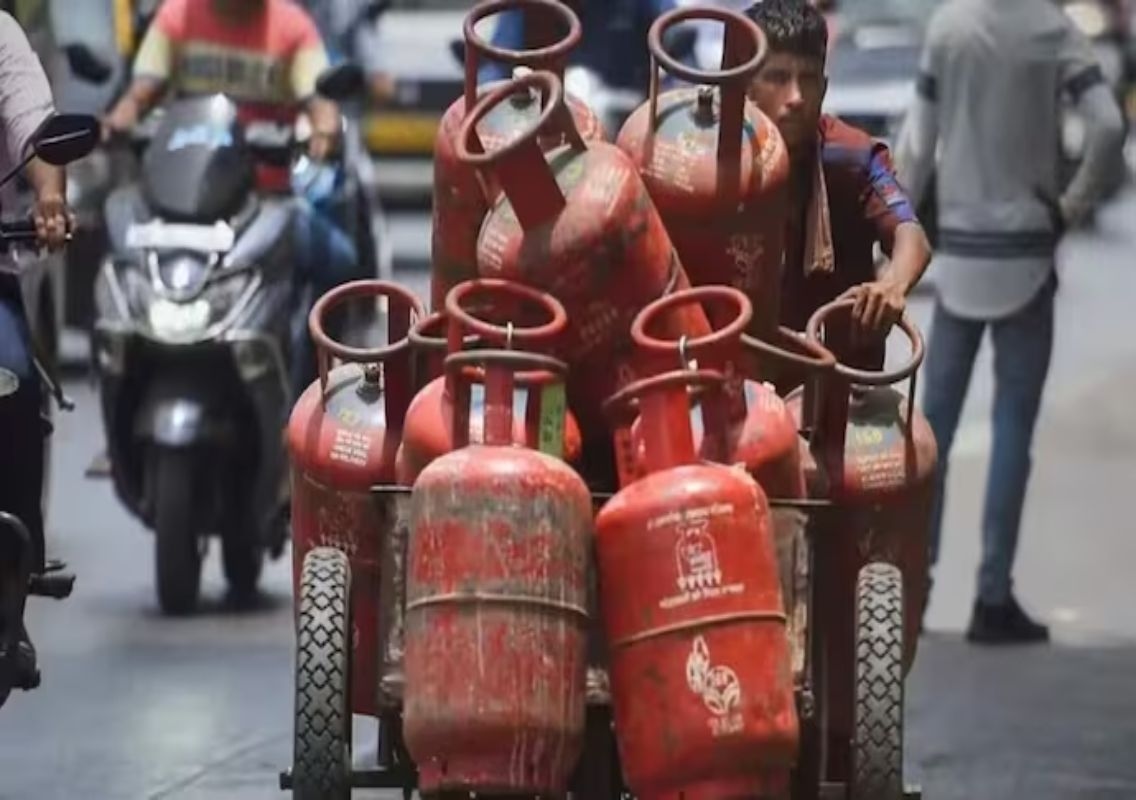


New Delhi: The Central government has reduced the number of subsidised LPG refills available under the Pradhan Mantri Ujjwala Yojana (PMUY) from nine to four cylinders per year, a move aimed at curbing misuse and improving the efficiency of welfare delivery.
The decision, which has come into immediate effect, has triggered concern among beneficiaries. However, officials have clarified that the revision is based on consumption data and is intended to prevent diversion of subsidised cylinders rather than reduce support for poor households.
Subsidy aligned with actual usage
According to government sources, the majority of PMUY beneficiaries consume around four LPG cylinders annually. Based on this trend, the revised cap has been fixed to match real usage patterns.
Officials argue that the earlier provision of nine subsidised refills was not reflective of typical consumption levels and left room for potential misuse. By aligning subsidy limits with average usage, the government aims to ensure that assistance is both adequate and efficient.
Misuse and diversion concerns flagged
One of the key reasons cited for the reduction is the alleged diversion of subsidised LPG cylinders. Authorities have indicated that some individuals were exploiting the scheme by claiming multiple subsidised refills using beneficiary accounts.
These cylinders were reportedly diverted for commercial use or sold outside the domestic supply chain, leading to leakage in the subsidy system. Such practices not only increased the financial burden on the government but also diluted the intended benefits of the scheme.
Officials believe that limiting the number of subsidised refills will help plug these gaps and ensure that benefits reach genuine households.
No cap on total LPG purchases
The government has emphasised that there is no restriction on the total number of LPG cylinders a household can purchase in a year. Beneficiaries are free to buy additional refills as per their requirements.
However, subsidy support will now apply only to the first four cylinders annually. Any further purchases will have to be made at market rates.
This clarification is aimed at reassuring households that their cooking fuel needs will not be restricted, even as subsidy coverage is rationalised.
Focus on targeted welfare delivery
The move is part of a broader strategy to enhance transparency and accountability in welfare schemes. By reducing leakage and preventing misuse, the government aims to make subsidy distribution more targeted and sustainable.
Officials have stressed that the objective is not to withdraw support but to ensure that it reaches those who genuinely need it. Improving system efficiency, they say, will strengthen the long-term viability of schemes like PMUY.
Balancing support and fiscal responsibility
The reduction in subsidised refills also reflects the government’s effort to balance welfare spending with fiscal discipline. Subsidy programmes account for a significant portion of public expenditure, and plugging inefficiencies can help optimise resource allocation.
At the same time, policymakers are attempting to safeguard the interests of low-income households by retaining support for essential consumption levels.
Conclusion
The government’s decision to cut subsidised LPG refills under the Ujjwala scheme from nine to four is rooted in data-driven assessment and concerns over misuse. While it may initially raise apprehensions among beneficiaries, officials maintain that the revised limit aligns with actual usage and will not adversely affect genuine users. By tightening controls and reducing leakage, the move aims to make welfare delivery more effective, transparent and sustainable in the long run.