







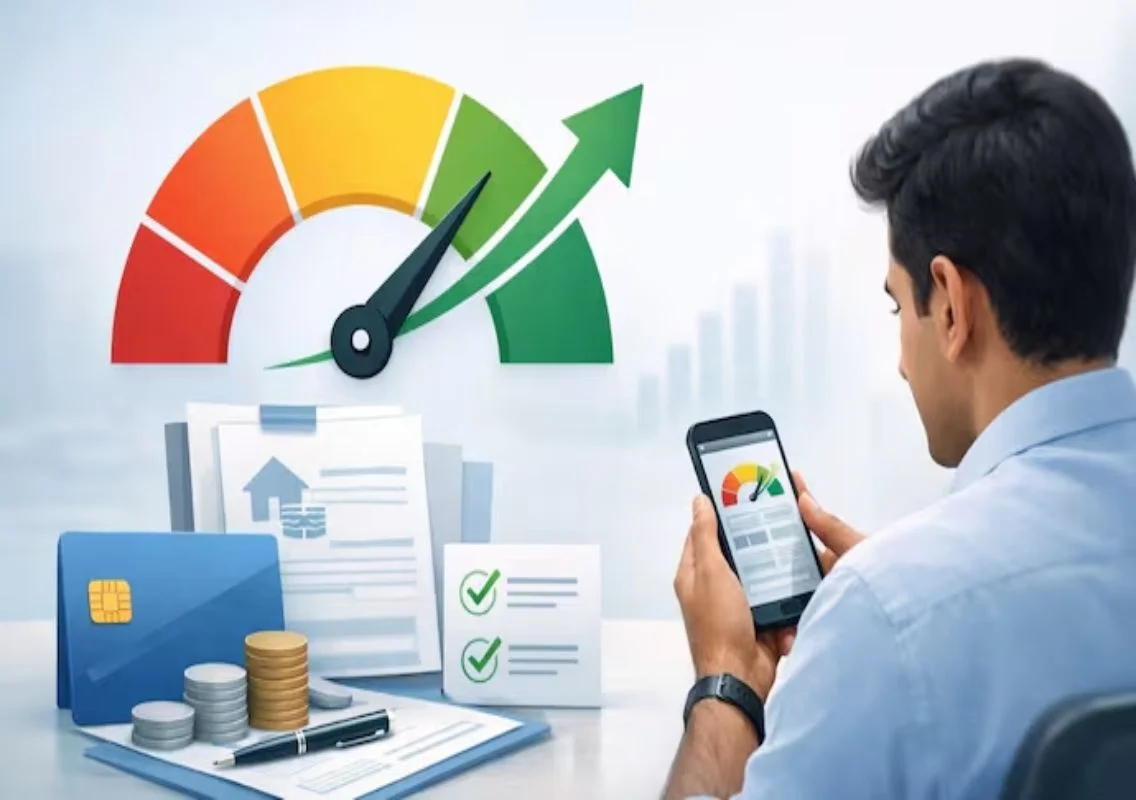


New Delhi: India’s credit system is set for a major shift as the Reserve Bank of India moves towards weekly credit reporting, replacing the older monthly cycle and even the recent fortnightly updates.
By mid-2026, borrowers will see their credit activity reflected far more frequently, fundamentally changing how credit scores behave—and how individuals must manage their finances.
From monthly snapshots to near real-time tracking
For years, India’s credit ecosystem operated on a predictable monthly rhythm—salaries, EMIs, and credit score updates all followed a 30–45 day cycle.
That model is now being replaced by high-frequency reporting, where lenders will submit data to Credit Information Companies multiple times a month—on the 9th, 16th, 23rd, and month-end.
This effectively turns your credit report into a “live financial diary”, constantly reflecting your latest financial behaviour.
What triggered this change
The RBI began tightening norms in January 2025 by mandating fortnightly reporting. The latest move goes a step further, aiming for:
- More accurate data
- Faster updates
- Better risk assessment for lenders
In today’s digital lending environment, relying on month-old data is no longer practical. Real-time decisions need real-time data.
The biggest benefit: faster rewards
For disciplined borrowers, this is a major advantage.
Earlier, if you:
- Cleared a loan
- Paid off a credit card
- Reduced your debt
…you had to wait weeks for your credit score to improve.
Now, improvements will reflect within days. That means:
- Faster loan approvals
- Better interest rates sooner
- Quicker access to pre-approved offers
Even error corrections in your credit report will likely be resolved faster due to frequent updates.
The downside: no room for mistakes
However, the same speed applies to negative behaviour.
With weekly reporting:
- A missed EMI is recorded almost immediately
- High credit card usage impacts your score within days
- Bounced payments quickly hurt your credit profile
There’s no longer a “buffer period” to fix temporary issues before they show up in your report.
In simple terms: financial discipline becomes continuous, not monthly.
What borrowers should start doing now
To adapt to this new system, borrowers need to rethink habits:
- Track EMIs and due dates closely
- Avoid maxing out credit cards
- Maintain a low credit utilisation ratio
- Monitor credit reports regularly
- Act quickly on any discrepancies
Even short-term financial missteps can now affect your borrowing ability almost instantly.
A step towards a stronger credit ecosystem
Credit bureaus like Equifax India are working with lenders to handle faster data flow while maintaining accuracy.
The RBI is also emphasising data quality through stricter standards, ensuring that faster reporting doesn’t lead to incorrect information.
Experts believe this shift could eventually pave the way for daily credit reporting in the future.
Conclusion
The move to weekly credit updates marks a significant transformation in India’s financial system. While it rewards responsible borrowers faster, it also demands greater consistency and awareness.
In 2026, managing your credit score won’t be something you check once a month—it will be something you actively maintain every week.