







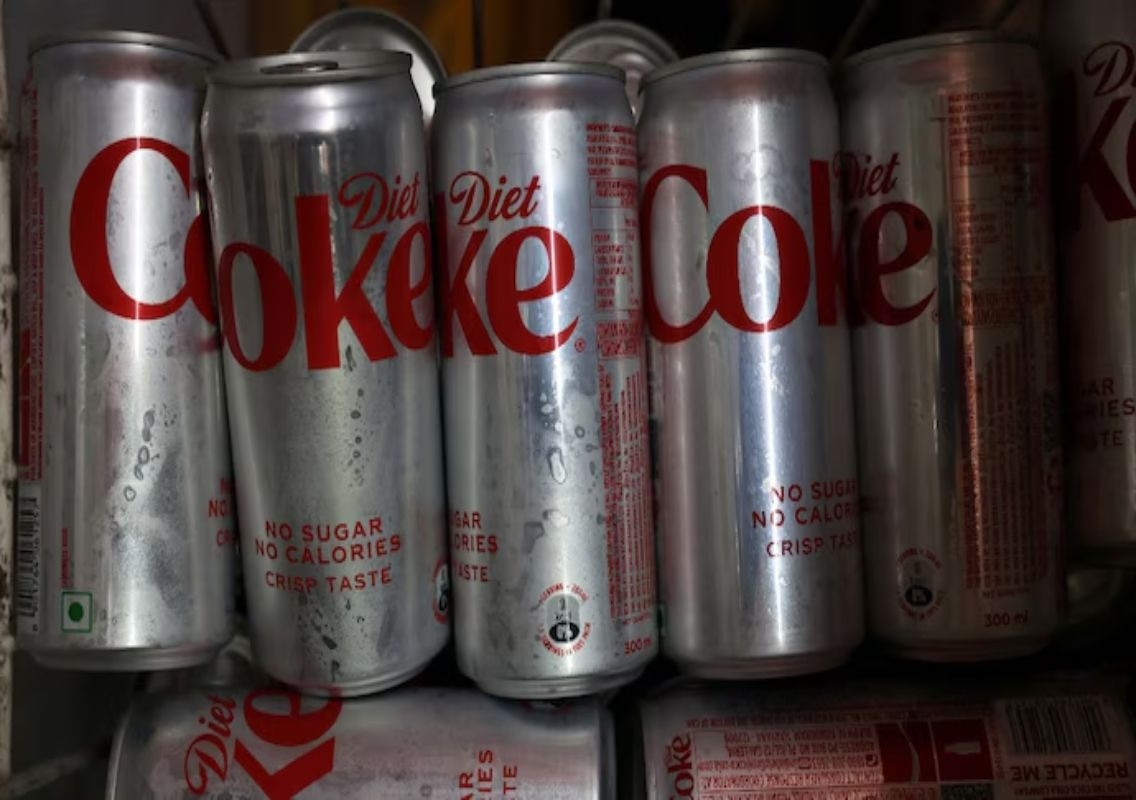


New Delhi: Consumers in India are paying more for Diet Coke as global supply chain disruptions linked to the Middle East conflict have affected the availability of aluminium cans used for packaging the beverage. Coca-Cola has reportedly changed its sourcing strategy and moved towards alternative suppliers, resulting in higher packaging costs that have been passed on to consumers.
The price increase comes at a time when global shipping routes are facing uncertainty due to geopolitical tensions. While Coca-Cola has not officially announced a nationwide price revision, reports indicate that the company has increased the effective price of Diet Coke cans in India by more than 10%.
The impact is particularly visible because Diet Coke in India is largely sold in aluminium cans, making it more vulnerable to packaging shortages compared with other carbonated beverages available in multiple formats.
Middle East conflict affects aluminium can supplies
The shortage of aluminium cans has been linked to disruptions in shipping routes connected to the Middle East. The Strait of Hormuz, one of the world’s most important maritime trade routes, plays a key role in the movement of goods and raw materials between regions.
Ongoing tensions and uncertainty in the region have affected commercial shipping operations, creating challenges for companies dependent on imported packaging materials. Aluminium cans and related materials supplied to India have reportedly faced delays, forcing beverage companies to explore alternative sources.
According to reports, Coca-Cola has started sourcing larger aluminium cans from Southeast Asia after facing difficulties in obtaining regular supplies. This shift has increased costs due to higher procurement and logistics expenses.
The company has not publicly disclosed the details of the supply change, but industry sources indicate that packaging constraints have directly influenced the pricing of Diet Coke.
Bigger cans lead to higher prices
Diet Coke’s pricing change in India is mainly connected to the replacement of its commonly available 300 ml aluminium can.
The 300 ml Diet Coke can, which was previously sold at Rs 40, has become difficult to source due to the shortage. To maintain availability, Coca-Cola has reportedly introduced a larger 330 ml can priced at Rs 50.
Although the quantity has increased, the price per millilitre has also gone up. The shift represents an increase of around 13.6% compared with the earlier packaging format.
Consumers may feel the impact because the price rise is not only due to the product itself but also because of increased packaging and transportation expenses.
Apart from cans, some Coca-Cola bottlers in India have reportedly started offering Diet Coke in 200 ml glass bottles for a limited period. However, these bottles are also priced higher compared with the earlier canned format.
Why Diet Coke is affected more than other beverages
Diet Coke has faced a bigger impact because of its dependence on aluminium cans in the Indian market. Unlike regular Coca-Cola products that are widely available in plastic bottles, glass bottles and cans, Diet Coke has a stronger association with canned packaging.
Other beverages, including Coke Zero, have a wider packaging mix, which has helped them avoid similar levels of disruption.
Most soft drink brands operating in India use multiple packaging options, including polyethylene terephthalate (PET) bottles and glass bottles. This flexibility allows companies to manage supply shortages more effectively.
However, Diet Coke’s limited packaging choices have made it more exposed to the aluminium can shortage.
Supply chain challenges may affect beverage industry
The Diet Coke price increase highlights the wider challenges faced by global beverage companies due to geopolitical disruptions. Packaging materials, transportation costs and international supply routes play an important role in determining final product prices.
India’s beverage market has expanded rapidly in recent years, with increasing demand for carbonated drinks, energy beverages and low-sugar alternatives. Companies are therefore closely monitoring supply chain risks to maintain product availability.
The current situation also underlines the importance of local manufacturing and alternative sourcing strategies. Companies with diversified supply networks may be better positioned to handle global disruptions.
Conclusion
The increase in Diet Coke prices in India is primarily linked to aluminium can shortages caused by international supply chain disruptions. While the company has not officially announced a permanent price hike, changes in packaging and sourcing have resulted in higher costs for consumers.
As geopolitical tensions continue to affect global trade routes, beverage companies may face further pressure on packaging and logistics expenses. For Diet Coke consumers in India, the immediate impact is a higher price for the popular canned beverage, with future pricing likely to depend on how quickly supply chains return to normal.